How to make a Relief PrintQuick View
Rookery68

How to make a Relief Print

(0)
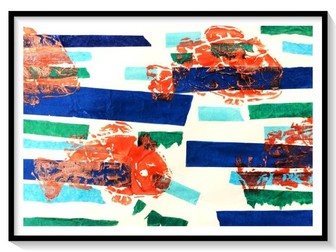
A Learning Sequence unit of 5 lessons teaching pupils about different types of relief printing and how to make a styrofoam tile relief print. Pupil’s are guided step by step through each lesson, learning about types of relief print such as lino printing and woodcut printing. They learn about the artist Elizabeth Catlett, a 20th century American artist and her use of wood cut and lino cut prints to make social commentaries on America. Video and step by step instructions guide pupils in the skill of making a styrofoam tile relief print. Resource pack includes images of woodcut and lino-cut prints, information Elizabeth Catlett and pupil examples of relief printing. This Learning Sequence unit is primarily aimed at KS1 (ages 5 - 7) but can be modified for other age groups.
How to make a Collage inspired by the work of Henri Matisse or Andy GoldsworthyQuick View
Rookery68

How to make a Collage inspired by the work of Henri Matisse or Andy Goldsworthy

(0)
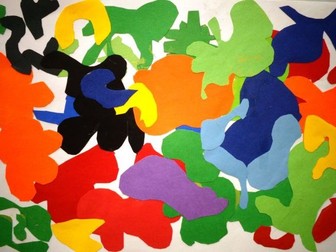
A Learning Sequence unit of 3-5 lessons teaching pupils how to make a collage using paper cut outs inspired by the work of Henri Matisse or using natural materials and objects inspired by the work of Andy Goldsworthy. Pupils are provided for through step by step lessons with knowledge on the 20 century artists Henri Matisse and contemporary British artist Andy Goldsworthy, how to make a paper cut-out collage (Papier collé), and how to collect objects and materials from Nature to make a natural collage. Resource pack includes information on Henri Matisse and Andy Goldsworthy inlcuding videos, image resources of their artwork, scaffold templates for pupils who may need them, and examples of pupils work inspired by Matisse and Goldsworthy. This Learning Sequence unit is primarily aimed at KS1 pupils (ages 5 - 7) but can be modified for other age groups.
How to make a clay coil pot inspired by the Art of Ancient GreeceQuick View
Rookery68

How to make a clay coil pot inspired by the Art of Ancient Greece

(0)
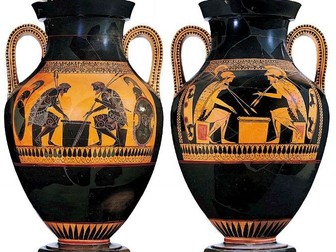
A Learning Sequence unit of 4/5 plans teaching pupils how to make an earthen ware clay coil pot taking inspiration form the art and pottery of Ancient Greece. In step by step lessons pupils are provided with historical context information about life in Ancient Greece and detailed instructions on how to make a clay coil pot and decorate it in the manner of the Ancient Greeks. Resource pack includes historical information on life in Ancient Greece, images of Ancient Greek pottery, instructions on how to handle earthenware clay (red clay) and create a coil pot, accompanying videos and diagrammatic instructions to aid the making of coil pots, and templates for decorating the coil pots, and examples of pupils’ coil pots. This Learning Sequence unit is primarily aimed at KS2 (ages 9 -11) but can be modified for other age groups.
How to make an observational artwork of Nature, inspired by the work of Maria Sibylla MerianQuick View
Rookery68

How to make an observational artwork of Nature, inspired by the work of Maria Sibylla Merian

(0)
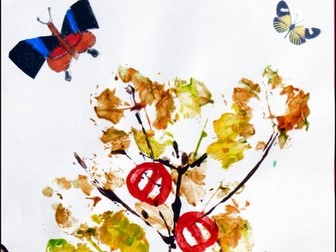
A Learning Sequence unit of 5 lesson plans teaching pupils how to create their own artwork based on observed Nature, taking inspiration from the 18th century German-born naturalist and painter, Maria Sibylla Merian, who revolutionized entomology by illustrating insects and their host plants together, culminating in Metamorphosis Insectorum Surinamensium. Pupils are guided in each lesson with information on Maria Sybilla Merian, and how science and art are blended in her entomological paintings. Pupils are taught how to make detailed observational drawings of single Nature subjects, how ot make simple block prints using natural objects as materials, and how create their own entomological artwork in a fusion of drawing, printing and collage. Included in the Resource pack is a video of the life of Maria Sybilla Merian plus biographical information and videos on how to draw and paint Nature observationally, images of her artworks and other Naturalist artworks, templates of Natural objects as a scaffold for pupils who may need it, and examples of pupils’ work. This Learning sequence is primarily aimed at KS1 pupils (ages 6 - 8) but can be modified for other age groups.
How to make a figure sculpture in the style of GiacomettiQuick View
Rookery68

How to make a figure sculpture in the style of Giacometti

(0)
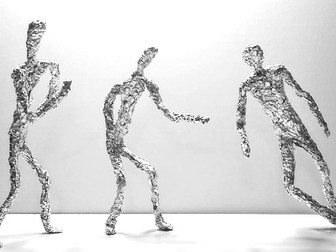
A Learning Sequence unit of 5 lessons teaching pupils how to make a figure sculpture in the style if 20th century Swiss/French artist Alberto Giacometti. Pupils are provided with biographical knowledge on Giacometti and other contextual modern sculpture. Each lesson provides step by step guidance to pupils on how to draw a self-portrait in the style of Giacometti, and create their own figure sculpture using a pipe cleaner armature and crushed and modelled aluminium foil. The Resource pack includes videos on making armatures and modelling with aluminium foil as well as biographical knowledge on Alberto Giacometti, image resources, scaffold templates for drawing, and pupil examples of foil figure sculptures inspired by Giacometti. This Learning Sequence is primarily aimed at pupils aged 6 - 10, but can be modified for other age groups.
How to create an Art MonoprintQuick View
Rookery68

How to create an Art Monoprint

(0)
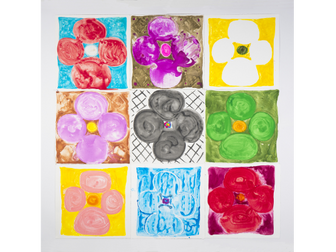
A Learning Sequence unit of 6 lesson plans, teaching pupils how to create their own Monoprint. The unit provides information on the history of Block printing, wood cut printing, and Monoprinting (or ‘Monotype’ printing), presenting examples of art produced using both techniques. Pupils are guided step by step through the process of creating a Monoprint using paints rather than printing ink. Resource pack includes video link, lesson plans, image resources, pupil examples of Monotype printing, and key material resources. This Learning Sequence is primarily aimed at pupils aged 9 - 11, but can be modified for other age groups.
How to create a picture in the Expressionist style of Vincent Van GoghQuick View
Rookery68

How to create a picture in the Expressionist style of Vincent Van Gogh

(0)
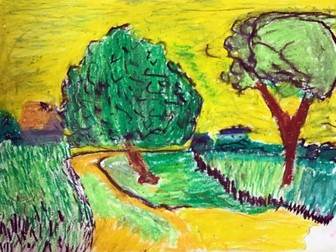
A Learning Sequence unit of 6 lessons plans teaching pupils how to create their own picture in an Expressionist style inspired by the work of Vincent Van Gogh. The plans present step by step knowledge and guidance, explaining what Expressionism is as a style, how Van Gogh was instrumental in developing this style, and providing a framework within which pupils can explore creating pictures using the medium of oil pastel. Resource pack includes information on Vincent Van Gogh and early Expressionism, image resources, templates of subjects as scaffolds for pupils who may need them, a history timeline and examples of pupils’ work using oil pastels and creating their own Expressionist style pictures. The Learning Sequence is primarily aimed at pupils between the ages of 7 and 10, but it can be modified.
How to make an abstract sculpture in clay inspired by  Barbara HepworthQuick View
Rookery68

How to make an abstract sculpture in clay inspired by Barbara Hepworth

(0)
A learning sequence unit of 6 plans teaching pupils how to create geometric abstract compositions and make an abstract sculpture using clay, inspired by the work of 20th century British artist, Barbara Hepworth. Pupils are given step by step guidance, learning about Barbara Hepworth’s artistic contribution to Modern Art, and how to create their own abstract shape compositions and designs, and how to model and cut clay to create an abstract sculpture. Resource pack includes plans, images, biographical information on Barbara Hepworth, geomtric shape templates for scaffold tools, and teacher and pupil examples of abstract sculptures in clay based on the learning sequence. This learning sequence is aimed primarily at KS1 (ages 5 - 7) but can be modified for other age groups.
How to create depth in s still-life watercolour paintingQuick View
Rookery68

How to create depth in s still-life watercolour painting

(0)
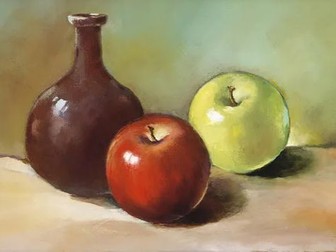
A learning sequence of 6-7 lesson plans teaching pupils how to paint a still-life using watercolour paints and create a sense of depth using a variety of watercolour and drawing techniques. Each lesson provides a step by step learning sequence, teaching pupils how to draw and paint a still-life subject using specific watercolour painting techniques such as ‘wash’ ‘scumble’ and layering colours on top of each other to create spatial depth and colour resonance. Also drawing techniques such as shading, cross-hatching and line detail are taught to develop the skills of basic watercolour painting techniques. Resources and lessons provide historical context and biographical information on the work of Johannes Vermeer, 17th century Dutch artist who was a master of creating the spatial depth in his paintings. Also modern watercolour artists are cited such as Giorgio Morandi and David Moignard as examples of wartercolour mastery. Resources packs include video links, information cards, timeline cards, and pupil examples to provide scaffolds for pupils who may need them. Lesson sequence is primarily for KS2 pupils (ages 8 - 11) but can be modified for other age groups.
How to paint abstract self-portrait inspired by the work of Paul KleeQuick View
Rookery68

How to paint abstract self-portrait inspired by the work of Paul Klee

(0)
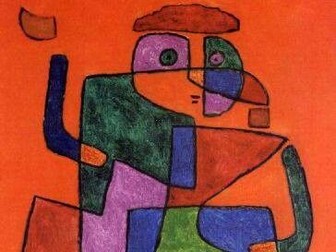
A learning sequence of 5 lesson plans teaching pupils how to paint their own abstracted self-portrait from the inspirational work of early 20th century European artist Paul Klee. Each lesson provides a step by step learning sequence, teaching pupils how to draw and paint using geometric shapes as a framework for making an abstracted self-portrait. Resources and lessons provide historical context and biographical information on Paul Klee and his contribution to European Modern Art, and why his painting style is important in understanding how colour and shape can express feeling independently of figurative representation. Resources packs include video links, information cards, timeline cards, and sample abstract grids/templates to provide scaffolds for pupils who may need them. Lesson sequence is primarily for KS1 pupils (ages 6 - 8) but can be modified for other age groups.
How to draw an abject in 3D using tonal light and shadowQuick View
Rookery68

How to draw an abject in 3D using tonal light and shadow

(0)
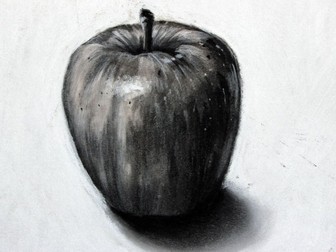
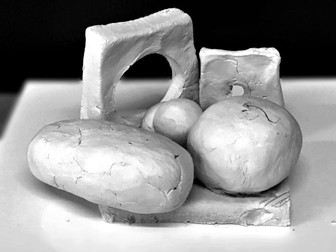
A learning sequence of 5 lesson plans teaching pupils how to draw an object in 3 D using tonal effects of light and shadow. Each lesson provides a step by step learning sequence, teaching pupils how to draw an object from a line drawing through to using a variety of drawing techniques to give the 3D effect of the play of light and shadow over an object. Resources and lessons provide a historical context and focus on the work of 20th century illusory artist M.C. Escher as an example of draughtsmanship mastery for the creation of 3D illusions of objects in a spatial setting. Resources packs include video links, information cards, timeline cards, and sample abstract grids/templates to provide scaffolds for pupils who may need them. Lesson sequence is primarily for pupils ages 8 - 10, but can be modified for other age groups.