

 Quick View
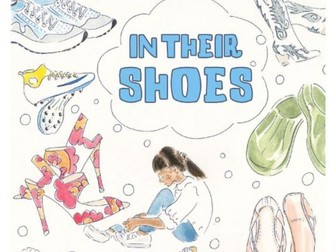
In Their Shoes-PSHE Empathy & Identity KS1 KS2
Inspire empathy, celebrate diversity, and explore unique perspectives with this ready-to-teach PSHE lesson bundle based on Nindy Dhaliwal’s picture book, In Their Shoes. Designed for primary teachers across EYFS, KS1, and KS2 (Ages 3–11), this comprehensive resource helps students understand what it truly means to “walk in someone else’s shoes” before making assumptions.
Whether you are teaching basic emotion recognition in Early Years or tackling complex social perspectives, stereotyping, and anti-bullying in Key Stage 2, this bundle provides everything you need for an engaging, curriculum-aligned lesson.
What’s Included:
Complete Differentiated Lesson Plan (PDF): Step-by-step timed outline covering starter activities, shared reading prompts, main tasks, and circle-time plenary reflections.
Key Stage Differentiation Grid: Clear guidance on adapting discussion points and tasks for EYFS, KS1, and KS2 classrooms.
3 Differentiated Student Worksheets:
Worksheet 1 (EYFS/Lower KS1): Creative drawing and early writing activity exploring different shoes and feelings.
Worksheet 2 (KS1/Lower KS2): Empathy scenario prompt focused on kindness, inclusion, and standing up for others.
Worksheet 3 (KS2): “Personal Footprint” identity map for writing extended reflections on personal values, strengths, and future aspirations.
Curriculum Alignment (UK National Curriculum PSHE):
Relationships: Respecting differences, understanding empathy, and challenging stereotypes.
Living in the Wider World: Recognizing diverse roles in society, community values, and inclusion.
Why Teachers Love It:
Zero Prep Required: Print-and-go worksheets paired with a structured, step-by-step guide.
Fully Inclusive: Thoughtfully scaffolded activities ensure every learner from Nursery to Year 6 can access the core themes.
Versatile Use: Ideal for whole-class PSHE lessons, Anti-Bullying Week, Empathy Day, or circle-time discussions.
