Inclusion Poster for ChildrenQuick View
childrenforhealth_marketing

Inclusion Poster for Children

(0)
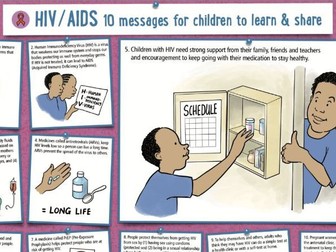
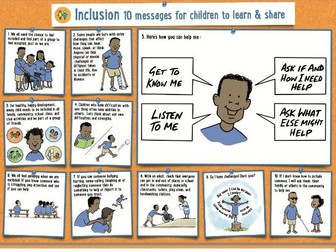
Who is the poster for? Educators, parents, and children aged 10–14. Where might it be used? Schools Homes Health clinics Children’s clubs Religious groups Is it enough for children to learn the messages? No, the messages are designed as doorways for discussion and action. They are for children to understand and use, not just to memorize. Why are the faces of the people on the poster multi-ethnic? Children for Health has a global audience, so the posters reflect diversity. How do I use the messages? Be creative! Focus on one topic for a week, month, or term. Why are two pictures bigger than the others? These are the key messages for this poster. Can I add to, change, adapt, translate, or simplify the messages? Yes! But ensure accuracy by checking with experts before making changes. Are there other important messages you have not mentioned? Yes, feel free to add other short and simple messages to suit your program. Why do some of the words and concepts seem too hard for children? Children enjoy learning new words and ideas. Take time to explain terms like inclusion and rehabilitation. What is the Rainbow Stick? When a child learns and shares a health message, they return with a story about sharing it. A teacher (or another adult) rewards them with colored ribbons or fabric strips to tie to their ‘Rainbow Stick.’ Learn more here: Rainbow Stick. More Information on Inclusion for Educators Specialist Support: Many countries offer Community-Based Rehabilitation (CBR) services for children with disabilities like those affecting eyesight, hearing, or movement. Children can help identify families who may not know about CBR or who feel isolated. 2. Addressing Exclusion: The greatest challenge is exclusion—when children do not attend school or feel uncared for by peers and adults. Bullying often stems from seeing others as different. 3. The Role of Education and Parenting: With sensitive teaching, awareness-raising, and good parenting, children with challenges can thrive. Inclusive classrooms benefit all children by fostering understanding and friendships. 4. Combating False Beliefs: Some people hold false beliefs about the causes of disabilities, often blaming mothers. Harmful local ‘cures’ can worsen conditions. Educators must challenge these misconceptions. 5. Encouraging Inclusion: Empower children to help by: Getting to know their peers. Asking if help is needed. Listening. Asking what else might assist. Create lists of ways children can support one another, display them on classroom walls, and promote daily inclusion. 6. Inspirational Stories: Share role models and resources like A Mazing Treasures, a storybook about inclusive classrooms. Key Message to Remember “Here’s how you can help me:” Get to know me. Ask if and how I need help. Listen to me. Ask what else might help.
Diabetes Poster for ChildrenQuick View
childrenforhealth_marketing

Diabetes Poster for Children

(0)
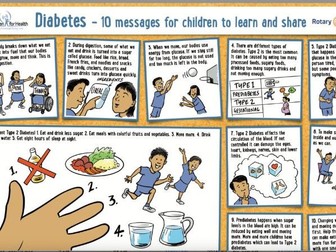
Who is the poster for? Educators, parents, and children aged 10–14. 2. Where might it be used? Schools Homes Health clinics Children’s clubs Religious groups 3. Is it enough for children to learn the messages? No, the messages are designed as doorways for discussion and action. Children are encouraged to understand and use the messages, not just memorize them. 4. How do I use the messages? Be creative! Focus on one topic for a week, a month, or a term. 5. Why is one picture bigger than the others? It highlights the Children for Health key message. 6. Can I add to, change, adapt, translate, or simplify the messages? Yes! But always check with experts to ensure accuracy. 7. Are there other important messages you have not mentioned? The poster contains short and simple messages, but you can add others to fit your program. 8. Some of the words and concepts are too hard for children. Children enjoy learning new words and ideas. Take time to explain lifelong concepts like digestion, insulin, glucose, and nerves. More Information on Diabetes for Educators What is Insulin? Insulin is a chemical made by the pancreas. It helps move glucose from the blood into cells, where glucose is converted into energy. Types of Diabetes Type 1 Diabetes Caused by the immune system attacking insulin-producing cells in the pancreas. Common in children and young people. Requires regular blood sugar checks and insulin to function well. 2. Type 2 Diabetes The most common type of diabetes. The pancreas produces insulin, but the body resists it (“insulin resistance”). More children and young people are getting it due to lifestyle changes. Can often be prevented or delayed by: Eating healthy meals Preventing excessive weight gain Staying active Risk factors include stress, poor diet, environmental chemicals, and family history. 3. Prediabetes The pancreas works overtime to produce insulin, keeping blood sugar in the normal range. Over time, the pancreas may struggle to keep up, leading to higher blood sugar levels. Symptoms may include tiredness or no visible signs, but blood sugar tests can help detect and prevent Type 2 Diabetes. 4. Gestational Diabetes High blood sugar during pregnancy. Usually disappears after childbirth but increases the risk of developing Type 2 Diabetes later. Regular checks are recommended post-pregnancy.
HIV & AIDS PosterQuick View
childrenforhealth_marketing

HIV & AIDS Poster

(0)
Who is the poster for? Educators of many kinds, parents, and children aged 10–14. 2. Where might it be used? Schools Homes Health clinics Children’s clubs Religious groups 3. Is it enough for children to learn the messages? No, the messages are designed as doorways to discussion and action. Children are encouraged to understand and use the messages, not just memorize them. 4. Why are the faces of the people on the poster multi-ethnic? Children for Health has a global audience, so the poster reflects diversity. 5. How do I use the messages? Be creative! Focus on one topic for a week, a month, or a term. 6. What is the Rainbow Stick? When a child learns and shares a message, they return with a story about sharing it. A teacher or adult rewards the child with a strip of colored fabric to tie to their stick. The goal is to collect 100 ribbons by learning and sharing 100 health messages before leaving primary school. 7. Why is one picture bigger than the others? It highlights the Children for Health key message. 8. Can I add to, change, adapt, translate, or simplify the messages? Yes! But always check with experts to ensure the accuracy of any revised or new messages. 9. Are there other important messages you have not mentioned? The poster contains short and simple messages, but you can add others in your program. 10. Some of the words and concepts are too hard for children. Children enjoy learning new words and ideas. Take time to ensure they understand important terms like: PrEP ARVs (Anti-Retroviral Treatment) ART (Anti-Retroviral Therapy) VMMC (Voluntary Medical Male Circumcision) Germs