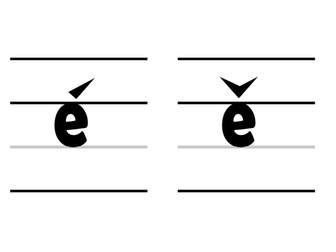
This comprehensive set of Pinyin Flashcards is designed to help children master the fundamentals of Chinese phonetics. Each card features clear and colorful illustrations paired with Pinyin and Chinese characters, making learning fun and engaging. Perfect for classroom use, homeschooling, or independent study. Includes all essential Pinyin sounds and tones. Boost your child’s Chinese language skills with these interactive and educational cards.
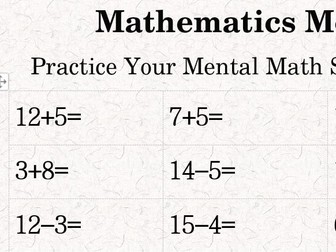
This engaging Mathematics Mental Arithmetic Contest worksheet features a variety of addition and subtraction problems designed to enhance kids’ mental math skills. It includes easy, medium, and hard levels, perfect for different ages. Ideal for classroom activities, homeschooling, or daily practice. No calculators needed! Boost your child’s confidence and math proficiency with this fun resource.
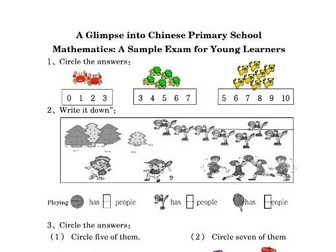
Hello, everyone! Today, I’d like to share with you a sample mathematics exam from China, specifically designed for primary school students. Mathematics education in China places a strong emphasis on building a solid foundation in basic arithmetic, problem-solving skills, and logical thinking from a young age. This exam is a great example of how Chinese educators approach math for young learners.
The questions in this exam cover a variety of fundamental topics, such as addition, subtraction, basic geometry, and simple word problems. They are carefully crafted to be both challenging and engaging, encouraging students to think critically and apply their knowledge in different contexts. Through these exercises, students not only improve their mathematical abilities but also develop perseverance and a love for learning.
Feel free to take a look and see how Chinese primary school students are introduced to the fascinating world of mathematics. If you have any questions or thoughts, please share them in the comments below.
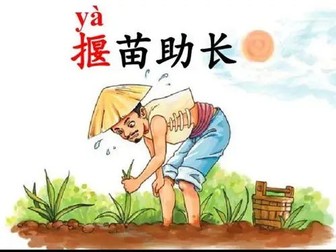
This idiom originates from a story in which a farmer, eager to see his seedlings grow quickly, pulls them up by their roots, thinking it will help them grow faster. However, this action ends up damaging the plants and preventing them from growing properly. The idiom is used to describe the act of being overly eager to see results and thereby causing harm or failure.