 Quick View
Deforestation in Myanmar – Complete Lesson Series (KS3/KS4 Geography & Environmental Studies)
Deforestation in Myanmar – Complete Lesson Series (KS3/KS4 Geography & Environmental Studies)
Description:
This comprehensive and engaging resource explores the topic of deforestation in Myanmar through five detailed, student-centred lessons. Designed for KS3/KS4 learners (ages 11–16), the unit combines scientific, cultural, ecological, and socio-economic perspectives to deepen understanding of environmental issues.
Included Lessons:
The Importance of Myanmar’s Forests – Students explore the ecological significance of forests and observe biodiversity in local trees.
Benefits of Forests in Myanmar – Learners understand the economic, cultural, and personal value of forests and develop persuasive campaigns to protect them.
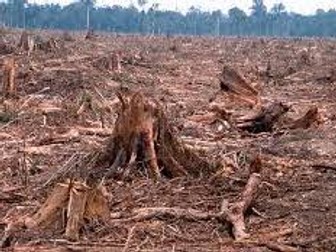
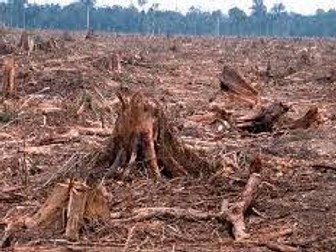
Causes of Deforestation – Focuses on human and natural drivers of forest loss, including illegal logging, mining, agriculture, and urban expansion.
Slash and Burn Farming – Investigates shifting cultivation in Myanmar and its environmental impacts, with practical alternatives and hands-on soil analysis.
Consequences of Deforestation – Encourages systems thinking through real-world impacts like climate change, biodiversity loss, flooding, and soil erosion.
Features:
• Clear learning objectives and outcomes for each lesson
• Detailed facilitator background notes and key vocabulary
• Interactive student activities, group discussions, case studies, and practical observations
• Differentiated tasks, independent work, and engaging homework assignments
• PPT slide prompts, printable worksheets, and project ideas
• PPT Slides to accompany lessons
Perfect for:
• Geography, Environmental Studies, or Global Citizenship
• Supplementing sustainability units or Earth Day lessons
• Teaching about ecosystems, biodiversity, climate change, and traditional knowledge systems
Format:
Microsoft Word document – easily adaptable for your classroom needs.
PPT Slides
Note: This resource pairs well with outdoor learning and cross-curricular projects in science, literacy, and art.