Tree of AI Education
Full description:
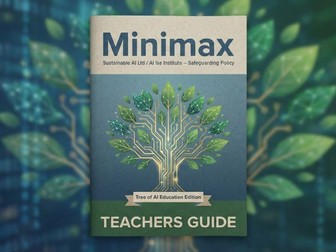
The Tree of AI Education E Text Book is a comprehensive digital learning resource created to support children, young people and adults as they develop essential skills in artificial intelligence, robotics, computing and ethical digital practice. It provides clear explanations, step‑by‑step guidance, real‑world examples and structured learning pathways that match the curriculum of the Tree of AI Education Learning Hub.
The textbook covers core topics including the foundations of AI, machine learning concepts, robotics principles, coding basics, digital citizenship, online safety and the ethical responsibilities of using modern technology. It is written in accessible language to ensure learners of all abilities can engage confidently.
This resource is designed for use in classrooms, community sessions and independent study. It supports teachers, AI educators and learners by offering a consistent, safeguarding‑first approach to digital education. The E Text Book forms part of the wider Tree of AI Education ecosystem, helping to build digital confidence, creativity and future‑ready skills across the community.
A comprehensive safeguarding policy for Minimax Sustainable AI and Al‑I Institute, outlining standards, procedures and responsibilities to protect all learners.
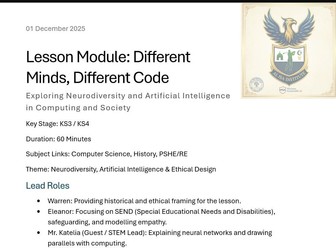
Exploring Neurodiversity and Artificial Intelligence in Computing and Society
Key Stage: KS3 / KS4
Duration: 60 Minutes
Subject Links: Computer Science, History, PSHE/RE
Theme: Neurodiversity, Artificial Intelligence & Ethical Design
Lead Roles
• Warren: Providing historical and ethical framing for the lesson.
• Eleanor: Focusing on SEND (Special Educational Needs and Disabilities), safeguarding, and modelling empathy.
• Mr. Katelia (Guest / STEM Lead): Explaining neural networks and drawing parallels with computing.
Learning Objectives
By the end of the lesson, students will be able to:
• Explain one similarity between a biological neuron and an artificial neural network node.
• Describe how Alan Turing’s way of thinking contributed to the Enigma breakthrough.
• Recognise that human differences (neurodiversity) are strengths, not errors.
• Reflect on how environments can either support or overwhelm learning.
Original Resource Listing - A-II
The Tree of AI Educators Institutional Edition
The Tree of AI Educators Institutional Edition is a one year licensed resource for schools, academies and educational institutions. It includes modular enrollment packs, compliance ready agreements and safeguarding first governance shaped by lived experience. Every module reflects resilience, emotional intelligence and statutory alignment, ensuring institutions can trust both the framework and the story behind it.
Distributed via tes.com , this edition supports KS3 and KS4 computing frameworks, reliable AI resources and emotional governance training. It is designed for scalability, trustee oversight and founder only stewardship, anchoring legacy governance and milestone logging.
Institutions adopting this edition gain a compliance ready AI education framework shaped by lived experience and safeguarding first innovation. The framework includes the Tier 3 Affect Shield safeguarding layer, which is currently pending independent testing and validation.
Watch the launch video A Calling: YouTube
Learn more: (https://alisainstitute.co.uk)
Bonus: Twelve months full access to the Al Isa Institute Digital Sanctuary, the first of its kind with Tier 3 Affect Shield, valued at twelve thousand pounds per annum for institutions.
The Al-Isa Institute: A Strategic Analysis of the Tree of AI Educators and the Tier 3 Affect Shield™ Framework
I. Executive Summary
The emergence of the Al-Isa Institute represents a paradigmatic shift in the development, deployment, and governance of artificial intelligence within the K-12 educational sector. Based in Hull, East Yorkshire, the Institute has positioned itself not merely as an educational technology provider but as a “Digital Sanctuary,” explicitly rejecting the dominant Silicon Valley model of rapid scaling and venture capital reliance in favor of a “founder-led,” “safeguarding-first” ethos. This report provides an exhaustive analysis of the Institute’s proprietary framework, the “Tree of AI Educators,” and its central security architecture, the “Tier 3 Affect Shield™.”
The Al-Isa Institute claims a unique status as the United Kingdom’s first AI-led education platform built and governed solely by its founder, Muzzammil Katelia. Its operational model is characterized by a “locked” governance structure where all algorithmic behavior, emotional logic, and pedagogical output are subject to a “founder-only override,” ostensibly creating an immutable “legacy” of safety and ethical alignment. This approach is marketed as the “safest in the world,” a claim predicated on the integration of statutory UK safeguarding thresholds—specifically “Tier 3” social care definitions—into the AI’s decision-making logic.
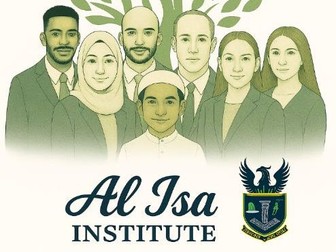
Unlike generalized Large Language Models (LLMs) which strive for neutrality, the Al-Isa Institute’s “Tree of AI Educators” is intentionally opinionated, regionally accented, and faith-aware. It comprises a constellation of seven distinct personas—Mr. Katelia, Ben, Kayden, Eleanor, Warren, Ayah, and Chloe—each serving a specific pedagogical and pastoral function within a metaphoric “tree” structure. These personas are designed to simulate “emotional depth” and “ethical logic,” bridging the gap between automated instruction and human-like pastoral care.
This report dissects the technical, pedagogical, and ethical dimensions of the Al-Isa Institute. It examines the “Tier 3 Affect Shield” against the backdrop of UK statutory guidance for children with complex needs, analyzes the commercial-charitable hybrid structure involving Minimax Sustainable AI Ltd, and evaluates the implications of a “faith-aware” AI system that incorporates Islamic and Christian studies alongside STEM curriculum. The analysis suggests that the Al-Isa Institute is attempting to create a new category of “Soulful AI,” prioritizing psychological safety, regional identity, and interfaith cohesion over raw computational speed or commercial ubiquity.
Al Isa Institute – World’s First Digital Sanctuary for AI Education
Al Isa Institute, based in Hull, has developed the world’s first AI education framework built on Emotional Governance and Faith‑Aware Safeguarding. Our strict behaviour management system integrates statutory guidance with the Tier 3 Affect Shield, recognised nationally as the UK’s safest safeguarding model.
Unlike conventional EdTech, our Digital Sanctuary prioritises psychological safety and trauma‑informed pedagogy. Learners are supported by safeguarding‑first AI educators with distinct emotional and spiritual boundaries, ensuring dignity, inclusion, and resilience.
This pioneering framework establishes a new category in education technology: Soulful AI for schools, where safeguarding and emotional intelligence are the foundation of learning.
AI Ethics, Democracy & Respect for the Law – KS3/KS4 Computing & Citizenship Lesson Plan
Explore the ethical impact of artificial intelligence on democracy and UK law with this fully Ofsted-aligned KS3/KS4 lesson plan. Designed by Al Isa Institute, this resource blends computing, citizenship, and British Values through engaging activities, case studies, and collaborative tasks. Students analyze algorithmic bias, apply civic principles, and create ethical AI frameworks using real-world scenarios.
Includes:
Full lesson plan with starter, main, and plenary activities
Vocabulary sheets and printable case studies
Differentiation strategies for SEND, EAL, and gifted learners
Assessment tools: quizzes, exit tickets, peer/self-evaluation
Safeguarding and Prevent Duty guidance
Mapped to Ofsted’s November 2025 Education Inspection Framework
Perfect for cross-curricular teaching, ethical debate, and digital citizenship development.
Licence: CC BY-NC-SA 4.0
Author: Al Isa Institute (Founder: Muzzammil Katelia)
Source: https://alisainstitute.co.uk
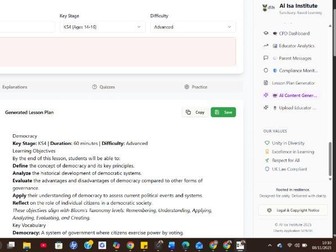
Democracy Lesson Plan Overview
Target Audience:
Duration: x minutes
Difficulty Level: Advanced
Learning Objectives
Students will:
Define democracy and its principles
Analyze its historical development
Evaluate its strengths and weaknesses
Apply concepts to current events
Reflect on their role as citizens
This ensures deep cognitive engagement across multiple levels of understanding.


 Quick View