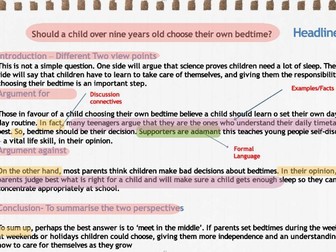
This resource is designed to help Cambridge Primary English learners develop their balanced argument writing skills. It provides clear guidance on how to structure a balanced argument, present viewpoints fairly, develop ideas with explanations and examples, and reach a well-supported conclusion.
The resource includes a step-by-step writing structure, useful argumentative vocabulary and sentence starters, a Cambridge-style writing task, and guidance on the key skills students need to demonstrate. It is suitable for classroom teaching, guided practice, homework, revision, and independent writing.
Students will learn how to move beyond simply listing ideas and instead develop each argument clearly and logically. The resource also supports students in improving their organisation, vocabulary, grammar, punctuation, and awareness of audience and purpose.
Cambridge Primary Checkpoint (Year 6) English: Fiction Writing Genres Guide
Resource Description:
Are your Year 6 students struggling to differentiate between fiction genres or lacking the vocabulary to bring their creative writing to life?
This comprehensive, student-friendly guide is specifically tailored to the Cambridge Primary Checkpoint English (Stage 6) curriculum. It breaks down the essential features of major fiction genres, equipping students with the knowledge and language tools they need to excel in their creative writing exams.
What’s Included in this Download:
Detailed Genre Breakdowns: Clear and accessible overviews of six key genres: Science Fiction (Sci-Fi), Fantasy, Mystery & Suspense, and Horror.
Core Conventions: For each genre, students are provided with the typical settings, character archetypes, and plot expectations.
Language Features & Vocabulary: Targeted lists of specific language features (e.g., action verbs, sensory details, technical jargon, archaic vocabulary) to help students capture the correct tone and atmosphere for their chosen genre.
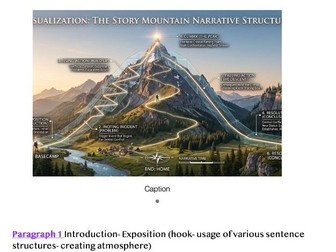
Exam Focus: Key reminders on Checkpoint writing expectations, including using the “Story Mountain” structure, paragraphing, and the “Show, Don’t Tell” technique.
Why this resource?
Boosts Creative Writing Scores: Helps students hit the specific criteria for narrative writing in the Checkpoint exams by giving them a structured understanding of genre expectations.
Saves Planning Time: A ready-to-use guide that can be printed as a student reference booklet, used for classroom displays, or integrated directly into your creative writing unit.
Highly Versatile: Perfect for introductory lessons on genre, independent writing reference, or pre-exam revision.
Equip your Stage 6 students with the imagination and structural knowledge they need to craft high-level, genre-specific stories!
This comprehensive study resource is purposefully designed to help IGCSE Edexcel English students master two of the most complex non-fiction texts in the anthology: George Alagiah’s A Passage to Africa and Kari Herbert’s The Explorer’s Daughter.
Equipped with in-depth analytical notes and a high-level model response, this material provides students with the exact tools they need to tackle Paper 1 with confidence and secure top marks. Perfect for classroom instruction, guided revision sessions, or independent study.
What’s Included Inside:
Comprehensive Textual Notes:
A Passage to Africa: A deep dive into Alagiah’s journalistic recount, exploring key themes of poverty, media responsibility, desensitization, and human connection.
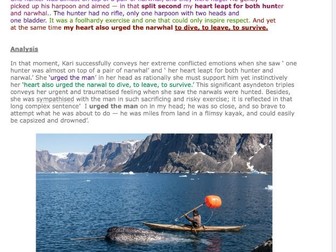
The Explorer’s Daughter: A thorough breakdown of Herbert’s autobiographical text, analyzing the tension between the ethical dilemma of hunting and the survival needs of the Inughuit people.
Context & Purpose: Clear explanations of the background, target audience, and authorial intent for both pieces.
Language & Structure Breakdown (AO2):
Curated lists of crucial quotations for each text.
Detailed analysis of literary devices, sentence structures, and tonal shifts, showing exactly how the writers achieve their effects.
Expert Q4 Model Answer:
A full, top-tier exemplar response for Question 4 (evaluating how the writer uses language and structure).
The model answer demonstrates excellent paragraph structuring, precise integration of evidence, and advanced terminology, serving as a perfect benchmark for student success.
Why Use This Resource?
Instead of overwhelming students with dense text, these notes are streamlined and exam-focused. The inclusion of a Q4 model answer takes the guesswork out of exam preparation, clearly illustrating the depth of analysis and structural cohesion required by Edexcel examiners for high-scoring bands.
Are you looking for a clear, high-level way to teach the intense pacing and complex structural features of Aron Ralston’s Between a Rock and a Hard Place (127 Hours)?
This comprehensive, exam-focused resource is specifically designed for the IGCSE Edexcel English Language A anthology. It provides students and teachers with an in-depth breakdown of how Ralston builds tension, shifting from expert confidence to sudden, absolute peril. It is the perfect tool for classroom teaching, guided revision, or independent student study.
What’s Included in this Download:
Comprehensive Textual Notes: A detailed breakdown of the text, exploring key themes such as survival, isolation, expertise vs. nature, and the psychological impact of trauma.
Language & Structure Analysis (AO2): Carefully selected, high-yield quotations paired with thorough explanations of Ralston’s literary devices. It covers his use of technical climbing jargon, active verbs, time markers, and the structural shift from controlled pacing to sudden chaos.
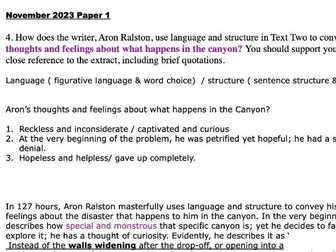
Top-Band Model Answer: A full, exemplar exam-style response (perfect for Question 4 - evaluating how the writer uses language and structure to create tension). This serves as a perfect benchmark to show students exactly how to structure their paragraphs, integrate precise evidence, and use advanced terminology to hit the top marking bands.
Why this resource?
Saves Planning Time: Ready-to-use, detailed analysis that drastically cuts down your lesson prep time.
Drives Attainment: Takes the guesswork out of the exam by providing a clear standard of excellence for students to emulate when writing about tension and structure.
Highly Versatile: Ideal for first-time teaching of the text, focused exam-prep lessons, homework tasks, or high-quality cover work.
This resource is designed to support Cambridge Primary English Checkpoint students in developing strong newspaper report writing skills.
It provides a clear and structured approach to help students understand:
The purpose and features of a newspaper report
How to write an effective headline and introduction using the 5 W’s
How to organise information into clear paragraphs
How to use formal language and reported speech appropriately
The resource includes:
Step-by-step guidance
Model examples at Checkpoint level
Key vocabulary and sentence starters
Writing tips and a student-friendly checklist
This material is ideal for classroom teaching, revision lessons and exam preparation, and can be easily adapted for different ability levels


 Quick View