Emotion SynonymsQuick View
keantolearn

Emotion Synonyms

(0)
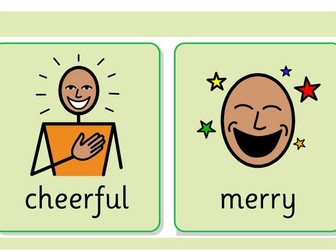
Help children and young people develop a richer emotional vocabulary with Emotion Synonym cards. This visual resource introduces a range of words with similar or related meanings, helping learners move beyond basic emotion labels and find more specific ways to describe how they feel. The emotions are colour coded to match, making it easier for learners to identify related feelings, recognise patterns and understand how different emotion words connect. How to Use Use the resource to: Introduce and explore new emotion vocabulary. Help learners find alternative words to describe how they feel. Identify emotions that are similar or closely related. Discuss the differences between emotions and their levels of intensity. Support emotional check-ins and wellbeing activities. Encourage learners to use new vocabulary when talking or writing about feelings. Provide a visual reference during individual, small-group or whole-class work. The colour coding can be used as an additional visual prompt, helping learners quickly group and connect emotions with similar meanings. What’s Included A collection of emotion words and related synonyms. Clear Widgit symbols alongside the vocabulary. Colour-coded emotions to show related words and groups. A visual format designed to support accessibility and understanding. Flexible resources suitable for classroom, wellbeing and one-to-one activities. Printable materials for repeated use. This resource is ideal for developing emotional literacy, communication and self-expression, giving learners the vocabulary they need to explain their feelings with greater confidence and accuracy.
Paul Klee Self-Portrait Art Lesson – Colour, Line & ShapeQuick View
keantolearn

Paul Klee Self-Portrait Art Lesson – Colour, Line & Shape

(0)
Take your pupils on a creative journey into the world of Paul Klee with this engaging art lesson exploring colour, line, shape, tone, texture and portraiture. Learning Objectives By the end of the lesson/unit, pupils will be able to: Develop an understanding of the artist Paul Klee and his artistic style. Identify and discuss key features of Klee’s artwork. Explore how artists can use colour, line and shape to communicate ideas. Understand and experiment with the colour wheel, tones and contrasting colours. Explore texture and pattern as elements of art. Look closely at and respond to Head of Man (Senecio). Develop ideas through observation, experimentation and discussion. Create an original self-portrait inspired by the visual language of Paul Klee. Make creative choices about colour, shape, line, pattern and texture. What’s Included? This resource includes a ready-to-teach PowerPoint presentation containing: Paul Klee background and artist information. Visual examples of Klee’s artwork. Detailed exploration of his signature artistic characteristics. Colour theory activities. Colour wheel exploration. Tones and contrasting colours. Texture and pattern exploration. Artwork analysis of Head of Man (Senecio). Examples of children’s interpretations. Step-by-step self-portrait instructions. Discussion and reflection opportunities. How to Use This Resource This PowerPoint can be used as a stand-alone art lesson or as part of a longer art unit on artists, portraiture or colour theory. Begin by introducing pupils to Paul Klee and discussing his life and artwork. Encourage pupils to look carefully at examples of his work and identify the colours, shapes, lines, patterns and textures they can see. Move on to the practical exploration activities, allowing pupils to investigate the colour wheel, tones, contrasting colours and texture. This gives them the vocabulary and understanding they need before creating their final piece. Use Head of Man (Senecio) as a key artwork for observation and discussion. Encourage pupils to consider how Klee has simplified the human face and how his use of colour and geometric shapes changes the way we see the portrait. Finally, pupils follow the step-by-step instructions to design and create their own Klee-inspired self-portrait. They can experiment with facial shapes, expressive lines, contrasting colours, patterns and textures to produce an individual final piece. The emphasis is on inspiration rather than copying, allowing every pupil to make their own creative decisions while responding to Klee’s artistic ideas.
Invention  Activity – How Inventions Help Us Communicate, Travel & LearnQuick View
keantolearn

Invention Activity – How Inventions Help Us Communicate, Travel & Learn

(0)
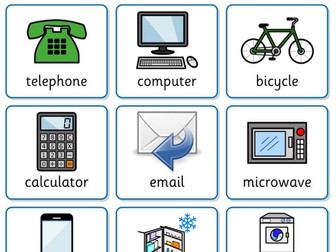
Learning Objectives This differentiated activity helps children identify everyday inventions and understand how inventions have changed the way we communicate, travel and learn at school. Children will: Identify different inventions and what they are used for. Sort inventions into the correct category. Develop vocabulary related to communication, travel and school. Make connections between inventions and everyday life. Practise reading, matching, cutting and sticking skills. Build confidence using visual prompts and word support. Overview of Resources This engaging, low-prep activity is designed to make learning about inventions interactive and accessible. Children identify inventions and decide whether they help us communicate, travel or are useful at school. The resource includes three differentiated levels, making it easy to adapt the activity to different abilities and levels of independence. What’s Included Level 3 – Headings Children write or draw the inventions underneath the correct heading: Helps Us Communicate Helps Us Travel At School Level 2 – Headings + Word Bank Children use the same sorting activity with additional vocabulary support. A word bank is provided to help children identify and name the inventions before placing them into the correct category. This level supports children who are developing their reading and vocabulary skills. Level 1 – Heading + Image Bank Children are given a heading and image bank to support independent identification and sorting. This provides support to children who learn best visually, with vocabulary support when needed. How to Use Simply display or print the relevant activity page. Children can: Identify each invention. Decide which category it belongs to. Cut out/write/draw the invention. Place the invention under the correct heading. Use the word bank or visual prompts where appropriate. Discuss how each invention helps us in everyday life. The activity can be completed independently, in pairs, as a small-group task or as a teacher-led classroom activity. Why You’ll Love It Differentiated: Three levels of support make the activity suitable for a range of learners. Interactive: A hands-on cut-and-stick activity keeps children actively involved. Visual: Pictures provide meaningful support for developing learners. Vocabulary-rich: Helps children learn and use invention-related vocabulary. Flexible: Suitable for whole-class teaching, small groups, independent work or intervention. Easy to use: A simple, ready-to-use resource with minimal preparation required. A fun and practical way for children to explore how inventions help us communicate, travel and learn at school!
Scottish Inventors - Inventions in Our LivesQuick View
keantolearn

Scottish Inventors - Inventions in Our Lives

(0)
Learning Objective By the end of the lesson, children will be able to: Identify different types of inventions and describe their purpose. Overview This engaging PowerPoint encourages children to think about how inventions have changed the way we live, learn, travel and communicate. It activates prior knowledge before introducing the concept of inventions and gives children opportunities to consider what life would be like without everyday inventions. Through photographs, discussion prompts, questioning, examples and an interactive quiz, children explore inventions in familiar contexts and develop an understanding of why inventions are created and how they benefit us. What’s Included Activate Prior Knowledge – discussion prompts to find out what children already know about inventions. What Is an Invention? – a child-friendly introduction and definition of inventions. Inventions at Home – explore everyday household inventions and discuss their purposes. Everyday Foods & Storage – photographs of foods and discussion about how they may have been stored before certain inventions existed. Inventions at School – explore familiar school products and consider their purpose. Life Without School Inventions – thought-provoking questions about what school would be like without everyday inventions. Inventions for Travel – discover inventions that help us travel and explore their purposes. Life Without Travel Inventions – consider how travelling would be different without modern inventions. Inventions for Communication – explore everyday communication inventions and how they help us communicate. Life Without Communication Inventions – encourage children to think about how communication would change without these inventions. Benefits of Inventions – explore how inventions can make our lives easier, safer, faster and more enjoyable. The Purpose of Inventions – reinforce the idea that inventions are created to solve problems or meet people’s needs. Child Inventions – introduce children to the idea that they can be inventors too! Plenary Quiz – recap learning with an engaging quiz. Independent Activity – an opportunity for children to demonstrate what they have learned independently. How to Use Simply open the PowerPoint and work through the slides with your class. Use the photographs and discussion questions to encourage children to share their ideas, make comparisons and explain their thinking. The resource can be used as a whole-class lesson, with opportunities for partner discussion and independent work. Pause at the discussion prompts to allow children to talk about their experiences and encourage them to explain what an invention is, what it is used for and how it benefits people. The independent activity can then be used to assess children’s understanding and provide an opportunity for them to apply what they have learned.
Outdoor Literacy & HWB Learning – 6 CfE Early Level Lesson PlansQuick View
keantolearn

Outdoor Literacy & HWB Learning – 6 CfE Early Level Lesson Plans

(0)
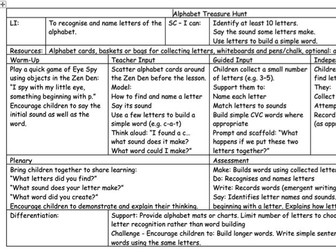
Take early literacy learning outdoors with this engaging collection of 6 ready-to-use Early Level lesson plans, designed to support Curriculum for Excellence learning through practical, playful and active outdoor experiences. The lessons provide opportunities for children to develop early literacy, communication, listening, vocabulary, phonological awareness and storytelling skills while exploring and interacting with their outdoor environment. Overview of the Resources This resource contains 6 structured Early Level outdoor literacy lesson plans designed to make learning active, engaging and hands-on. The lessons use simple outdoor activities and natural materials to develop key early literacy skills. They are suitable for use in school grounds, outdoor classrooms, playgrounds, gardens, woodland areas or other appropriate outdoor spaces. The activities can be adapted to suit your setting, available resources and the needs of your learners. Themes Covered Alphabet Treasure Hunt Children explore the outdoor environment while searching for letters and developing their ability to recognise and identify them. Story Stones Children use story stones as prompts to develop imagination, vocabulary, sequencing and oral storytelling skills. Rhyming Relay An active rhyming game that encourages children to listen carefully, identify rhyming words and develop phonological awareness through movement and play. Letter Garden Children explore letters and sounds through an outdoor garden-themed activity, developing recognition, matching and early phonics skills. Nature Storytelling Children use natural objects and their outdoor surroundings as inspiration for creating and sharing stories. Word Wall Walk Children take their literacy learning outdoors through an active word-based walk, developing vocabulary, word recognition and communication skills. What’s Included? Each lesson plan includes: Learning Intention Success Criteria Resource Details Warm-Up Teacher Input Guided Input Independent Input Plenary Assessment - Say, Make, Do, Write Differentiation The consistent structure makes the lessons easy to follow and provides a clear progression from teacher modelling to guided and independent learning. Assessment Each lesson includes assessment opportunities using a Say, Make, Do, Write approach. This allows children to demonstrate their learning in different ways while keeping assessment practical and appropriate for Early Level. Differentiation Each lesson includes suggestions for both support and challenge. How to Use This Resource These lesson plans are designed to be flexible and easy to use outdoors. They can be delivered in: School grounds. Outdoor classrooms. Playgrounds. Gardens. Woodland areas. Natural outdoor spaces. The activities can be used as standalone literacy sessions, incorporated into your existing planning or revisited throughout the year to reinforce key early literacy skills.
HWB Outdoor Learning – 5 CfE Second Level Lesson PlansQuick View
keantolearn

HWB Outdoor Learning – 5 CfE Second Level Lesson Plans

(0)
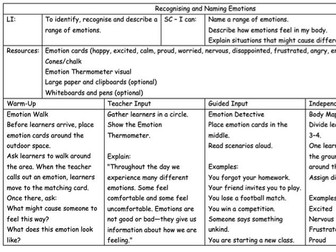
Take Health and Wellbeing learning outdoors with this engaging collection of 5 ready-to-use HWB lesson plans for Second Level within Curriculum for Excellence (CfE). Designed specifically for an outdoor setting, these lessons encourage learners to explore emotions, relationships, conflict resolution, personal identity and strengths through active, reflective and collaborative learning experiences. Themes Covered Recognising and Naming Emotions Explore a range of emotions, develop emotional vocabulary and consider how emotions can affect thoughts, behaviours and interactions with others. Building Positive Relationships Investigate the qualities that help create healthy and respectful relationships, including communication, trust, empathy, cooperation and kindness. Managing Conflict Explore why conflict happens and develop strategies for communicating effectively, understanding different perspectives and resolving disagreements respectfully. Identity Circles: Who Am I? Encourage learners to reflect on the different aspects of their identity, including interests, experiences, relationships, values, culture, achievements and the things that make them unique. Hand of Strengths Support learners to identify their personal strengths, qualities and skills, while recognising strengths in others and considering how these can help them overcome challenges. What’s Included? Each lesson plan includes: Learning Intention Success Criteria Resource Details Warm-Up Teacher Input Guided Input Independent Input Plenary Assessment - Say, Make, Do, Write Differentiation – Support Differentiation – Challenge The consistent format provides a clear structure for planning and delivery while allowing flexibility for practitioners to adapt activities to their learners. Assessment Assessment opportunities are embedded throughout the lessons using a Say, Make, Do, Write approach. Differentiation Each lesson includes suggestions for both support and challenge, helping practitioners adapt learning to meet a range of needs and abilities. How to Use This Resource These lesson plans are designed to be flexible and easy to use in a variety of outdoor environments. They can be delivered in: School grounds. Outdoor classrooms. Playgrounds. Gardens. Woodland or natural spaces. Other suitable outdoor learning areas. Each lesson follows a clear progression from warm-up and teacher input, through guided and independent learning, to plenary and assessment. Choose the lesson that matches your current HWB focus, gather the suggested resources and take the learning outdoors. Activities can be adapted according to your available space, weather conditions, resources and individual learner needs.
HWB Outdoor Learning – 5 CfE First Level Lesson PlansQuick View
keantolearn

HWB Outdoor Learning – 5 CfE First Level Lesson Plans

(0)
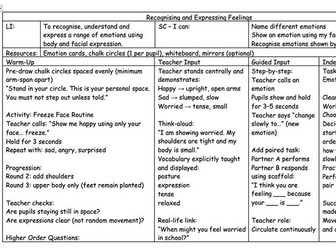
Take Health and Wellbeing learning outdoors with this practical collection of 5 ready-to-use HWB lesson plans for First Level within Curriculum for Excellence (CfE). Designed for an outdoor setting, these lessons provide engaging opportunities for children to develop emotional awareness, confidence, resilience, respectful relationships and physical wellbeing through active, hands-on learning. Overview of the Resources This resource contains 5 structured First Level HWB lesson plans, specifically designed to support learning in an outdoor environment. The lessons combine discussion, movement, sensory exploration, practical activities and opportunities for reflection. They can be delivered using natural and readily available outdoor resources, making them ideal for outdoor classrooms, school grounds, playgrounds, gardens and other suitable outdoor spaces. Themes Covered Recognising and Expressing Feelings Explore different emotions, recognise how feelings can affect us and develop appropriate ways to communicate and express emotions. Personal Space and Respect Develop awareness of personal boundaries, understand the importance of respecting others’ space and explore respectful interactions. Building Confidence and Resilience Encourage learners to take on challenges, persevere when things are difficult and recognise their own strengths and achievements. Stretching and Body Awareness Explore movement, stretching and physical wellbeing while developing awareness of how the body feels before, during and after activity. Loose Parts Sensory Board Create and explore a sensory resource using loose parts, encouraging learners to investigate textures, sensations and responses while developing communication and sensory awareness. What’s Included? Each of the 5 lesson plans includes: Learning Intention Success Criteria Resource Details Warm-Up Teacher Input Guided Input Independent Input Plenary Assessment - Say, Make, Do, Write Differentiation – Support Differentiation – Challenge The consistent structure makes the resource easy to follow and supports clear planning, delivery and assessment. Assessment Assessment opportunities are included throughout each lesson using a Say, Make, Do, Write approach. Differentiation Each lesson includes ideas for supporting and extending learners. How to Use This Resource These lesson plans are designed to be flexible and easy to adapt to your own outdoor environment. They can be used in: School grounds. Outdoor classrooms. Playgrounds. Gardens. Woodland areas. Other suitable outdoor learning spaces. Each lesson provides a clear sequence from warm-up and teacher input through guided and independent learning, finishing with a plenary and assessment opportunity. Simply select the lesson that fits your learning focus, prepare the suggested resources and take the learning outdoors. The activities can also be adapted to suit your learners, available space, weather conditions and the resources you have to hand.
HWB Outdoor Learning – 9 CFE Early Level Lesson PlansQuick View
keantolearn

HWB Outdoor Learning – 9 CFE Early Level Lesson Plans

(0)
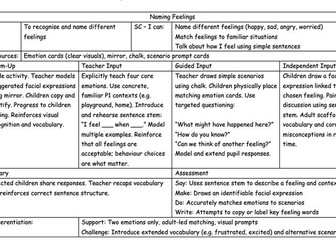
Take learning outdoors with this practical collection of 9 Health and Wellbeing lesson plans designed for Early Level within Curriculum for Excellence. Created for use in an outdoor setting, these ready-to-use lesson plans provide engaging, age-appropriate opportunities for children to develop their emotional wellbeing, physical health, self-awareness, relationships and understanding of healthy choices. Overview of the Resources The resource includes 9 structured Early Level HWB lesson plans, each designed to be delivered outdoors. The lessons use practical, play-based and discussion-led activities to help children connect Health and Wellbeing learning to their own experiences and the world around them. Themes Covered Naming Feelings – recognising, naming and talking about emotions. Being a Good Friend – exploring kindness, cooperation, sharing and friendship. Healthy Eating – identifying healthy foods and making positive choices. Hygiene and Self-Care – understanding routines that help us stay healthy and well. Managing Big Feelings – exploring strategies for coping with strong emotions. Food, Energy and Activity – understanding how food gives our bodies energy and why movement matters. Self-Regulation: Recognising My Body Signals – noticing physical signs linked to emotions and learning how to respond. Mindfulness: Noticing My Surroundings – developing awareness through the senses and the outdoor environment. Inclusion: Everyone Belongs – celebrating differences, kindness, participation and belonging. What’s Included? Each lesson plan includes: Learning Intention Success Criteria Resource Details Warm-Up Teacher Input Guided Input Independent Input Plenary Assessment - Say, make, do, write approaches Differentiation - Support and challenge The lessons are structured to provide a clear progression from teacher modelling and discussion through to guided and independent learning. Assessment Assessment opportunities are built into every lesson using Say, Make, Do, Write approaches, allowing children to demonstrate their learning in different ways. This provides flexible opportunities to assess learning while recognising the varied ways Early Level children communicate and demonstrate understanding. Differentiation Every lesson includes suggestions for adapting learning to meet the needs of different learners. How to Use This Resource These lesson plans are designed to be flexible and practical, making them suitable for a range of outdoor learning environments. Activities can be delivered in: School grounds. Outdoor classrooms. Playgrounds. Gardens. Woodland or natural spaces. Local outdoor areas where appropriate. The plans can be used as individual lessons, as part of a wider HWB programme, or adapted to complement your existing Early Level planning. Simply choose a lesson, gather the suggested resources and take the learning outdoors!
Talk for Writing Unit Planner - FictionQuick View
keantolearn

Talk for Writing Unit Planner - Fiction

(0)
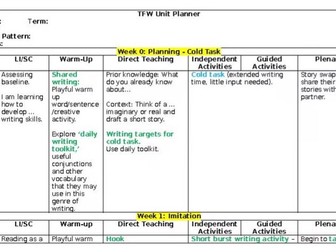
This tool is designed to help educators navigate through each phase of the Talk for Writing approach, ensuring a structured and engaging learning experience for students. Features: Phases: The planner is divided into clear phases: Planning (Cold Task), Imitation, Innovation, Independent (Hot Task), and Assessment (Cold vs Hot Task). Daily Breakdown: Each phase includes a detailed day-by-day plan, outlining possible learning activities. Learning Intention/Success Criteria: Space for targeted learning intentions and success criteria to be achieved when exploring the selected fiction model text. Warm-Up: Suggested warm-ups to assess prior knowledge and recall previous learning. Direct Teaching: Suggested instructions for effective lesson delivery. Individual/Group Activities: Suggested activities for both individual and group work. Plenary Sessions: Suggested plenaries to reflect on learning at the end of each session. Benefits: Structured Learning: Ensures a coherent and progressive approach to teaching writing. Flexibility: Adaptable to different model texts, classroom settings, and student needs. Comprehensive Support: Provides structured guidance for those new to Talk for Writing or seeking additional support. Additional Table: The planner includes a supplementary table highlighting key points for each phase, making it easy to track progress and ensure the core components of Talk for Writing are covered.
Visual Timetable (Widgit) - CfE ScotlandQuick View
keantolearn

Visual Timetable (Widgit) - CfE Scotland

(0)
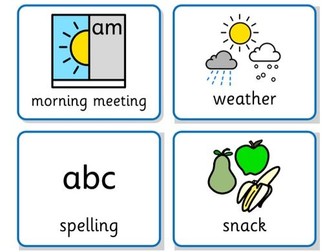
Support clear communication, understanding and independence with this Visual Timetable Cue, designed for use within educational and support settings in Scotland. The resource provides a simple visual prompt to help children and young people understand what is happening throughout their day. The colour coding is matched throughout the resource, providing consistency and making it easier to recognise and follow visual information. How to Use Use the visual timetable cue to: Show learners what activities or events are coming up. Support understanding of daily routines and expectations. Prepare learners for transitions and changes. Encourage greater independence when following a timetable. Provide a consistent visual reference in the classroom or other setting. Support communication between staff, learners and families. What’s Included Visual timetable cues designed for everyday use. Clear, accessible Widgit-style visual symbols. Colour-coded elements that match for consistency. A flexible format suitable for individual or whole-class timetables. Resources that can be printed, displayed or incorporated into an existing visual timetable system. Ideal for schools and educational settings looking for a clear, consistent and accessible visual timetable support.
Solution Station - Problem (What Happened?) & Plan (What Will You Do Next?)Quick View
keantolearn

Solution Station - Problem (What Happened?) & Plan (What Will You Do Next?)

(0)
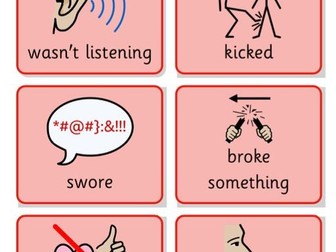
Support children and young people with regulation, communication and problem-solving using this visual Solution Station resource. The symbols are colour coded for quick and consistent understanding: Red – Problem: identify, communicate or recognise what is difficult. Green – Plan: think about what can help and what to do next. This simple colour coding gives learners a clear visual pathway from recognising a problem to developing a plan or solution. How to Use Use the Solution Station to help learners: Communicate that they have a problem or need support. Identify and explain what is difficult. Consider possible solutions or strategies. Create a simple plan for what to do next. Make choices and communicate their needs. Work through challenges when they are calm and ready to problem-solve. Develop greater independence with regulation and communication. The resource can be used proactively as part of everyday regulation support, or during and after a challenging situation to help learners understand what happened and identify a way forward. What’s Included Red Problem symbols for identifying and communicating difficulties. Green Plan symbols for planning what to do next. Clear visual prompts to support communication and understanding. Consistent colour coding to make the two stages easy to recognise. Flexible resources for individual, small-group or classroom use. Solution Station provides a simple visual framework to help learners move from identifying a problem to creating a plan, supporting communication, regulation, independence and positive problem-solving.
Emotional Regulation Communication BoardQuick View
keantolearn

Emotional Regulation Communication Board

(0)
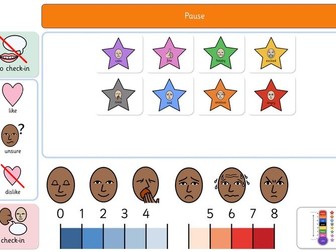
Emotional Regulation Communication Board is a visual communication and regulation board designed to help children and young people identify and communicate their emotions, show how they are feeling, and communicate what support they need. The board brings together emotion symbols, an emotion thermometer, talk/no-talk choices, and colour-coded Problem and Plan sections to provide a clear visual pathway from recognising a difficulty to communicating what might help. What’s Included Star Emotions - Pause to Identify Feeling: Calm, Happy, Excited, Fine, Tired, Sad, Anxious and Angry. Emotion Thermometer: a visual scale to help learners communicate the intensity of their feelings. Talk / Don’t Talk: symbols to show whether the learner wants to talk about what is happening. Red – Problem: symbols to identify or communicate that there is a problem or something is difficult. Green – Plan: symbols to support thinking about what might help and what to do next. Clear visual symbols designed to support accessible communication and regulation. How to Use Use the board during emotional check-ins, regulation activities, transitions or when a learner is experiencing a difficulty. The learner can use the board to: Show how they feel using the emotion symbols. Show the intensity of the feeling using the thermometer. Communicate whether they want to talk or would prefer not to talk. Identify a problem using the red section. Think about a plan or solution using the green section. The colour coding provides a simple visual structure: Red = Problem and Green = Plan. Solution Station offers a low-pressure, visual way for learners to communicate emotions, needs and choices, supporting regulation, independence and positive problem-solving.