This is the first lesson (50 minutes) of a 12 lesson unit. Pupils explore the events and underlying tensions that led to the outbreak of the First World War. They investigate the assassination of Archduke Franz Ferdinand in Sarajevo in 1914 and consider how this event acted as the trigger for a much wider European conflict. Through examining the long-term causes of war, pupils develop an understanding of the complex relationships between European powers and the significance of militarism, alliances, imperialism and nationalism (MAIN). The lesson introduces key historical terminology and encourages pupils to distinguish between long-term causes and immediate triggers when explaining why war broke out in 1914.
World War I: A Journey Through the Trenches
12-Lesson Unit of Work | Year 5 and Year 6 | Ages 10–11
Immerse pupils in the history of the First World War through this engaging, cross-curricular 12-lesson unit of work. Designed for Year 5 and Year 6 pupils, the unit combines historical enquiry with English and art, developing pupils’ understanding of life on the Western Front while strengthening their writing, research and creative skills.
The unit culminates in a Trench Diary, in which pupils draw upon their historical knowledge and understanding to write a series of imaginative, historically informed diary entries from the perspective of a First World War soldier.
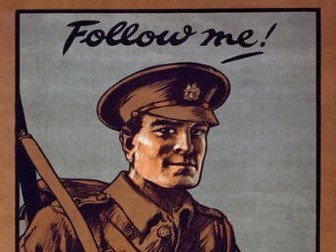
Throughout the unit, pupils will develop their English language skills through poetry analysis, descriptive writing and diary composition. In art, they will explore wartime propaganda and design their own propaganda posters, considering the powerful role of imagery, symbolism and persuasive language in influencing public opinion.
Although designed for a non-selective school, the unit provides an appropriately ambitious level of challenge for pupils working above the national average. It introduces sophisticated historical terminology and encourages pupils to engage critically with historical sources, consider different perspectives and develop a nuanced understanding of the experiences of soldiers during the First World War.
Key historical terminology is woven throughout the lessons, including Western Front, trench warfare, stalemate, no man’s land, parapet, dugout, propaganda, conscription, armistice and attrition.
For UK-based schools, a visit to the Imperial War Museum is highly recommended as an enriching extension to the unit. The museum visit provides pupils with an opportunity to encounter genuine historical artefacts, deepen their understanding of the conflict and gather inspiration for their accompanying documentary challenge.
By the end of the unit, pupils will have developed a rich understanding of the First World War, alongside a portfolio of creative work that brings together historical knowledge, literary expression and artistic interpretation.
Either works as an introduction to History or as an end of term oracy project. The unit explores students’ greatest person in History. This could be used as a cross-curricular unit with English (persuasive writing skills).
An entire terms worth of lessons (lessons 45 minutes long) on the Anglo-Saxons. Starting with 1066 and ending with life in William the conqueror’s England. Designed for Ks3 students but could be adapted for older years in the GCSE syllabus for content and activities.


 Quick View