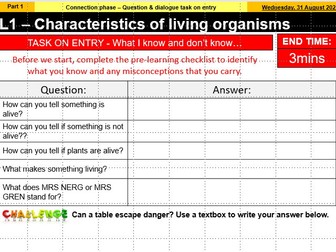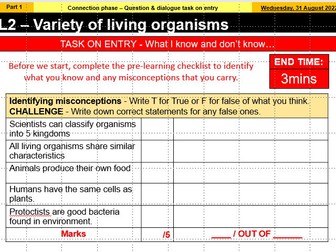
This lesson is based on IGCSE Edexcel Biology Variety of living organisms syllabus. Great interactive lesson that engages students with several differentiated tasks.
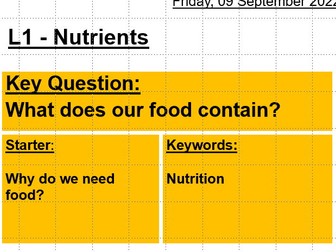
This lesson is introduction to nutrition and nutrients. It contains teacher copy and student google classroom copy along with worksheets. Suitable for KS3 secondary science curriculum. Differentiated worksheets and in-ppt tasks.
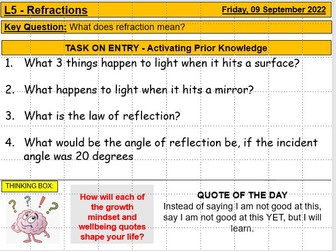
This lesson is on refraction, teaching students how to draw and explain refractions. Tasks are embedded in the slides. Suitable for KS3 secondary science /physics curriculum.
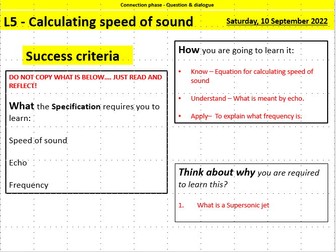
This is a physics lesson on calculating speed of sound, containing calculation questions and teaching students how to use equation for calculating speed. Student tasks are embedded in the slides. Suitable for KS3 and KS4 secondary science /physics curriculum.
Learning outcomes:
Know – Equation for calculating speed of sound
Understand – What is meant by echo.
Apply– To explain what frequency is.
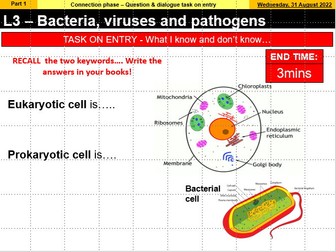
This is the lesson from IGSCE Edexcel Biology specification coveirng bacteria, viruses and pathogens. A very inclusive lesson with many differentiated and scaffolding tasks.
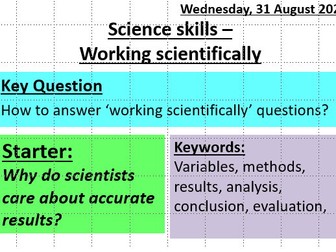
This file is full of tools that help students to grasp the science skills required to complete GCSE and IGCSE science exams. The tools are well explained and have many tasks that you can print off with mark schemes. Also included examples of work from students that are for checking reflecting on.
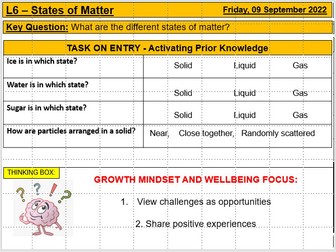
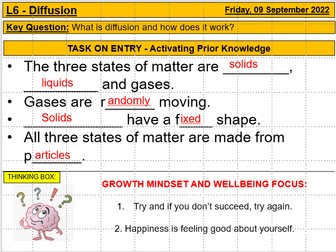
This lesson is on states of matter, allowing students to recognise the different states solid, liquid and gases. Tasks are embedded in the slides. Suitable for KS3 secondary science /chemistry curriculum.
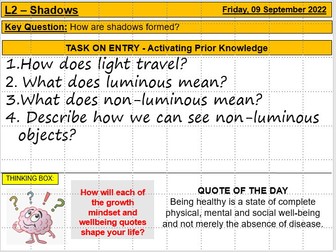
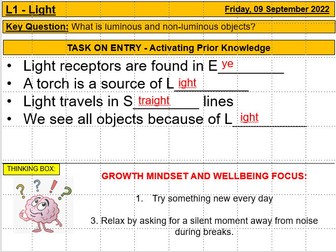
This lesson is on Shadows and how they are formed. The lesson contains loads of activities to engage students. Tasks are embedded in the slides. Suitable for KS3 secondary science /physics curriculum.
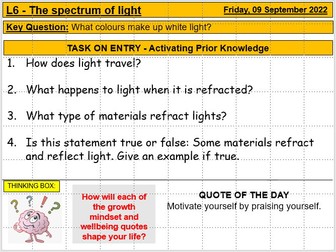
This lesson is on spectrum of light which discusses on what is dispersion and why it happens. Tasks are embedded in the slides. Suitable for KS3 secondary science /physics curriculum.
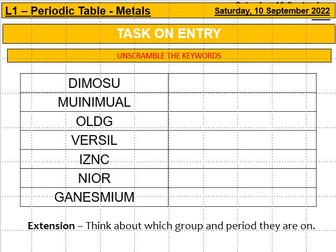
This lesson is on periodic table and helps students to identify and work with metals. Worksheet attached. Tasks are embedded in the slides. Suitable for KS3 and KS4 secondary science /chemistry curriculum.
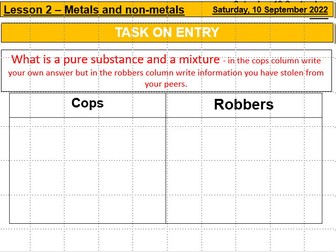
This lesson is on the difference between metals and non-metals. Worksheet attached. Tasks are embedded in the slides. Suitable for KS3 and KS4 secondary science /chemistry curriculum.
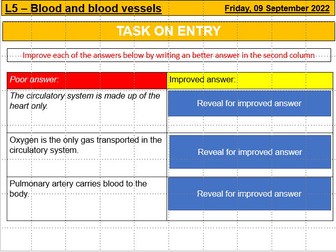
This lesson is on the blood and blood vessels - what makes up blood and blood vessels. Tasks are embedded in the slides. Suitable for KS3 secondary science /biology curriculum.
This lesson is on the breathing system and how the breathing system works and the gases we breath in and out. Tasks are embedded in the slides. Suitable for KS3 and KS4 IGCSE or GCSE secondary science /biology curriculum.
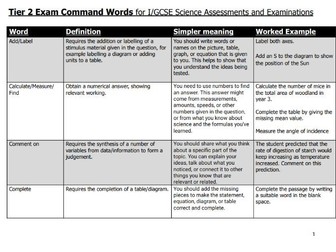
This resource is aimed to help students understand command words used in assessments. The focus is to help students with their Exams. The resource appears as a table with each command word defined using the Edexcel Exam Board definitions but with added simplified definitions to support all levels of learners. Examples of questions that use the command words are also added.
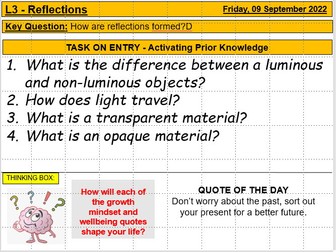
This lesson is on reflections, which covers how to understand reflections and how they are formed. Tasks are embedded in the slides. Suitable for KS3 secondary science /physics curriculum.
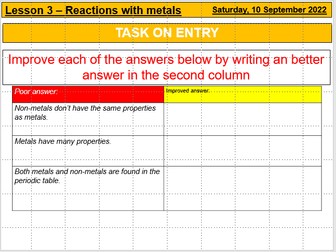
This lesson is on reactions with metals which include rusting and corrosion of metals. Like all my lessons include Cross Curriculum activity along many engaging tasks. Tasks are embedded in the slides. Suitable for KS3 and KS4 secondary science /chemistry curriculum.
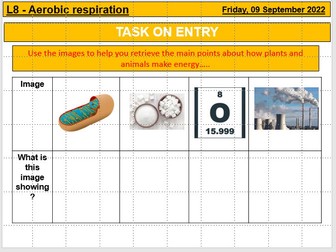
This lesson is on the aerobic respiration. It helps students to understand the importance of respiration and components of the chemical reaction.Tasks are embedded in the slides. Suitable for KS3 and KS4 GCSE and IGSCE secondary science /biology curriculum.
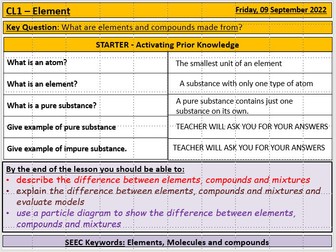
This lesson is introduction is to Distinguish between elements, compounds and mixtures. Tasks are embedded in the slides. Suitable for KS3 secondary science curriculum.