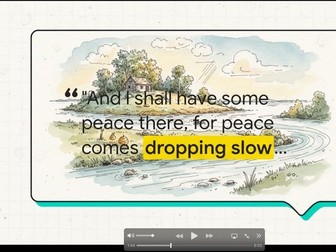
A summary and explanation of An Irish Airman Foresees his Death, The Wild Swans at Coole and Lake Isle of Innisfree. Key themes, techniques, quotes discussed with accompaning imagery.
This scheme meets all current Department of Education guidelines, offering a balanced, engaging programme that bridges the gap between Junior Cycle and Leaving Certificate English. It develops students’ skills in reading, writing, and oral communication through relevant, student-centred units such as close reading of Angela’s Ashes and I Know Why the Caged Bird Sings, analysis of film (The Truman Show), creative and functional writing, and poetry appreciation. The scheme fosters critical thinking, creativity, and confidence, ensuring students are well-prepared for the demands of Leaving Certificate English.
Detailed notes on The Fish, First Death in Nova Scotia, In the Waiting Room, Filling Station, The Prodigal.
Key quotes and explanations
Themes
Techniques
This resource provides an overview of key topics in Christian Religious Education, suitable for junior-level students. It covers essential aspects of Christianity, including the Apostles, the sacred nature of the Bible, and the similarities and differences among the Gospels. The document also explores historical sources like Tacitus and Josephus, outlines the seven sacraments, and describes major Christian denominations. It offers a detailed account of Easter’s significance and celebrations in Roman Catholicism, as well as an explanation of pilgrimages, including a specific example of Lourdes. A glossary at the end defines key religious terms to enhance understanding. This resource is designed to support both teaching and learning by presenting foundational Christian beliefs and practices in a clear, accessible way.
Comprehensive guide to paper 2. Covers comparatvie (Shawshank Redemption, Sive, Small Things Like These) King Lear, Poetry - Mahon, Plath, Boland, unseen poetry. Includes useful revision tables, key moments, useful phrases for higher level analysis and comparative. Key Quotes from King Lear.
Advanced Vocabulary and Phrases for Essays on King Lear
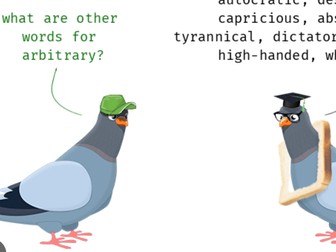
A “Word of the Day” PowerPoint is a teaching tool that introduces a new word each day, providing its definition, usage, pronunciation, and an example sentence. It can be used in English lessons to expand vocabulary, enhance language skills, and encourage students to incorporate the word into their speaking and writing. It fosters engagement by challenging students to use the word in context and explore synonyms, antonyms, or related words. This resource can be a quick, daily activity or part of a larger vocabulary-building routine in the classroom.
Junior Certificate History: Revision Guide
This guide covers the key topics from the Junior Certificate History curriculum, adhering to the curriculum guidelines to ensure accuracy and relevance.
Covers: Grammar & Puntuation, Poetry - Frost, Wordsworth, Wilfred Owen. Includes summaries, key words and phrases, how to write an answer.
Novels - Trash & Of Mice and Men
Shakespeare - Julius Caesar
Film - Sing Street
Persuasive writing
Effective communication
Includes EAL guide of all of the above
To What Extent Do You Agree with the Statement: “In Sylvia Plath’s Poetry, Themes of
Identity and Love Are Often Explored through Powerful and Striking Imagery?” - H1 standard, sample answer
This resource provides a concise analysis of Sylvia Plath’s poems Mirror, Morning Song, Child, Poppies in July, and The Arrival of the Bee Box. It covers key themes such as identity, motherhood, suffering, and power, while highlighting Plath’s use of literary techniques like metaphor, personification, enjambment, and symbolism.
The resource includes:
Poem analyses with themes, tone, and significance.
Key quotes and their interpretations.
Glossary of literary terms like metaphor and symbolism.
Ideal for secondary students studying Plath’s poetry, it supports class discussions, essay writing, and exam preparation by deepening understanding of her work and developing critical analysis skills.
Ideal revision aid. Overview of the themes, characters and plot of the novel. 25 questions to test comprehension and critical thinking. Adapted notes & questions for EAL students included.
This resource includes:
Glossary - A list of key terms related to ethical principles and decision-making. This can be used as a reference point or for vocabulary activities with students to ensure they understand the fundamental concepts before engaging in discussions or case studies.
Case Studies - Four scenarios presenting moral or ethical dilemmas commonly faced by individuals. Each scenario includes questions that prompt critical thinking and discussion. These are practical tools for engaging students with real-life issues and helping them apply ethical principles to make decisions.
Exam Question - An example of a typical question that might appear in an examination setting, asking students to outline the process of ethical decision-making. This question is accompanied by a detailed answer explaining the importance of understanding ethical principles.
Multiple Choice and True/False Questions - These questions assess students’ understanding of the concepts discussed in the resource, specifically focusing on the importance of the connection between actions and consequences in living a morally good life.
Short Answer and Matching Questions - These are designed to test comprehension and the ability to apply ethical concepts to different situations. The matching questions help reinforce key terms and their meanings.
Paragraph Questions - These questions require more detailed responses and are aimed at developing higher-order thinking skills. Students must not only understand ethical concepts but also be able to analyze situations, predict outcomes, and justify their reasoning.
Discussion Prompts - Open-ended questions that encourage students to debate ethical principles and their application in everyday life, helping to foster a deeper understanding and appreciation for ethical decision-making.
Model Answers - Detailed responses to the exam question
This resource can be expanded into worksheets, which could be designed around the glossary terms, case studies, and questions provided to facilitate classroom activities and discussions. Teachers can use the resource as a whole or select parts to incorporate into lesson plans, assessments, or as a basis for project work.
Toolkit for Leaving Cert Non-Exam R.E." is a meticulously curated resource designed to invigorate the teaching of Religious Education. Tailored for the Leaving Cert Non-Exam curriculum, this toolkit offers educators a streamlined approach to lesson planning and delivery. Dive into engaging topics that resonate with students, fostering a deeper connection to the material. With an innovative scheme of work, detailed lesson plans, interactive worksheets, and direct links to supplementary resources, this is more than just a guide—it’s your all-in-one solution. Whether you’re an experienced educator or just starting out, this resource aims to significantly reduce planning time, ensuring you have everything you need for six enriching units and ten dynamic lessons.
Key Features:
Innovative Approach: Move beyond traditional teachings with fresh perspectives and engaging content.
Meaningful Engagement: Each unit is specifically designed to resonate with students.
Comprehensive Coverage: This resource provides all the essential materials for six distinct units of study, eliminating the hassle of sourcing or creating supplementary content.
Time-Saving: With an aim to significantly reduce planning time for educators, this resource includes a detailed scheme for ten lessons, enabling teachers to focus on delivering the best educational experience.
Ready-to-Use: Whether you’re a seasoned educator or a novice, this resource equips you with everything you need, right at your fingertips.
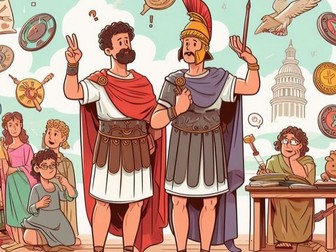
This resource combines meticulous study notes and diverse question styles to enhance both comprehension and retention in relation Ancient Rome, The Middle Ages and the Renaissance.
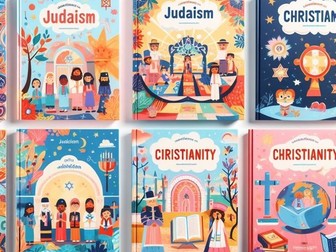
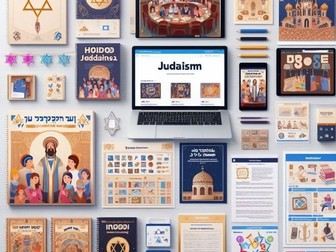
Designed for educators, “Sacred Texts, Prayer, and the Search for Meaning in Judaism and Christianity” is a versatile and engaging package that includes detailed notes and thought-provoking worksheets and questions.
Description:
This comprehensive study guide delves into the works of renowned poet Robert Frost, focusing on three of his most notable poems: “The Road Not Taken,” “Out, Out—,” and others. It provides detailed notes, comparison tables, comprehension and analysis questions, and an answer key, offering a thorough understanding of Frost’s themes, techniques, and imagery.
Key Features:
Detailed Notes: Explore the background, themes, and literary devices used in Frost’s poetry.
Lesson plans
Comparison Table: Compare and contrast key elements of Frost’s selected poems for a deeper analysis.
Comprehension Questions: Test understanding with thought-provoking questions that cover the poems’ central themes and narratives.
Analysis Questions: Encourage critical thinking with inquiries into Frost’s use of symbolism, imagery, and structure.
Answer Key: Ensure accurate comprehension and analysis with provided answers to all questions.
High-Quality Images: Enhance engagement with visually appealing illustrations of Frost and his works.
This study guide is ideal for students and educators seeking a comprehensive resource to aid in the exploration and appreciation of Robert Frost’s timeless poetry.
Explore the rich traditions and significance of Shabbat, the sacred day of rest in Judaism, with this comprehensive resource. This package includes an information sheet providing key insights into Shabbat customs and practices. A specially designed worksheet offers students the opportunity to test their knowledge with a variety of question types. An answer key is included.
To further enhance learning, I’ve included extended learning activities that encourage creative thinking and reflection. Dive into the world of Shabbat and gain a deeper understanding of its importance in Jewish culture and faith. As a fellow educator, I believe this resource will greatly benefit your teaching and engage your students in meaningful learning.
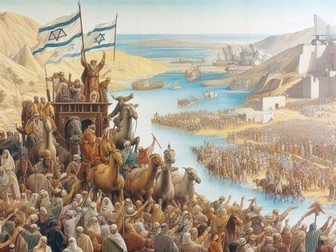
“From Exodus to Nation: Israel’s Historical Journey” is a comprehensive PowerPoint resource that delves into the intricate history of Israel, with a focus on its foundation, the historical persecution of Jews, and the current geopolitical situation. This resource has been meticulously crafted for educators teaching Religious Education, History and related subjects.
Resource Overview:
This captivating presentation takes students on a historical voyage, blending compelling images, thought-provoking videos, in-depth historical information, and informative maps to provide a rich learning experience.
Historical Overview: Begin with a deep dive into the foundation of Israel, tracing its origins and historical milestones. Explore the roots of a nation that has had a profound impact on the world stage.
Persecution of Jews: The resource vividly chronicles the history of Jewish persecution, shedding light on the challenges and triumphs of a resilient community throughout the ages.
Current Situation: Gain insights into the contemporary geopolitical landscape, offering students a nuanced understanding of Israel’s current role in global affairs.
Teaching Aids:
Images: Visual aids that bring history to life, creating a memorable learning experience.
Videos: Engaging video clips that provide dynamic insights into key historical events.
Historical Information: A wealth of meticulously researched information to support in-depth discussions.
Maps: Geographic references to help students grasp the geopolitical context.
This resource is ideal for educators seeking to enhance their students’ understanding of this complex and significant topic. “From Exodus to Nation” provides a compelling tool to engage students, fostering critical thinking and historical empathy.