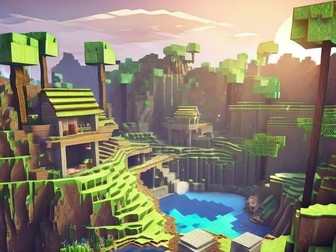
This lesson and supporting resources provide an extremely detailed account of how music was written, composed and developed for the massively popular game ‘Minecraft’. How did the game’s main composer ‘C418’ use a wide range of techniques and musical genres like ‘Ambient’ to create such a rich soundtrack for this game? How has the game’s music been influenced by French composer and pianist Satie? What is Ambient music and its main characteristics? What other games have used similar techniques and styles? This lesson links very closely to ‘History of Video Game and Music’, ‘Sound Design in Video Games’, ‘Video Game Genres and their Music’ and ‘Zelda Games Music and Sound Design’.
You can also purchase this resource, along with the others in the massive Video Game Bundle!
The presentation is more than 30 slides, each with an eye-catching design for better student engagement and also linked to classroom tasks that feed in and work along with the presentation. Moreover, throughout the presentation, there are really useful embedded YouTube examples, with links to the videos to support and aid learning.
The presentation come in both .pdf and PowerPoint version, along with a video version that can be used for revision and student home study. Moreover, all elements of the resources have been developed in Google Slides. This can be used for remote learning and easily allow for digital submission of the learning tasks included.
The resource also comes with 3 classroom tasks/worksheets with extremely useful listening exercises that link with the presentation/lecture itself. Finally, there is also a really useful infographic, covering what other games use Ambient music soundtracks. This has embedded YouTube Links and come as a .PDF and PowerPoint files.
WARNING – Before you buy this resource PLEASE READ!
Within this presentation are YouTube video links – We have tried to ensure that audio and visual examples are suitable for the classroom, but this really depends on the learning environment and age range of your learners. It is the teacher/lecturer’s responsibility to monitor and check before engaging with learners. Thank you for understanding!
Imagine educational environments where learning is not confined to the traditional classroom, where learners are not limited by textbooks and lectures, and where creativity and imagination know no bounds. Welcome to the world of Minecraft, an educational tool that is transforming the way we learn and teach. This popular sandbox video game has evolved from a simple building simulator to a powerful platform for educational innovation, allowing learners to explore complex concepts, develop critical thinking skills, and unleash their creativity in a fun and engaging way. With its unique blend of gameplay, creativity, and problem-solving, Minecraft is empowering teachers to rethink traditional pedagogy and create a more immersive, interactive, and effective learning experience. In this article I will discuss the fascinating ways Minecraft is revolutionising education, and explore the many benefits it offers for learners, teachers, and the future of learning.
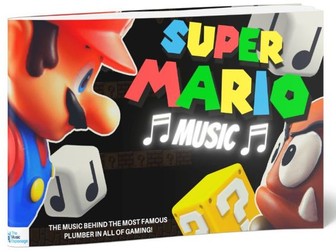
This lesson and supporting classroom exercise provide an extremely detailed account of how music was written, composed and developed for the first Super Mario Bros. game. The lesson has learners not just listen to the music and sound design, but also analyse the game mechanics of this classic platformer and others within this genre. How is music used through the whole Super Mario franchise and how did composer Koji Kondo write and develop his ideas for the original game. The lesson also looks, in detail, at the original 5 songs composed for the first game, and with a great listening skills task for learners to complete (including teacher answer sheets).
This lesson links very closely to ‘History of Video Game and Music’, ‘Sound Design in Video Games’, ‘Video Game Genres and their Music’, ‘Zelda Games Music and Sound Design’ and ‘Minecraft Music’.
You can also purchase this resource, along with the others in the massive Video Game Bundle!
The presentation is more than 50 slides, each with an eye-catching design for better student engagement and also linked to classroom tasks that feed in and work along with the presentation. Moreover, throughout the presentation, there are really useful embedded YouTube examples, with links to the videos to support and aid learning.
The presentation come in both .pdf and PowerPoint versions, along with a video version that can be used for revision and student home study. Moreover, all elements of the resources have been developed in Google Slides. This can be used for remote learning and easily allow for digital submission of the learning tasks included.
The resource also comes with 3 classroom tasks/worksheets with extremely useful listening exercises that link with the presentation/lecture itself. There is also a great “Tiermaker” exercise, where learners can listen and judge which Mario music they believe is best. This comes as a 'cut & stick" printable exercise, an online Google Slides version and also as a link to the Tiermarker site. Allowing for completion and to download as an image to save for future reference.
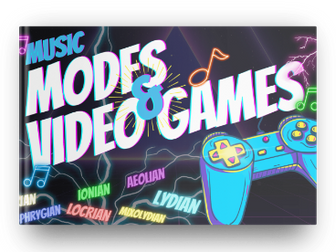
This lesson and supporting classroom exercise provide an extremely detailed account of how video games often use musical modes to structure their compositions and musical content for some of the most popular games of all time. Not only would this lesson be great to teach music Modes and some basic music theory, but also covers how video game composers have used these to shape their music.
This lesson links very closely to ‘History of Video Game and Music’, ‘Sound Design in Video Games’, ‘Video Game Genres and their Music’, ‘Zelda Games Music and Sound Design’, ‘Minecraft Music’ and ‘Super Mario Music’.
You can also purchase this resource, along with the others in the massive Video Game Bundle!
The presentation is more than 45+ slides, each with an eye-catching design for better student engagement and also linked to classroom tasks that feed in and work along with the presentation. Moreover, throughout the presentation, there are really useful embedded YouTube examples, with links to the videos to support and aid learning.
The presentation come in both .pdf and PowerPoint versions, along with a video version that can be used for revision and student home study. Moreover, all elements of the resources have been developed in Google Slides. This can be used for remote learning and easily allow for digital submission of the learning tasks included.
The resource also comes with 2 classroom tasks/worksheets with extremely useful listening exercises that link with the presentation/lecture itself. There is also a really useful Infographic that shows popular video games and which music Mode composers have used.
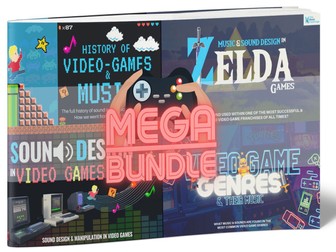
These lectures and supporting classroom resources form a full library of material covering the full history of Music and Sound within Computer Games and how modern sound design is created and used within video games.
History of Video Games and Music presentation is an extremely detailed account of Video Game history and the development of music for consoles and games. It covers from very early Pre First Generation all the way through to the modern, latest 8th Generation consoles and games. The material in these resources would easily cover 4 to 5 lessons over roughly 5 or 6 weeks. The presentation covers the development of music written for computer games and how this changed over time with a total of 59 slides. Moreover, there are over 50 embedded videos throughout the lesson linking to YouTube and providing an excellent addition to the resource.
Sound Design in Video Games lesson specifics how and why sounds are important to the player’s experiences and what they provide in terms of feedback and game immersion. This presentation is more 40 slides, each with an eye-catching design for better student engagement and also linked classroom tasks that feed-in and work along with the presentation.
Video Game Genres and their Music, this lesson and supporting resources provide an extremely detailed account of popular genres of video games and some of the music and sound design techniques most common to these styles. The lesson covers a brief history of video games genres/styles and how these developed throughout the early generations of gaming. Moreover, how music and sound have been an exceptionally important aspect of video game design and development and are now seen as significant as good graphics and game-play.
Zelda Games Music and Sound Design, detailed account of how one of the most popular video game franchises of all time uses both music and sound design throughout its games. How is the sound design used and employed throughout these games and how does the score reflect and add to the tension of the game and how have the games changed over time? Moreover, how are leitmotifs used and how has the composed used this technique to reflect and evoke emotions from the player for important locations, characters and items of equipment.
Super Mario Music-Distance Learning, this lesson and supporting classroom exercise provide an extremely detailed account of how music was written, composed and developed for the first Super Mario Bros. game. The lesson has learners not just listen to the music and sound design, but also analyse the game mechanics of this classic platformer and others within this genre. How is music used through the whole Super Mario franchise and how did composer Koji Kondo write and develop his ideas for the original game. The lesson also looks, in detail, at the original 5 songs composed for the first game, and with a great listening skills task for learners to complete (including teacher answer sheets).
Minecraft Music, this lesson and supporting resources provide an extremely detailed account of how music was written, composed and developed for the massively popular game ‘Minecraft’. How did the game’s main composer ‘C418’ use a wide range of techniques and musical genres like ‘Ambient’ to create such a rich soundtrack for this game? How has the game’s music been influenced by French composer and pianist Satie? What is Ambient music and its main characteristics? What other games have used similar techniques and styles?
Modes and Video Game Music, this lesson provides an extremely detailed account of how video games often use musical modes to structure their compositions and musical content for some of the most popular games of all time. Not only would this lesson be great to teach music Modes and some basic music theory, but also covers how video game composers have used these to shape their music.
FREE RESOURCE - Glossary of Music Technology: EBook (worth £4.49!!!)
This e-book covers a wide range of terms and vocabulary for Music and Music Technology. The list is extensive and with great detail on a full list of useful terms, each with an easy and straightforward definition.
This Resource would be really useful for any student or teacher working within a Music or Music Technology department, but also extremely valuable and convenient for home/self-study revision.
This resource also comes with 3 classroom tasks/worksheets with extremely useful listening exercises that link with the presentation/lecture itself, this keeping learners engaged throughout.
Task one overs spotting good sound design in early video games from the first generation, and also watching how real game designer work within the studio
Task two is an excellent listening exercise with 4 lots of audio examples included. What makes a good “jump” sound or a good “laser” sound?
Task three is an additional game design task where students research and then tasked with creating their own game sounds for a video-game character.
In this package:
Lectures ( in-depth presentations, each linking together, providing a full scheme of work for teaching).
WORKSHEETS – All lessons come with worksheets (with teacher answers) that link with the lesson/presentation.
HOMEWORK – many of the lessons also come with additional learning research and homework tasks, also with answers sheets to support.
INFOGRAPHIC – Lesson have really useful infographics that support the presentation/lesson and can be used for additional revision and self-study for learners.
VIDEOS - (each presentation also comes in video form, used for student revision)
The resources within this bundle would easily cover a full term’s worth of work and could be used for GCSE, NCFE, A-Level and BTEC level 1, 2, 3 and UAL course frameworks. (United Kingdom).
WARNING – Before you buy this resource PLEASE READ!
Within this presentation are YouTube video links – We have tried to ensure that audio and visual examples are suitable for the classroom, but this really depends on the learning environment and age range of your learners. It is the teacher/lecturer’ responsibility to monitor and check before engaging with learners. Thank you for understanding!
Various resources for low ability Y8 class.
Follows Expo 2 Vert.
A few weeks of powerpoint slides + worksheets and other resources used in class.
The reading task (Reading A and Reading B) was sent out to pupils electronically so some had the underlined version to give them hints.
6-8 week topic on free time, aimed at Year 8 Set 3.
Includes sports and hobbies, opinions, perfect tense and TV.
Culminates in a Reading assessment.
A few slides may be taken from other TES resources. If you recognise your work, many thanks for sharing and let me know if you want to be credited.


 Quick View