


GCSE Biology AQA 4.5.2.4 Temperature Control | Complete Lesson | Negative Feedback and Homeostasis
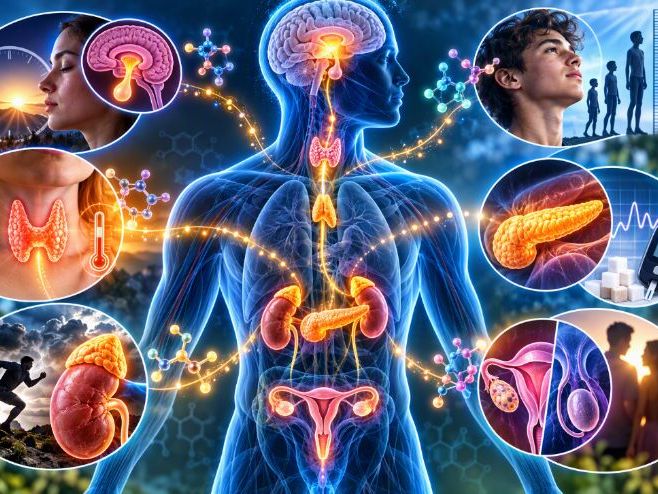
This fully resourced lesson covers Section 4.5.2.4 of the AQA GCSE Biology specification: Temperature Control. Using thermoregulation as a key example of homeostasis and negative feedback, students develop a secure understanding of how the body maintains a stable internal environment despite changes in external conditions. The lesson combines retrieval practice, discussion, visual learning, application activities and exam-style questions to build both subject knowledge and examination skills.
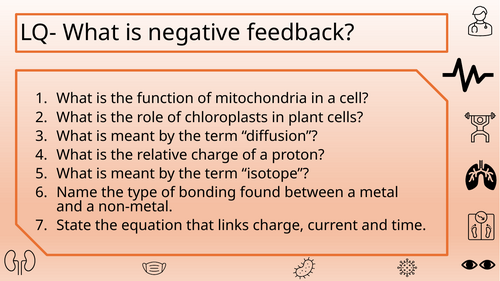
The lesson begins with a recall starter designed to revisit prior learning on homeostasis and the processes involved in maintaining stable internal conditions. Students then explore temperature control as a vital example of homeostasis, discussing why body temperature must remain within a narrow range and the potential consequences of temperatures becoming too high or too low. A supporting video resource is used to reinforce key concepts and provide students with a visual understanding of thermoregulation.
Students complete a detailed labelling activity in which they identify and explain the body’s responses to changing temperatures, including sweating, vasodilation, vasoconstriction and shivering. This activity helps students link physiological responses to their role in maintaining a constant core body temperature. Quick-check questions are interspersed throughout the lesson to assess understanding and address misconceptions before moving on to more challenging concepts.
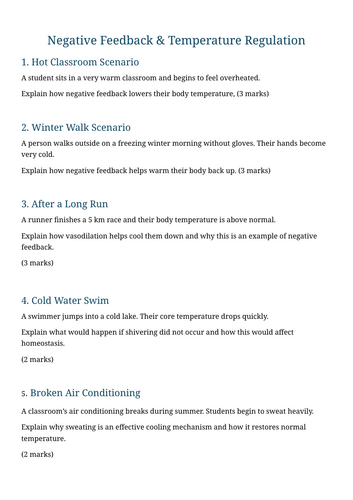
The lesson then introduces negative feedback and demonstrates how temperature regulation is controlled through feedback mechanisms. Students complete a summary diagram that brings together receptors, coordination centres and effectors, allowing them to visualise the sequence of events involved in temperature control. A series of scenario-based activities then provides opportunities to apply knowledge to real-life situations, encouraging students to explain physiological responses using appropriate scientific terminology.
Students also explore the role of thyroxine in regulating metabolism and its contribution to temperature control. This section helps reinforce links between the endocrine system, metabolism and homeostasis, whilst extending understanding beyond basic temperature regulation. The lesson concludes with GCSE-style exam questions that allow students to demonstrate their understanding through structured and extended responses.
This resource is ideal for AQA GCSE Biology, Combined Science Trilogy and Separate Biology courses. It is suitable for classroom teaching, revision lessons, intervention sessions or cover work.
Something went wrong, please try again later.
This resource hasn't been reviewed yet
To ensure quality for our reviews, only customers who have downloaded this resource can review it
Report this resourceto let us know if it violates our terms and conditions.
Our customer service team will review your report and will be in touch.
£0.00