International Day of Peace KS3 PSHE LessonQuick View
Lessonresources75

International Day of Peace KS3 PSHE Lesson

(0)
KS3 International Day of Peace PSHE lesson exploring conflict, bullying, inclusion and kindness. Includes discussion, scenarios and a school peace project. This engaging KS3 International Day of Peace PSHE lesson explores what peace means in our everyday lives, from global conflict to relationships, inclusion and behaviour in school. Students consider the difference between simply having no violence or conflict and creating an environment where people feel safe, heard and included. The lesson connects global issues with situations students may encounter in their own lives. Ideal for International Day of Peace, PSHE, tutor time, assemblies or Personal Development lessons. Students explore the United Nations International Day of Peace and the theme “Invest in Peace for Everyone, Everywhere, Every Day.” They consider what peace looks like, what can threaten it and whether peace can exist when people experience bullying, exclusion or discrimination. The lesson then moves from global conflict to everyday situations involving friendship disagreements, rumours, online bullying, exclusion and bystander behaviour. Students finish by designing ways their school could “invest in peace”, choosing projects such as peer mentoring, anti-bullying ambassadors, kindness campaigns and student voice initiatives. Key Features ✔ Complete KS3 PSHE PowerPoint lesson ✔ International Day of Peace focus ✔ Do It Now starter activity ✔ Global and real-life examples ✔ Discussion and debate questions ✔ Scenario-based activities ✔ Explores bullying, exclusion and online behaviour ✔ Creative “Invest in Peace” school project ✔ Final personal reflection activity
Year 12 PSHE: Transition to Adulthood PackQuick View
Lessonresources75

Year 12 PSHE: Transition to Adulthood Pack

(0)
Six Year 12 PSHE lessons supporting transition to adulthood. Covers rights, decision making, identity, relationships, digital reputation, safety and risk. This Year 12 PSHE Transition to Adulthood Pack contains six engaging lessons designed to support students as they move towards greater independence, responsibility and adulthood. The lessons explore the opportunities and challenges that come with being 17, helping students consider who they are becoming, how their decisions affect themselves and others, and how to navigate relationships, reputation and personal safety. The programme provides a coherent transition-to-adulthood PSHE curriculum for Year 12, with each lesson focusing on an important aspect of personal development and independent life. Ideal for Year 12 PSHE, Sixth Form Personal Development, Tutor Time, Life Skills and transition programmes. Lesson Breakdown New Life at 17 – Rights & Responsibilities Explore the rights, responsibilities and increased independence that come with turning 17 and approaching adulthood. Freedom & Decision Making at 17 Consider growing freedom, personal responsibility and how decisions can have consequences for yourself and others. Identity & Influence – Who Are You Becoming? Explore identity, values and the people and influences that shape who we become. Relationships & Boundaries Explore healthy relationships, respect, communication and the importance of understanding personal boundaries. Reputation & Digital Identity Consider online reputation, digital footprints and how social media and online choices can affect your future. Personal Safety & Risk in the Real World Develop awareness of real-world risks, personal safety and making responsible decisions as independence increases.
Edexcel A Level PE Injury Prevention Pack - Topic 2.3Quick View
Lessonresources75

Edexcel A Level PE Injury Prevention Pack - Topic 2.3

(0)
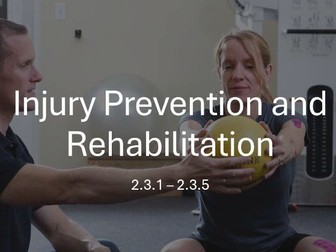
Edexcel A Level PE injuries and rehabilitation lessons covering acute and overuse injuries, prevention strategies, recovery methods and exam practice. This Edexcel A Level PE Injury Prevention and Rehabilitation lesson pack covers Topics 2.3.1-2.3.5, helping students understand acute and overuse injuries, injury prevention strategies and modern rehabilitation methods. Students explore common sporting injuries, their causes, prevention techniques and recovery approaches through interactive tasks, discussion activities, research opportunities and exam-style questions. Includes: Acute and overuse injury classifications ACL injuries, sprains, fractures, dislocations and concussion Strains, shin splints, tendonitis and stress fractures Causes of injury and risk factors Conditioning, muscle balance, technique and protective equipment Rehabilitation methods including physiotherapy, cryotherapy, ice baths and compression garments RICE and POLICE recovery models Research and case study activities Exam-style and extended-response questions Key Features ✔ Covers Edexcel A Level PE Topic 2.3.1-2.3.5 ✔ Complete lesson resource with ready-to-teach activities ✔ Acute and overuse injuries covered in detail ✔ Injury prevention and rehabilitation strategies included ✔ RICE and POLICE frameworks explained ✔ Research, discussion and application tasks ✔ Exam practice and 15-mark question preparation ✔ Suitable for independent and classroom learning
Edexcel A Level PE Biomechanics Mega Pack (2.4 - 2.7)Quick View
Lessonresources75

Edexcel A Level PE Biomechanics Mega Pack (2.4 - 2.7)

(0)
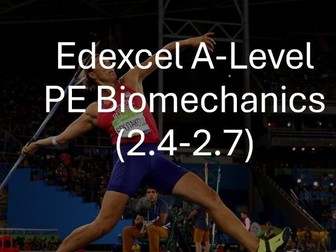
Edexcel A Level PE biomechanics lessons covering linear, angular, projectile motion and fluid mechanics with exam practice. This Edexcel A Level PE Biomechanics Mega Pack provides comprehensive coverage of Topics 2.4.1-2.7.5, supporting students in developing a detailed understanding of the biomechanical principles that underpin sporting performance. Through interactive activities, calculations, practical sporting examples, discussion tasks, graph analysis and exam-style questions, students learn how movement, forces and technology influence performance across a range of sports. Includes: Linear Motion (2.4.1-2.4.3) Distance and displacement Speed, velocity and acceleration Scalar and vector quantities Formula calculations and worked examples Distance-time, speed-time and velocity-time graphs Graph interpretation and analysis Angular Motion (2.5.1-2.5.4) Angular velocity Angular momentum Moment of inertia Conservation of angular momentum Sporting applications in diving and gymnastics Practical investigations and exam questions Projectile Motion (2.6.1-2.6.4) Projectile motion and parabolic flight Gravity, air resistance and lift forces Velocity, angle and height of release Optimum release angles in sport Technology and performance enhancement Sporting examples including javelin, golf, basketball and long jump Fluid Mechanics (2.7.1-2.7.5) Aerodynamics and hydrodynamics Fluid friction and air resistance Streamlining and drag Bernoulli Principle Magnus Effect Topspin, backspin and sidespin Lift forces and angle of attack Technological developments in sport, clothing and equipment Sporting applications in cycling, swimming, athletics, football, golf and motorsport Key Features ✔ Complete Edexcel A Level PE Biomechanics resource ✔ Covers Topics 2.4.1-2.7.5 in full ✔ Linear, angular and projectile motion included ✔ Fluid mechanics and spin fully covered ✔ Worked calculations and graph analysis tasks ✔ Real sporting examples throughout ✔ Discussion, research and application activities ✔ Exam-style questions and extended-response practice ✔ Ready-to-teach lessons with minimal preparation required
Water Safety PSHE Lesson | KS3–KS4Quick View
Lessonresources75

Water Safety PSHE Lesson | KS3–KS4

(0)
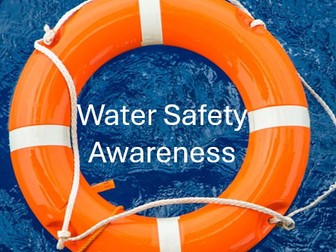
Engaging KS3–KS4 Water Safety lesson exploring drowning prevention, cold water shock, peer pressure and open water risks through videos and discussion. This Water Safety Awareness lesson is a fully prepared KS3–KS4 PSHE resource designed to help students understand the risks associated with open water and make safer decisions around rivers, lakes, reservoirs, canals and the coast. Using real-life case studies, videos, discussion tasks and thought-provoking scenarios, students explore why drownings occur, the impact on families and communities, and how simple decisions can save lives. Ideal for PSHE, tutor time, enrichment days, summer safety lessons or end-of-term activities, particularly before school holidays when young people are more likely to visit open water. Students begin by considering whether they would follow friends into open water before exploring why drowning incidents increase during warmer months. The lesson examines: Why young people are particularly at risk The dangers of peer pressure and group mentality Cold water shock and its effects on the body Hidden hazards beneath the water’s surface Strong currents and why calm water can still be dangerous The emotional impact of drowning on families and friends Practical strategies for staying safe around water Students also reflect on powerful real-life stories, encouraging empathy while reinforcing key water safety messages.
Anti-Bullying Week KS3/KS4 Lesson PackQuick View
Lessonresources75

Anti-Bullying Week KS3/KS4 Lesson Pack

(2)
Complete KS3/KS4 Anti-Bullying Week pack for Year 7-11. Covers kindness, bystanders, active responses, and ‘Power for Good’ theme with activities. his Anti-Bullying Week lesson pack includes two ready-to-teach PowerPoints for KS3 and lower KS4 (Year 7-11). The lessons explore this year’s theme: Power for Good, focusing on the impact of kindness and bystander behaviour in preventing and challenging bullying. Designed for tutor time, PSHE, assemblies or drop-down days, this pack supports a whole-school approach to anti-bullying through age-appropriate content that builds responsibility, empathy and confidence. What’s Included? KS3 Kindness and the role of the bystander. Students learn what bullying is, explore the impact of silence vs support, and create a Kindness Ripple Poster to show how one positive action can spread through a community. KS4 A deeper look at the bystander effect, including the difference between active and passive bystanders. Students develop strategies to safely challenge bullying and reflect on integrity, bravery and kindness in real-life situations. Key Features ✔ 2 complete PowerPoint lessons ✔ Fully editable and ready to deliver ✔ Age-appropriate discussion tasks and reflection questions ✔ Focus on kindness and positive action ✔ Builds confidence to speak up safely ✔ Perfect for Anti-Bullying Week 2025 (10th–14th November)
My Money Week KS3–KS4 Lesson PackQuick View
Lessonresources75

My Money Week KS3–KS4 Lesson Pack

(0)
Four PSHE money lessons for KS3–KS4 covering budgeting, needs vs wants, saving, debt, tax, renting and financial independence. This comprehensive My Money Week lesson pack contains four ready-to-teach PSHE lessons designed to develop students’ financial literacy from Year 7 through to Year 10. Students progressively build their understanding of money management, budgeting, saving, debt, taxation and the financial responsibilities they may face as adults. The lessons are discussion-based, highly engaging and include practical real-world scenarios that help students apply financial concepts to everyday life. Perfect for PSHE, Citizenship, Careers Education, Tutor Time and Financial Literacy Week. Year 7: Needs, Wants & Jobs Students explore the difference between needs and wants, consider how spending priorities change throughout life and discuss where money comes from. The lesson also encourages students to think critically about jobs, salaries and the value different roles contribute to society. Includes: Needs vs Wants activities Future spending priorities Jobs and salaries discussion Diamond 9 ranking task Careers exploration using Unifrog Reflection on valuing different professions Year 8: Budgeting & Tax Students learn how budgeting helps people manage money and make informed financial decisions. Through practical budgeting challenges, students consider household expenses, unexpected costs and the role of taxation in funding public services. Includes: Monthly budgeting challenge Re-budgeting after unexpected expenses Household expenditure activities Introduction to taxation Salary vs take-home pay discussion Careers and budgeting research task Year 9: Saving, Debt & Credit Students develop a deeper understanding of financial products and the long-term consequences of borrowing money. The lesson explores savings, interest, loans, debt and credit cards through realistic examples and calculations. Includes: “Would You Rather?” financial dilemmas Savings and interest activities Debt and loan comparisons Credit card education APR and borrowing calculations Personal finance reflection activities Students explore the financial realities of adulthood, including employment income, taxation, renting accommodation and managing essential living expenses. The lesson encourages students to think about how income is allocated and the financial decisions required when living independently. Includes: Income tax and deductions Understanding payslips and take-home pay Renting and housing costs Household bills and living expenses Budgeting for independent living Real-world financial planning scenarios
Safer Internet Day KS3–KS4 Lesson PackQuick View
Lessonresources75

Safer Internet Day KS3–KS4 Lesson Pack

(1)
KS3–KS4 Safer Internet Day lessons exploring AI, deepfakes, misinformation and online responsibility. Includes quizzes, videos and critical thinking tasks. This Safer Internet Day lesson pack includes two fully prepared lessons for KS3 and KS4, aligned with the 2026 theme: “Smart Tech, Safe Choices – Exploring the Safe and Responsible Use of AI.” Both lessons are designed to build students’ critical thinking, helping them navigate online content safely, responsibly and confidently in an age of AI-generated media. Ideal for PSHE, Computing, tutor time, assemblies or drop-down days. KS3 Lesson: Critical Thinking & AI Online Students explore what it means to be safe online and why critical thinking is essential when using the internet. The lesson introduces artificial intelligence in an accessible way and helps students recognise misinformation, fake content and AI-generated media. Includes: Do It Now starter activity Sustainability-style quiz (internet & AI focus) Videos explaining AI and online content Critical thinking framework (questioning sources, checking evidence) Reflection on responsible online behaviour KS4 Lesson: AI, Deepfakes & Misinformation A more advanced lesson focusing on deepfakes, misinformation and the wider social, political and personal consequences of AI-generated content. Students analyse why misinformation spreads, who benefits, and reflect on their personal responsibility when creating or sharing content online. Includes: Do It Now viral-content scenario AI and deepfake quiz Real-world video examples Group analysis of fake content Discussion and reflection on trust, democracy and responsibility Key Features ✔ 2 complete, editable PowerPoint lessons ✔ No preparation required ✔ Do It Now tasks, quizzes, videos and discussion prompts ✔ Age-appropriate progression from KS3 to KS4 ✔ Encourages safe, responsible and ethical online behaviour
World Earth Day KS3–KS4 Lesson PackQuick View
Lessonresources75

World Earth Day KS3–KS4 Lesson Pack

(0)
KS3–KS4 International Mother Earth Day lessons on climate change, sustainability and global responsibility. Includes debates, scenarios, videos and creative future-thinking tasks. This International Mother Earth Day lesson pack includes two engaging and thought-provoking lessons for KS3 and KS4, designed to help students explore environmental issues, sustainability and their responsibility for the future of the planet. Through real-world scenarios, debate questions, videos and creative tasks, students reflect on human impact on Earth and consider what changes are needed to create a more sustainable future. Ideal for PSHE, Geography, Citizenship, tutor time or Eco/Environment themed days. KS3 Lesson – Environmental Issues & Future Thinking Students explore key global environmental challenges including climate change, plastic pollution, biodiversity loss, air pollution and fast fashion. Using real-life scenarios, they discuss the impact on people and communities before imagining a positive future for the planet. The lesson encourages both awareness and optimism, empowering students to think about how their actions can make a difference. Includes: Starter activity reflecting on perceptions of the world Scenario-based group discussions Video clips showing future environmental outcomes Exploration of real-world issues affecting young people Creative task: design the world in 100 years Plenary reflection on personal values KS4 Lesson – Ethics, Responsibility & Global Impact A more advanced lesson exploring the ethical and global responsibility of humans in shaping the future of the Earth. Students examine the scale of human impact and engage in structured debates around key environmental questions. Students consider who is responsible for change and evaluate competing viewpoints on sustainability, development and fairness. Includes: Thought-provoking starter on human impact Exploration of Earth’s timeline and human influence Video-based discussion tasks Structured debate questions (included as separate resource) Reflection on global priorities and future outcomes Key Features ✔ Two complete PowerPoint lessons (KS3 & KS4) ✔ Additional KS4 debate resource included ✔ Ready-to-teach with no preparation required ✔ Scenario-based learning and real-world links ✔ Encourages critical thinking and discussion ✔ Suitable for mixed ability and adaptable across subjects
Red Nose Day KS3–KS4 Lesson PackQuick View
Lessonresources75

Red Nose Day KS3–KS4 Lesson Pack

(0)
KS3–KS4 Red Nose Day lessons exploring Comic Relief, poverty and charity. Includes debates, videos and a community project challenge activity. This Red Nose Day / Comic Relief lesson pack includes two engaging lessons for KS3 and KS4, helping students explore the purpose of charity campaigns and how humour can be used to raise awareness and support people in need. Through discussion, videos and creative activities, students examine how Comic Relief raises money, where the funds go, and how individuals and communities can make a positive difference. Perfect for PSHE, Citizenship, tutor time or whole-school Red Nose Day activities. Lesson Breakdown KS3 Lesson – Understanding Comic Relief Students learn about Red Nose Day and Comic Relief, including its history, purpose and the impact of fundraising. They explore why humour is used to raise money and how charity events help support communities. Students then take part in a creative community project challenge, designing an idea that could help people in their local area while reflecting the Comic Relief spirit of fun and kindness. Includes: Starter activity about Red Nose Day Video explaining the power of humour and charity Exploration of how Comic Relief supports communities Group task: design a local community project Creative presentation challenge KS4 Lesson – Charity, Ethics and Impact This lesson explores the bigger questions behind charity campaigns. Students debate whether humour is the best way to address serious issues such as poverty and homelessness, and consider how charity funding should be prioritised. Students also design and pitch a community project proposal, thinking critically about impact, challenges and long-term success. Includes: Debate starter: Is Red Nose Day the best way to help people? Video and discussion on the role of humour in charity Analysis of where Comic Relief funding goes Group challenge: design a community project Pitch and reflection activity Key Features ✔ Two complete PowerPoint lessons (KS3 & KS4) ✔ Ready-to-teach with minimal preparation ✔ Discussion, debate and creative tasks ✔ Encourages empathy and social responsibility ✔ Ideal for Red Nose Day, PSHE, Citizenship or tutor time
Children’s Mental Health Week KS3–KS4 2026Quick View
Lessonresources75

Children’s Mental Health Week KS3–KS4 2026

(0)
KS3–KS4 Children’s Mental Health Week lessons on belonging and identity. Explores inclusion, uniqueness and wellbeing through discussion, videos and reflection. This Children’s Mental Health Week lesson pack includes three age-appropriate lessons for KS3 and KS4, all aligned to the theme “This Is My Place.” The lessons focus on belonging, inclusion, identity and mental wellbeing, helping students reflect on their experiences and understand how their actions affect others. Ideal for PSHE, tutor time, assemblies or wellbeing drop-down days. KS3 – Year 7: Belonging & Transition Designed to support students early in secondary school, this lesson explores what belonging means and why it matters for mental health. Students reflect on their transition to secondary school and create supportive messages for future Year 7s. Includes: Reflective starter on starting secondary school Exploration of belonging in school Practical strategies to increase belonging Creative task: message to new Year 7 students Confidence and presentation reflection KS3 – Year 8 & 9: Belonging, Groups & Inclusion Students explore how belonging affects wellbeing and examine the role of friendship groups. The lesson encourages empathy, self-reflection and inclusive behaviour. Includes: Starter on personal experiences of belonging Video-based discussion and reflection Exploration of why groups form Practical actions to include others “Door or Wall?” personal reflection task KS4: Belonging, Identity & Uniqueness A more mature lesson exploring the difference between belonging and fitting in, using Alan Turing as a powerful real-world example of uniqueness and contribution. Students reflect on identity, inclusion and how schools can support wellbeing. Includes: Discussion-based starter Video clip analysis Case study: Alan Turing and uniqueness Exploration of identity and acceptance Reflection on personal responsibility and inclusion
Sustainability Lessons Pack KS3–KS4Quick View
Lessonresources75

Sustainability Lessons Pack KS3–KS4

(0)
Two sustainability lessons for KS3–KS4. Includes quizzes, videos, COP30 debate, item lifecycle activity and actions for climate change. This sustainability lesson pack includes two complete, ready-to-teach lessons for KS3 and KS4. Both lessons contain engaging starters, quizzes, videos and discussion tasks designed to build students’ understanding of climate change, consumption, and global responsibility. Perfect for PSHE, Geography, Science, tutor time or Eco-focus days. KS3 Lesson: Sustainability & Consumption Students explore what sustainability means and analyse how much “stuff” we own. They examine the lifecycle of an everyday item, tracing its production, transport, resources used, and environmental impact. The lesson ends with an introduction to World Earth Hour, highlighting small positive actions students can take to help the planet. Includes: Do now activity Sustainability quiz Videos explaining consumption and lifecycles Lifecycle mapping activity (research + diagram) Earth Hour reflection task KS4 Lesson: COP30 & Climate Responsibility A more advanced lesson introducing COP30, what was achieved, and why these global agreements matter. Students explore the complexity of climate responsibility and take part in a structured debate around the question: “Who is responsible for ensuring we deliver on climate change—governments, companies, or individuals?” Includes: Do It Now starter Climate action quiz COP30 explainer videos Guided debate questions Reflection on collective vs individual responsibility Key Features Across Both Lessons ✔ Fully editable PowerPoints ✔ No planning required – ready to teach ✔ Starter tasks, quizzes, videos and reflection moments ✔ Encourages critical thinking and personal responsibility ✔ Perfect for Eco Days, PSHE, Geography and Citizenship lessons
A-Level PE (Edexcel) Muscular-Skeletal Lesson Pack (1.1.1-1.1.8)Quick View
Lessonresources75

A-Level PE (Edexcel) Muscular-Skeletal Lesson Pack (1.1.1-1.1.8)

(0)
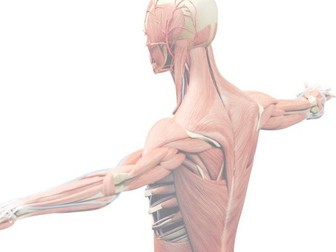
Covers A-Level PE spec points 1.1.1–1.1.8: muscle roles, contractions, levers, Newton’s laws, stability, warm-up responses, priming, and acute adaptations. This A-Level PE resource pack delivers a full suite of lessons covering the Muscular Skeletal System and Biomechanics, aligned with exam board specifications. It includes engaging PowerPoints, applied tasks, diagrams, and research-based activities to support student understanding and performance. What’s included: 1.1.1 – Muscular Skeletal System Overview: Identification of key bones and muscles. Types of joint movements and anatomical terms. Applied sport examples and enquiry-based tasks. 1.1.2 & 1.1.3 – Muscle Roles & Contractions: Explains agonist, antagonist, fixator, and synergist roles. Types of muscle contractions: isotonic, concentric, eccentric, and isometric. Stretch-shortening cycle and Lombard’s Paradox. Real-world sporting applications and challenges. 1.1.4 – 1.1.7 – Biomechanics: Lever systems (1st, 2nd, 3rd class) with diagrams and examples. Newton’s Laws of Motion applied to sport. Stability principles: centre of mass, line of gravity, balance. Mechanical advantage/disadvantage explained with sporting relevance. 1.1.8 – Acute Responses to Warm-Up & Priming: Structural and functional changes in muscular and skeletal systems. Effects of stretching (positive and negative) on performance. Priming exercises: definition, benefits, and sport-specific examples. Research tasks and critical analysis activities. Key Features: ✔ Fully editable PowerPoints with structured activities and tasks. ✔ Specification-aligned content for A-Level PE. ✔ Includes enquiry-based learning and applied sport examples. ✔ Supports understanding of movement, force, and performance. ✔ Ideal for classroom teaching, revision, or homework tasks. This resource helps students build a strong foundation in anatomy, biomechanics, and performance preparation. Perfect for OCR, AQA, or Edexcel A-Level PE courses.
Edexcel A-Level PE: 1.3.1–1.3.8 Neuromuscular System PackQuick View
Lessonresources75

Edexcel A-Level PE: 1.3.1–1.3.8 Neuromuscular System Pack

(0)
Covers Edexcel A-Level PE spec points 1.3.1–1.3.8: muscle fibre types, contraction physiology, fibre recruitment, adaptations, and neuromuscular responses. This A-Level PE resource pack provides a complete set of lessons covering the Neuromuscular System, aligned with Edexcel specification points 1.3.1 to 1.3.8. It includes detailed PowerPoints, diagrams, tasks, and applied examples to support student understanding and exam preparation. What’s included: 1.3.1 – 1.3.3 – Muscle Fibre Types & Function: Anatomy and physiology of the neuromuscular system. Characteristics and structure of slow twitch (Type I), fast oxidative glycolytic (Type IIa), and fast glycolytic (Type IIx) fibres. Suitability of fibre types for different sports and activities. 1.3.4 – 1.3.6 – Fibre Recruitment & Contraction: Fibre recruitment patterns: wave summation, tetanic contraction, spatial summation. Anatomy of the neuromuscular system: CNS, motor units, sarcomeres, actin, myosin, troponin, tropomyosin. Physiology of muscular contraction: sliding filament theory, all-or-none law, 5 stages of contraction, neuromuscular junction. 1.3.7 – 1.3.8 – Acute & Chronic Adaptations: Acute neuromuscular responses to warm-up and exercise. Long-term adaptations to training: structural and functional changes in muscle fibre characteristics. Links to training types (e.g. plyometrics, weights, continuous) and performance improvements. Key Features: ✔ Fully editable PowerPoints with structured activities and tasks. ✔ Specification-aligned content for Edexcel A-Level PE. ✔ Includes enquiry-based learning and applied sport examples. ✔ Supports understanding of muscle physiology, recruitment, and performance. ✔ Ideal for classroom teaching, revision, or homework tasks. This resource helps students build a strong foundation in neuromuscular anatomy and physiology, linking theory to practice in a range of sports. Perfect for Edexcel A-Level PE courses.
Edexcel A-Level PE: 1.2.1–1.2.9 Cardiovascular & Cardiorespiratory PackQuick View
Lessonresources75

Edexcel A-Level PE: 1.2.1–1.2.9 Cardiovascular & Cardiorespiratory Pack

(0)
This A-Level PE resource pack provides a complete set of lessons covering the Cardiovascular and Cardiorespiratory Systems, aligned with specification points 1.2.1 to 1.2.9. It includes detailed PowerPoints, diagrams, tasks, and applied examples to support student understanding and exam preparation. What’s included: 1.2.1 – Overview of Systems: Anatomy and physiology of the cardiovascular, circulatory, and respiratory systems. How systems function individually and together during physical activity. 1.2.2 – 1.2.4 – Respiratory System: Structure and function of the respiratory system: larynx, pharynx, trachea, bronchi, bronchioles, alveoli. Mechanics of breathing: inspiration, expiration, pressure gradients, partial pressure, diffusion. Respiratory volumes and capacities with average values and spirometry graphs. 1.2.5 – 1.2.7 – Cardiovascular System: Heart structure: atria, ventricles, valves, septum, SA/AV nodes, myocardium. Blood vessels: arteries, veins, capillaries – structure and function. Cardiac cycle, systemic/pulmonary circulation, vascular shunting, venous return. Heart rate values, stroke volume, cardiac output, and Karvonen’s formula. Bradycardia: causes, benefits, and physiological adaptations. 1.2.8 – 1.2.9 – Acute Responses & Lifestyle: Acute structural and functional responses of the cardiovascular and respiratory systems to warm-up and exercise. Effects of unhealthy lifestyle choices (e.g. smoking, poor diet, stress) on cardiorespiratory health. Strategies for improving lifestyle and cardiovascular health. Key Features: ✔ Fully editable PowerPoints with structured activities and tasks. ✔ Specification-aligned content for A-Level PE. ✔ Includes enquiry-based learning and applied sport examples. ✔ Supports understanding of anatomy, physiology, and performance. ✔ Ideal for classroom teaching, revision, or homework tasks.
Edexcel A-Level PE: 2.1.1–2.1.6 NutritionQuick View
Lessonresources75

Edexcel A-Level PE: 2.1.1–2.1.6 Nutrition

(0)
Covers Edexcel A-Level PE spec points 2.1.1–2.1.6: diet manipulation, hydration, supplements, energy balance, optimal weight, and performance nutrition strategies. This A-Level PE resource pack provides a complete set of lessons covering Diet & Nutrition, aligned with Edexcel specification points 2.1.1 to 2.1.6. It includes detailed PowerPoints, diagrams, tasks, and applied examples to support student understanding and exam preparation. What’s included: 2.1.1 – Dietary Manipulation for Performance: Nutrition strategies pre-, during, and post-activity. Macronutrients, hydration, recovery drinks, and fuel consumption. Application to different sports and performance goals. 2.1.2 – Optimal Weight for Performance: Energy intake vs expenditure. Basal metabolic rate, thermic effect of food, and energy balance. BMI, body fat %, DEXA scans, and performance-based assessments. 2.1.3 – Hydration & Electrolytes: Importance of hydration for performance and recovery. Electrolytes and osmolality: hypotonic, isotonic, and hypertonic drinks. Impact of dehydration and hyperhydration on performance. 2.1.4 – Supplementation: Role of supplements in energy, hydration, recovery, and fatigue delay. Examples: creatine, caffeine, whey protein, beetroot juice, sodium bicarbonate. Risks, benefits, and timing of use. 2.1.5 – Contemporary Supplements: Emerging products and trends in sports nutrition. Critical evaluation of supplement use and effectiveness. Research-based insights and athlete case studies. 2.1.6 – Nutrition Strategies for Performance: Carbohydrate loading, protein intake, hydration timing. Two-hour window of opportunity post-exercise. Sport-specific examples (e.g. marathon runners, rugby players). Key Features: ✔ Fully editable PowerPoints with structured activities and tasks. ✔ Specification-aligned content for Edexcel A-Level PE. ✔ Includes enquiry-based learning and applied sport examples. ✔ Supports understanding of nutrition, hydration, and performance. ✔ Ideal for classroom teaching, revision, or homework tasks. This resource helps students build a strong foundation in sports nutrition and dietary strategies, linking theory to practice across a range of sports. Perfect for Edexcel A-Level PE courses.
Edexcel A-Level PE: 2.2.1–2.2.13 Training & PreparationQuick View
Lessonresources75

Edexcel A-Level PE: 2.2.1–2.2.13 Training & Preparation

(0)
Covers Edexcel A-Level PE spec points 2.2.1–2.2.13: training principles, fitness components, intensity, recovery, altitude, heat, humidity, and technologies. This A-Level PE resource pack provides a complete set of lessons covering Preparation and Training Methods, aligned with Edexcel specification points 2.2.1 to 2.2.13. It includes detailed PowerPoints, diagrams, tasks, and applied examples to support student understanding and exam preparation. What’s included: 2.2.1 – Overview of Training Methods Purpose and impact of training on physical activity and performance. 2.2.5 – Components of Fitness Definitions and applications of VO₂ max, strength, power, flexibility, agility, coordination, etc. 2.2.6 – Principles of Training Individual needs, specificity, progressive overload, FITT, overtraining, reversibility. 2.2.7 – Measuring Intensity % of 1RM, RPE scales, functional intensity, work-to-rest ratios. 2.2.8 – Target Heart Rate & Karvonen’s Theory Heart rate reserve calculations and training zone planning. 2.2.9 – Contemporary Technologies GPS, heart rate monitors, video analysis, VR, recovery tech. 2.2.10 – Periodisation Macro, meso, and micro cycles. Preparation, competition, and transition phases. 2.2.11 – Methods of Training Interval, continuous, fartlek, circuits, weights, plyometrics, SAQ, flexibility, resistance, assisted, functional stability. 2.2.12 – Environmental Preparation Training and competing in altitude, heat, and humidity. Physiological adaptations and strategies for performance. 2.2.13 – Recovery Strategies Cooling down, massage, ice baths, compression clothing. Physiological mechanisms and critical evaluation. Key Features: ✔ Fully editable PowerPoints with structured activities and tasks. ✔ Specification-aligned content for Edexcel A-Level PE. ✔ Includes enquiry-based learning and applied sport examples. ✔ Supports understanding of training design, intensity, recovery, and performance. ✔ Ideal for classroom teaching, revision, or homework tasks. This resource helps students build a strong foundation in training methodology, environmental preparation, and recovery strategies. Perfect for Edexcel A-Level PE courses.
KS3 Christmas Around the World – Traditions & ActivitiesQuick View
Lessonresources75

KS3 Christmas Around the World – Traditions & Activities

(0)
KS3 festive lesson with global Christmas traditions, student tasks, cultural comparisons & interactive activities. Ideal for tutor time or end-of-term fun. Explore festive traditions from across the globe with this engaging KS3 Christmas Around the World resource. Designed to spark curiosity and celebrate diversity, this classroom-ready lesson introduces students to the wide range of cultural customs tied to the holiday season. What’s inside: Interactive PowerPoint covering global Christmas celebrations Creative student tasks including fact-finding, cultural comparisons & design activities Flexible format – ideal for end-of-term lessons, tutor time, or RE/Geography crossovers Students will reflect on how different communities mark the festive season, and discover unique traditions from countries such as Japan, Ethiopia, Mexico and more. A perfect way to blend fun, cultural awareness and critical thinking in a seasonal classroom experience!
World Mental Health Day Lessons KS3Quick View
Lessonresources75

World Mental Health Day Lessons KS3

(0)
Engaging KS3 lessons for World Mental Health Day. Includes Year 7 focus on emotions & wellbeing, plus Year 8/9 resilience scenarios & activities. Year 7 Lesson: Introduction to mental health and emotions. Students reflect on the link between physical and mental health, explore positive and negative emotions, and design an “Emotion Toolkit” to help manage challenges. Year 8 & 9 Lesson: A deeper exploration of resilience and how to cope with setbacks. Students discuss what good and poor mental health looks like, examine real-life challenges, and respond to a variety of resilience scenarios. Resilience Scenario Worksheet: Printable activity sheet with a wide range of scenarios (e.g., friendship issues, academic stress, online challenges) to spark meaningful discussion and problem-solving. Key Features: ✔ Fully prepared PowerPoints with structured activities, discussions, and plenary tasks. ✔ Covers important PSHE themes: emotions, coping strategies, resilience, friendships, stress, and online wellbeing. ✔ Suitable for World Mental Health Day or general PSHE lessons throughout the year. ✔ Adaptable for different year groups and abilities. ✔ Encourages reflection, peer discussion, and practical strategies for supporting mental wellbeing. This resource helps students not only understand mental health but also develop real-world coping strategies and resilience skills. Perfect for form time, PSHE, or assembly-linked lessons.
PSHE Recycling Week 2025 Lesson: Rescue MeQuick View
Lessonresources75

PSHE Recycling Week 2025 Lesson: Rescue Me

(0)
Interactive PSHE Recycling Week 2025 lesson on ‘Rescue Me’. Includes starter task, videos, facts, debate questions & engaging student activity. This complete PSHE lesson for Recycling Week 2025 focuses on the theme Rescue Me, helping students explore recycling, sustainability, and environmental responsibility. The resource includes: Do Now starter task to engage learners immediately. Interesting recycling facts to build awareness. Embedded videos to spark discussion. Debate questions to encourage critical thinking. Creative student activity to apply knowledge. Designed for KS3, this lesson promotes discussion, teamwork, and real-world learning about sustainability, climate change, and protecting our planet.
Life Skills Boost - Lesson SeriesQuick View
Lessonresources75

Life Skills Boost - Lesson Series

(0)
10 part lesson series - Explore sleep hygiene, self-efficacy, mindfulness, negative thoughts, assertiveness & more. Real-world KS3/KS4/KS5 videos, quizzes & reflection tasks. This multi-lesson series empowers KS3–KS5 students with essential life skills that support mental wellbeing, academic success, and personal growth. Through clear information, real-world scenarios, videos, and quizzes, students learn to identify and manage everyday challenges using practical psychology and self-awareness tools. Topics covered: Self-efficacy & goal setting Sleep hygiene & its academic impact Tackling catastrophising, rumination & negative thoughts Understanding courtesy bias in peer interactions Setting and respecting personal boundaries Building assertiveness and healthy communication Developing mindfulness, attention control & emotional balance Linking exercise to mental clarity & wellbeing Perfect for tutor time, PSHE blocks, or enrichment days, this series equips students to navigate their thoughts, habits, and relationships with confidence.