Freddy's Big Day Readers' Theatre UnitQuick View
Jackhwdsb

Freddy's Big Day Readers' Theatre Unit

(0)
Included in Freddy’s Big Day Readers’ Theatre Unit: 6 page script 7 characters 1-3 narrators 15 metacognitive/discussion questions 1 page explaining “What is Groundhog Day?” Student Success Criteria Student Friendly Goals Teacher’s Reader’s Theatre Checklist Freddy’s Big Day synopsis: Freddy’s parents have informed their son that this February 2nd, he will be popping out of his burrow and predicting the weather. Unfortunately, Freddy can be careless and reckless when he begins to dig; destroying other animals and insects homes in the process. Before he hibernates, Freddy begins to doubt his abilities and wonders if he can be famous for something else. Will Freddy be ready for his big day? Find out in Freddy’s Big Day Readers’ Theatre Unit! Mr. Marvel’s Musings: The metacognitive questions can also be answered in a class discussion. Written individual work or a class discussion. It depends on the grade I am teaching or if my time is limited in a librarian position. The questions can apply to both formats. Do not fear the reader’s theater format. Students love these adapted stories because they are listening to the story and they are a part of the story by playing a character within the story. Reader’s theatre inspires reluctant readers to join in the fun. The strongest and most advanced readers in your class will encourage other students to raise their hand and participate in the story. I also use reader’s theatre to add to my drama marks. I encourage teachers and instructors to allow students to practice their parts at home before they read in front of the class. They can try different voices and tones when they practice. It is also good for family bonding time. The student’s parent/guardian can play another role and they can read together. I hope you, and your students enjoy reading Freddy’s Big Day and continue to do so for many years. Happy Groundhog Day and Excelsior! Mr. Marvel: The King of Reader’s Theatre
Wake Up, Gregory! Readers' Theatre UnitQuick View
Jackhwdsb

Wake Up, Gregory! Readers' Theatre Unit

(0)
Included in the Wake Up, Gregory! Readers’ Theatre Unit: 6 page script 1-3 narrators 6 characters 15 metacognitive/discussion questions 1 page explaining “What is Groundhog Day?” Student Success Criteria Student Friendly Goals Teacher’s Reader’s Theatre Checklist Wake Up, Gregory synopsis: Gregory is a sleepy groundhog who just wants to stay in bed a little longer on February 2nd. Gregory’s sleep is interrupted as a line of his friends knock on his door, eager to hear his weather predicition. Gregory tells them to go away and to give him more time to rest. Will Gregory’s friends be able to wake up the sleepy groundhog before February 2nd is over, or will Gregory sleep through Groundhog Day? Find out in the Wake Up, Gregory! readers’ theatre unit. Mr. Marvel’s Musings: The metacognitive questions can also be answered in a class discussion. Written individual work or a class discussion. It depends on the grade I am teaching or if my time is limited in a librarian position. The questions can apply to both formats. Do not fear the reader’s theater format. Students love these adapted stories because they are listening to the story and they are a part of the story by playing a character within the story. Reader’s theatre inspires reluctant readers to join in the fun. The strongest and most advanced readers in your class will encourage other students to raise their hand and participate in the story. I also use reader’s theatre to add to my drama marks. I encourage teachers and instructors to allow students to practice their parts at home before they read in front of the class. They can try different voices and tones when they practice. It is also good for family bonding time. The student’s parent/guardian can play another role and they can read together. I hope you, and your students enjoy reading Wake Up, Gregory! and continue to do so for many years. Happy Groundhog Day and Excelsior! Mr. Marvel: The King of Reader’s Theatre
Punxsutawney Phil: The Fearless Forecaster Readers' Theatre UnitQuick View
Jackhwdsb

Punxsutawney Phil: The Fearless Forecaster Readers' Theatre Unit

(0)
Included in the Punxsutawney Phil: The Fearless Forecaster Readers’ Theatre Unit: 9 page script 1-3 narrators 4 characters 1 page explaining “What is Groundhog Day?” 14 groundhog questions with answers 2 pages explaining The History of Punxsutawney Phil Student Success Criteria Student Friendly Goals Teacher’s Reader’s Theatre Checklist Punxsutawney Phil: The Fearless Forecaster synopsis: The Weasel family and Mr. Fox have been roaming around Phil, and his family’s burrow. Fearing for their safety as they prepare for winter, Phil and his family renovate their burrow so that hungry predators do not sneak in. After helping his family prepare their burrow for the winter and joining them in a long nap beneath the cold Pennsylvania snow, Punxsutawney Phil emerges on Groundhog Day to predict the weather. Mr. Marvel’s Musings: The 14 groundhog questions will require research. I was going to make them multiple choice questions, but I decided to make them research questions. Do not fear the reader’s theater format. Students love these adapted stories because they are listening to the story and they are a part of the story by playing a character within the story. Reader’s theatre inspires reluctant readers to join in the fun. The strongest and most advanced readers in your class will encourage other students to raise their hand and participate in the story. I also use reader’s theatre to add to my drama marks. If the reader’s theatre format did not work for my students and I, then I would have stopped creating and adapting them years ago. Reluctant readers sometimes feel anxious looking at pages of text, whereas a reader’s theater script is broken up into narration and different characters speaking, thus making the story more accessible to those students who have not discovered the incredibly fun activity of reading for entertainment. I use shorter stories with minimal characters in literature circles.When can one make time for a reader’s theatre story in class? I hope you, and your students enjoy reading Punxsutawney Phil: The Fearless Forecaster and continue to do so for many years. Happy Groundhog Day and Excelsior! Mr. Marvel: The King of Reader’s Theatre

Geoff's Prediction Readers' Theatre UnitQuick View
Jackhwdsb

Geoff's Prediction Readers' Theatre Unit

(0)
Included in the Geoff’s Prediction Readers’ Theatre Unit: 6 page script 1-3 narrators 4 characters - 2 major characters & 2 supporting characters 1 page explaining “What is Groundhog Day?” 15 metacognitive questions Book review activity Student Success Criteria Student Friendly Goals Teacher’s Reader’s Theatre Checklist Geoff’s Prediction synopsis: Everyone in town is excited to hear Geoff the groundhog’s prediction. He has endorsement deals and is the talk of the town. Weather reporter Murray Cowling also depends on Geoff’s prediction for his ratings. On February 2nd, everyone stands by his burrow in anticipation, but what if Geoff doesn’t wake up in time? What happens when Geoff wakes up but he isn’t sure if he sees his shadow? Will it be an early spring or a long winter? What will happen to Murray’s ratings? Find out in the Geoff’s Prediction readers’ theatre unit! Do not fear the reader’s theater format. Students love these adapted stories because they are listening to the story and they are a part of the story by playing a character within the story. Reader’s theatre inspires reluctant readers to join in the fun. The strongest and most advanced readers in your class will encourage other students to raise their hand and participate in the story. I also use reader’s theatre to add to my drama marks. If the reader’s theatre format did not work for my students and I, then I would have stopped creating and adapting them years ago. Reluctant readers sometimes feel anxious looking at pages of text, whereas a reader’s theater script is broken up into narration and different characters speaking, thus making the story more accessible to those students who have not discovered the incredibly fun activity of reading for entertainment. I use shorter stories with minimal characters in literature circles.When can one make time for a reader’s theatre story in class? When I am not reading a reader’s theatre unit with my class, I usually reserve Friday’s for the reading of a one-off story. It is an event that the class looks forward to, since they do not know which story I will choose. Great for Librarians and small groups. I project the stories on the screen and assign characters in class. Some characters only have 1 line. A supporting character like that is perfect for a reluctant reader. I have read these stories remotely/online and in class/in-person. I encourage teachers and instructors to allow students to practice their parts at home before they read in front of the class. They can try different voices and tones when they practice. It is also good for family bonding time. The student’s parent/guardian can play another role and they can read together. I hope you, and your students enjoy reading Geoff’s Prediction and continue to do so for many years. Happy Groundhog Day and Excelsior! Mr. Marvel: The King of Reader’s Theatre
Carl the Groundhog Sells His Shadow Readers' Theatre UnitQuick View
Jackhwdsb

Carl the Groundhog Sells His Shadow Readers' Theatre Unit

(0)
Included in the Carl the Groundhog Sells His Shadow Readers’ Theatre Unit: 10 page script 1-3 narrators 10 characters - 4 Major Characters 1 page “What is Groundhog Day?” 18 metacognitive questions Book review activity Student Success Criteria Student Friendly Goals Teacher’s Reader’s Theatre Checklist Carl the Groundhog Sells His Shadow synopsis: Another February 2nd has ended in sighs and disappoinemt as Carl predicts six more weeks of winter. Carl the groundhog doesn’t like seeing the sad faces of the reporters when winter is extended so to ease the burden, he decides to sell his shadow. After the announcement, Freddy Fox offers to buy Carl’s shadow. Carl agrees and let’s Freddy Fox have it. What plans does Freddy Fox have for one of the most famous shadows in the world? How will Carl explain to his wife and friends that he no longer has a shadow? What will happen on the next Groundhog Day? Find out in Carl the Groundhog Sells His Shadow Readers’ Theatre Unit! Do not fear the reader’s theater format. Students love these adapted stories because they are listening to the story and they are a part of the story by playing a character within the story. Reader’s theatre inspires reluctant readers to join in the fun. The strongest and most advanced readers in your class will encourage other students to raise their hand and participate in the story. I also use reader’s theatre to add to my drama marks. If the reader’s theatre format did not work for my students and I, then I would have stopped creating and adapting them years ago. Reluctant readers sometimes feel anxious looking at pages of text, whereas a reader’s theater script is broken up into narration and different characters speaking, thus making the story more accessible to those students who have not discovered the incredibly fun activity of reading for entertainment. I use shorter stories with minimal characters in literature circles.When can one make time for a reader’s theatre story in class? When I am not reading a reader’s theatre unit with my class, I usually reserve Friday’s for the reading of a one-off story. It is an event that the class looks forward to, since they do not know which story I will choose. Great for Librarians and small groups. I project the stories on the screen and assign characters in class. Some characters only have 1 line. A supporting character like that is perfect for a reluctant reader. I have read these stories remotely/online and in class/in-person. I encourage teachers and instructors to allow students to practice their parts at home before they read in front of the class. They can try different voices and tones when they practice. It is also good for family bonding time. The student’s parent/guardian can play another role and they can read together. I hope you, and your students enjoy reading Carl the Groundhog Sells His Shadow and continue to do so for many years. Happy Groundhog Day and Excelsior! Mr. Marvel: The King of Reader’s Theatre

The Groundhog and the February Fox Readers' Theatre UnitQuick View
Jackhwdsb

The Groundhog and the February Fox Readers' Theatre Unit

(0)
Included in The Groundhog and the February Fox readers’ theatre unit: 1 page title “What is Groundhog’s Day?” 7 page script 1-3 narrators 2 characters 18 metacognitive questions Drawing conclusions activity Book review activity Student Success Criteria Student Friendly Goals Teacher’s Reader’s Theatre Checklist The Groundhog and the February Fox synopsis: Brownie the groundhog sees her shadow on her namesake day and expects six more weeks of winter. Unfortunately she meets a hungry fox who wants to eat her. Instead of becoming lunch, Brownie cleverly distracts the February Fox by having him do tasks around the forest. Brownie has held off the February Fox from being his breakfast and lunch, but can she distract the February Fox from being his dinner and until spring time? Find out in The Groundhog and the February Fox readers’ theatre unit! Do not fear the reader’s theater format. Students love these adapted stories because they are listening to the story and they are a part of the story by playing a character within the story. Reader’s theatre inspires reluctant readers to join in the fun. The strongest and most advanced readers in your class will encourage other students to raise their hand and participate in the story. I also use reader’s theatre to add to my drama marks. If the reader’s theatre format did not work for my students and I, then I would have stopped creating and adapting them years ago. Reluctant readers sometimes feel anxious looking at pages of text, whereas a reader’s theater script is broken up into narration and different characters speaking, thus making the story more accessible to those students who have not discovered the incredibly fun activity of reading for entertainment. I use shorter stories with minimal characters in literature circles.When can one make time for a reader’s theatre story in class? When I am not reading a reader’s theatre unit with my class, I usually reserve Friday’s for the reading of a one-off story. It is an event that the class looks forward to, since they do not know which story I will choose. Great for Librarians and small groups. I project the stories on the screen and assign characters in class. Some characters only have 1 line. A supporting character like that is perfect for a reluctant reader. I have read these stories remotely/online and in class/in-person. I encourage teachers and instructors to allow students to practice their parts at home before they read in front of the class. They can try different voices and tones when they practice. It is also good for family bonding time. The student’s parent/guardian can play another role and they can read together. I hope you, and your students enjoy reading The Groundhog and the February Fox and continue to do so for many years. Happy Groundhog’s Day and Excelsior! Mr. Marvel: The King of Reader’s Theatre

Too Much Mush German Folktale Readers' Theatre Unit with Rubric & QuestionsQuick View
Jackhwdsb

Too Much Mush German Folktale Readers' Theatre Unit with Rubric & Questions

(0)
Included in the Too Much Mush Readers’ Theatre Unit: 5 page script 1-3 narrators 3 characters 17 metacognitive questions Student Success Criteria Student Friendly Goals Teacher’s Reader’s Theatre Checklist Too Much Mush synopsis: Hannah and her mother are a poor and hungry family who dream of simple foods like a bowl of mush. One day, while foraging for food, Hannah finds an elderly lady in the forest who has a magic pot that can produce an endless supply of mush upon command. The pot will stop making food if the correct command is given. The elderly lady lets Hannah have the pot. Hannah and her mother enjoy their newfound abundance of food from the pot until one day, the mother uses the pot while Hannah is out but she forgets the specific command to make it stop. The entire village begins to flood full of mush. Will Hannah come home in time or will the village be a mush pit? Find out in the Too Much Mush readers’ theatre unit! Mr. Marvel’s Musings: The metacognitive questions can be answered in writing or orally. Thank you Mr. S for recommending this story! Do not fear the reader’s theater format. Students love these adapted stories because they are listening to the story and they are a part of the story by playing a character within the story. Reader’s theatre inspires reluctant readers to join in the fun. The strongest and most advanced readers in your class will encourage other students to raise their hand and participate in the story. I also use reader’s theatre to add to my drama marks. If the reader’s theatre format did not work for my students and I, then I would have stopped creating and adapting them years ago. Reluctant readers sometimes feel anxious looking at pages of text, whereas a reader’s theater script is broken up into narration and different characters speaking, thus making the story more accessible to those students who have not discovered the incredibly fun activity of reading for entertainment. I use shorter stories with minimal characters in literature circles.When can one make time for a reader’s theatre story in class? When I am not reading a reader’s theatre unit with my class, I usually reserve Friday’s for the reading of a one-off story. It is an event that the class looks forward to, since they do not know which story I will choose. Great for Librarians and small groups. I project the stories on the screen and assign characters in class. Some characters only have 1 line. A supporting character like that is perfect for a reluctant reader. I hope you, and your students enjoy reading Too Much Mush and continue to do so for many years. Excelsior! Mr. Marvel: The King of Reader’s Theatre
The Fisherman and his Wife Readers' Theatre UnitQuick View
Jackhwdsb

The Fisherman and his Wife Readers' Theatre Unit

(0)
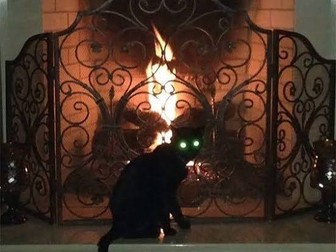
Included in the Fisherman and his Wife readers’ theatre unit: 13 page script 1, 2, or 3 narrators 3 characters 42 metacognitive questions Drawing conclusions activity Book review activity Student Success Criteria Student Friendly Goals Teacher’s Reader’s Theatre Checklist The Fisherman and his Wife synopsis: The Brothers Grimm present to us a story about greed and power. The fisherman is married to Ilsebell, a greedy woman who hungers for positions of power and material objects. The fisherman catches a flounder, who tells him that he is a magical prince and he will not taste good. The fisherman throws the magical flounder back into the water. Upon returning home, Ilsebell is not happy, saying that the magical flounder has to grant them wishes because the fisherman spared his life. Ilsebell asks her husband to ask the flounder for a cottage, and then a castle and then she wants to be the queen. As she asks for these things, the world around them becomes darker with natural disasters. Ilsebell then requests to control the universe despite her husband’s objections. Will Ilsebell control the universe? Will the fisherman stand up for himself and resist his wife’s hunger for power? What will happen to the world? Will the magic flounder become fed up with the constant extravagent wishes? Find out in The Fisherman and his Wife readers’ theatre unit! Mr. Marvel’s Musings: Thank you Mrs. W. for requesting this story. It is a truly timeless story. The metacognitive questions can be answered on paper/electronically or discussed. I hope you, and your students enjoy reading The Fisherman and his Wife and continue to do so for many years. Excelsior! Mr. Marvel: The King of Reader’s Theatre
Be Quiet, Pooh Bear! Readers' Theatre Script & RubricQuick View
Jackhwdsb

Be Quiet, Pooh Bear! Readers' Theatre Script & Rubric

(0)
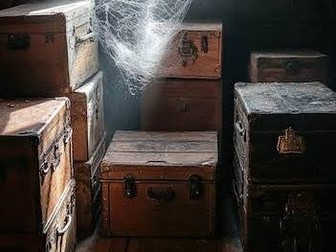
Included in the Be Quiet, Winnie the Pooh Readers’ Theatre Unit: 5 page script 3 narrators 2 characters Student Success Criteria Student Friendly Goals Teacher’s Reader’s Theatre Checklist Be Quiet, Winnie the Pooh synopsis: Every morning, after eating a jar of honey for breakfast, Pooh Bear likes to go for a walk and sing songs about his surroundings. No one minds this melodic activity except for Rabbit, who just wants to gain some extra sleep. In an effort to stifle the singing, Rabbit bans Winnie the Pooh from singing FOREVER! Will Winnie the Pooh be able to convince the tyrranical Rabbit that singing in the morning is a good thing? Find out in the Be Quiet, Winnie the Pooh Readers’ Theatre unit! Mr. Marvel’s Musings: -Up to 3 narrators are possible. 1 or 2 may also work for this script. -Winnie the Pooh does sing a few songs that range between 2-4 lines. A simple melody will make the songs sound fine :) I hope you, and your students enjoy reading Be Quiet, Winnie the Pooh and continue to do so for many years. Excelsior and Happy New Year! Mr. Marvel: The King of Reader’s Theatre

Jake & Finn: Bad Jubies Readers' Theatre Unit Story & RubricsQuick View
Jackhwdsb

Jake & Finn: Bad Jubies Readers' Theatre Unit Story & Rubrics

(0)
Included in the Jake & Finn: Bad Jubies Readers’ Theatre Unit: 12 page script 5 characters + the narrator 43 metacognitive questions Drawing conclusions activity Book review activity Student Success Criteria Student Friendly Goals Teacher’s Reader’s Theatre Checklist Jake & Finn: Bad Jubies synopsis: Finn and his friends are preparing for a mega thunderstorm. Finn builds a bunker while BMO and Lumpy Space Princess gather food and resources. Meanwhile, Jake appears to be lazy. Insead of helping his friends, Jake is chirping with the birds, croaking with the frogs and gazing up at the clouds. On the day of the storm, everyone asks Jake what he brought into the bunker to contribute to their survival. Jake says it is a surprise but no one believes him. Does Jake have anything to offer his friends during the storm or will he have negative vibes/bad jubies poured on him in the bunker from his friends? Find out in the Jake & Finn: Bad Jubies readers’ theatre unit! Mr. Marvel’s Musings: Thank you to my friend Paul for recommending this story. It has laughs and a good lesson. Instead of running around or being on your phone, take the time to appreciate nature once in a while. You won’t appreciate the things we see everyday when they are gone.
When Santa Claus Lost His Job to A.I. Readers' Theatre UnitQuick View
Jackhwdsb

When Santa Claus Lost His Job to A.I. Readers' Theatre Unit

(0)
Included in the When Santa Claus Lost His Job to A.I. Readers’ Theatre Unit: 13 page script 1-3 narrators 7 characters 22 questions about artificial intelligence Student Success Criteria Student Friendly Goals Teacher’s Reader’s Theatre Checklist When Santa Claus Lost His Job to A.I. synopsis: Santa Claus is really good at his job; but a few elves see their boss as too slow in his later years. They want a faster and more efficient Santa Claus. Enter Sam the Elf and his latest creation: an A.I. Santa Claus that he calls the Deliverator! The elves are split: should they use the Deliverator this year or have Santa Claus keep his job. A test will decide the winner. Who will win? An A.I. robot or jolly ol’ Saint Nick? Find out in the How Santa Claus Lost His Job to A.I. Readers’ Theatre Unit! Mr. Marvel’s Musings: -I sometimes ask the students to draw what they think the Deliverator looks like. The story is vague on what the robot looks like, so it gives the students plenty of room to be creative. Designs have included scary Terminator-based depictions; a robot Santa with red eyes, and a spider-like robot. -Sam the Elf was named after Sam Altman of OpenAI. I kept his name short for Sam. -The Deliverator’s voice should sound robotic. I did have one female student make the Deliverator sound cute. Ideally, I hear his voice in Arnold Schwarzenegger’s tone from the Terminator movies. -The narrators can be collapsed into 1 or 2. 3 fits my class size. I hope you, and your students enjoy reading When Santa Claus Lost His Job to A.I. and continue to do so for many years. Excelsior and Merry Christmas! Mr. Marvel: The King of Reader’s Theatre
A Steamroller for Christmas Readers' Theatre Unit -Questions & RubricsQuick View
Jackhwdsb

A Steamroller for Christmas Readers' Theatre Unit -Questions & Rubrics

(0)
Included in A Steamroller for Christmas Readers’ Theatre Unit: 9 page script 1, 2, or 3 Narrators 1 Main Character and 8 Supporting Characters 40 Metacognitive Questions Book review activity Student Success Criteria Student Friendly Goals Teacher’s Reader’s Theatre Checklist A Steamroller for Christmas synopsis: Daisy has received the strangest Christmas gift from her parents: a steamroller! Filled with joy and curiosity, Daisy enters the steamroller and begins rumbling down the street. Unfortunately, she doesn’t know how to stop the steamroller, so she begins squashing objects and people throughout the city: pigs, chickens, her teacher, a bus, her friends and even Aunt Chelsey! Oh, great; and now her best friend is down the street. Will Daisy figure out how to stop the steamroller in time? What else will she run over, and what will be the consequences? Find out in A Steamroller for Christmas readers’ theatre unit! SQUASH! Mr. Marvel’s Musings: -Daisy does SQUASH animals and people but it is not graphic. The aftermath of a squash when Daisy looks back is compared to a pancake. Much like what would be seen in a Looney Tunes cartoon. No blood or graphic descriptions. No one dies in this story (just like the Looney Tunes; they come back) -Daisy’s character has the most dialogue. -The narrators can be collapsed into 1 or 2. 3 fits my class size. Do not fear the reader’s theater format. Students love these adapted stories because they are listening to the story and they are a part of the story by playing a character within the story. Reader’s theatre inspires reluctant readers to join in the fun. The strongest and most advanced readers in your class will encourage other students to raise their hand and participate in the story. I also use reader’s theatre to add to my drama marks. I hope you, and your students enjoy reading A Steamroller for Christmas and continue to do so for many years. Excelsior and Merry Christmas! Mr. Marvel: The King of Reader’s Theatre
Snow White's ChristmasQuick View
Jackhwdsb

Snow White's Christmas

(0)
Included in the Snow White’s Christmas Readers’ Theatre Unit: 8 page script 1, 2, or 3 Narrators 7 Characters Student Success Criteria Student Friendly Goals Teacher’s Reader’s Theatre Checklist Snow White’s Christmas synopsis: The seven dwarfs are preparing for Snow White’s Christmas visit. Dopey decides to sneak away into the forest so he can walk Snow White to the dwarf’s home. Unfortunately, a snow storm passes by and traps Dopey in the forest. The other dwarfs worry about Dopey and decide to look for him. Will the dwarfs be able to find Dopey, and will Snow White be able to make it to Dwarfs’ home safely? Find out in Snow White’s Christmas Readers’ Theatre Unit! Try reading the preview with your students. Do not fear the reader’s theater format. Students love these adapted stories because they are listening to the story and they are a part of the story by playing a character within the story. Reader’s theatre inspires reluctant readers to join in the fun. The strongest and most advanced readers in your class will encourage other students to raise their hand and participate in the story. I also use reader’s theatre to add to my drama marks. If the reader’s theatre format did not work for my students and I, then I would have stopped creating and adapting them years ago. Reluctant readers sometimes feel anxious looking at pages of text, whereas a reader’s theater script is broken up into narration and different characters speaking, thus making the story more accessible to those students who have not discovered the incredibly fun activity of reading for entertainment. I use shorter stories with minimal characters in literature circles.When can one make time for a reader’s theatre story in class? When I am not reading a reader’s theatre unit with my class, I usually reserve Friday’s for the reading of a one-off story. It is an event that the class looks forward to, since they do not know which story I will choose. Great for Librarians and small groups. I project the stories on the screen and assign characters in class. Some characters only have 1 line. A supporting character like that is perfect for a reluctant reader. I have read these stories remotely/online and in class/in-person. I encourage teachers and instructors to allow students to practice their parts at home before they read in front of the class. They can try different voices and tones when they practice. It is also good for family bonding time. The student’s parent/guardian can play another role and they can read together. I hope you, and your students enjoy reading Snow White’s Christmas and continue to do so for many years. Excelsior and Merry Christmas! Mr. Marvel: The King of Reader’s Theatre

A White Christmas Vacation Readers' Theatre Script & RubricsQuick View
Jackhwdsb

A White Christmas Vacation Readers' Theatre Script & Rubrics

(0)
Included in the A White Christmas Vacation Unit: 8 page script 1 - 3 narrators 10 characters Book review activity Student Success Criteria Student Friendly Goals Teacher’s Reader’s Theatre Checklist A White Christmas Vacation synopsis Donald’s nephews: Huey, Dewey, and Louie, want to spend Christmas in the snowy mountains so they can go skiing and sledding. Donald would rather stay at home where it is cozy and warm. Will the boys get their snowy white Christmas, or will they have to settle with Donald’s staycation? Find out in A White Christmas Vacation readers’ theatre unit! Do not fear the reader’s theater format. Students love these adapted stories because they are listening to the story and they are a part of the story by playing a character within the story. Reader’s theatre inspires reluctant readers to join in the fun. The strongest and most advanced readers in your class will encourage other students to raise their hand and participate in the story. I also use reader’s theatre to add to my drama marks. If the reader’s theatre format did not work for my students and I, then I would have stopped creating and adapting them years ago. Reluctant readers sometimes feel anxious looking at pages of text, whereas a reader’s theater script is broken up into narration and different characters speaking, thus making the story more accessible to those students who have not discovered the incredibly fun activity of reading for entertainment. I use shorter stories with minimal characters in literature circles.When can one make time for a reader’s theatre story in class? When I am not reading a reader’s theatre unit with my class, I usually reserve Friday’s for the reading of a one-off story. It is an event that the class looks forward to, since they do not know which story I will choose. Great for Librarians and small groups. I project the stories on the screen and assign characters in class. Some characters only have 1 line. A supporting character like that is perfect for a reluctant reader. I have read these stories remotely/online and in class/in-person. I encourage teachers and instructors to allow students to practice their parts at home before they read in front of the class. They can try different voices and tones when they practice. It is also good for family bonding time. The student’s parent/guardian can play another role and they can read together. I hope you, and your students enjoy reading A White Christmas Vacation and continue to do so for many years. Excelsior and Merry Christmas! Mr. Marvel: The King of Reader’s Theatre

Uncle Scrooge Saves Christmas Readers' Theatre UnitQuick View
Jackhwdsb

Uncle Scrooge Saves Christmas Readers' Theatre Unit

(0)
Included in the Uncle Scrooge Saves Christmas Readers’ Theatre Unit: 8 page script 1-4 Narrators & 7 Characters Book review activity Student Success Criteria Student Friendly Goals Teacher’s Reader’s Theatre Checklist Uncle Scrooge Saves Christmas synopsis: Donald plans on visiting Grandma Duck for Christmas with his family. He invites Uncle Scrooge, but his dear old uncle has no interest in the holidays. On Christmas day, Donald and his family’s car stall near Uncle Scrooge’s house. Will Scrooge be of any help to his nephew, or will he make them walk to Grandma’s house? (The title is an indicator :) ) Find out in Uncle Scrooge Saves Christmas Readers’ Theatre Unit. Mr. Marvel’s Musings: There is the possiblity of 4 narrators, but those 4 narrators could be condensed to 1, 2 or 3 narrators. Do not fear the reader’s theater format. Students love these adapted stories because they are listening to the story and they are a part of the story by playing a character within the story. Reader’s theatre inspires reluctant readers to join in the fun. The strongest and most advanced readers in your class will encourage other students to raise their hand and participate in the story. I also use reader’s theatre to add to my drama marks. If the reader’s theatre format did not work for my students and I, then I would have stopped creating and adapting them years ago. Reluctant readers sometimes feel anxious looking at pages of text, whereas a reader’s theater script is broken up into narration and different characters speaking, thus making the story more accessible to those students who have not discovered the incredibly fun activity of reading for entertainment. I use shorter stories with minimal characters in literature circles.When can one make time for a reader’s theatre story in class? When I am not reading a reader’s theatre unit with my class, I usually reserve Friday’s for the reading of a one-off story. It is an event that the class looks forward to, since they do not know which story I will choose. Great for Librarians and small groups. I project the stories on the screen and assign characters in class. Some characters only have 1 line. A supporting character like that is perfect for a reluctant reader. I have read these stories remotely/online and in class/in-person. I encourage teachers and instructors to allow students to practice their parts at home before they read in front of the class. They can try different voices and tones when they practice. It is also good for family bonding time. The student’s parent/guardian can play another role and they can read together. I hope you, and your students enjoy reading Uncle Scrooge Saves Christmas and continue to do so for many years. Excelsior and Merry Christmas! Mr. Marvel: The King of Reader’s Theatre
How the Grinch Stole Christmas (1966) Readers' Theatre UnitQuick View
Jackhwdsb

How the Grinch Stole Christmas (1966) Readers' Theatre Unit

(0)
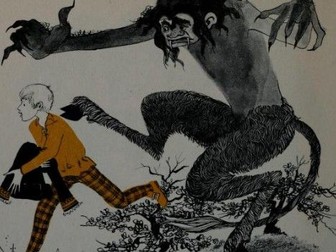
Included in the How the Grinch Stole Christmas (1966) Readers’ Theatre Unit: 8 page script 5 characters 1 page of trivia 24 page quiz with answers Write a Verse about the Grinch activity 4 pages detailing how to make a Grinch paper craft 1 template 5 Writing Activities Student Success Criteria Student Friendly Goals Teacher’s Reader’s Theatre Checklist Mr. Marvel’s Musings: A highly requested adaptation every year, and it is finally here. The 1966 adaptation of the beloved Grinch complete with lyrics. My class will be performing this script for the Christmas assembly. I will also add a slideshow that we will use a backdrop for the performance. -For the role of Whoville, you can include the other students who do not have a role or everyone can sing the verses. -I had altering students sing the “You’re a Mean One…” song due to popular demand. If your students are shy, then one singer is fine. It is easy to modify and accomodate this script. The words can also be spoken if you have a shy/quiet group for this performance.
A Lion in the Night Readers' Theatre Script & RubricQuick View
Jackhwdsb

A Lion in the Night Readers' Theatre Script & Rubric

(0)
Included in the A Lion in the Night Readers’ Theatre Unit: 5 page script 4 narrators & 8 Characters Student Success Criteria Student Friendly Goals Teacher’s Reader’s Theatre Checklist A Lion in the Night synopsis: A baby in a royal household is frustrated by being stuck in her crib. One night, the baby makes a wish, and her toy lion grows into a real, enormous lion. The baby climbs onto the lion’s back, and they escape the castle together. A wild chase ensues, as the household staff—including the Queen, the King, the Admiral, the Captain, the General, the Sergeant, and even the little dog—discover the baby is gone and pursue the lion across various landscapes, including fields, forests, oceans, and mountains. Will the royal family be able to subdue the lion and rescue their baby? Find out in the A Lion in the Night Readers’ Theatre script! I hope you, and your students enjoy reading A Lion in the Night and continue to do so for many years. Excelsior! Mr. Marvel: The King of Reader’s Theatre
Henny Penny Readers' Theatre Script & RubricQuick View
Jackhwdsb

Henny Penny Readers' Theatre Script & Rubric

(0)
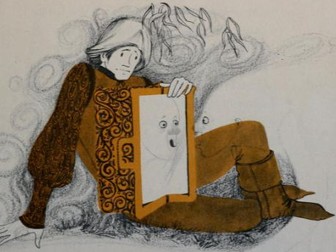
Included in the Henny Penny Readers’ Theatre Unit: 4 page script 3 narrators (this role can be condensed to 1 or 2) 6 characters Student Success Criteria Student Friendly Goals Teacher’s Reader’s Theatre Checklist Henny Penny synopsis: A chicken named Henny Penny believes the sky is falling after an acorn hits her on the head. She sets out to warn the king and gathers other animals like Rocky Locky, Ducky Lucky, and Goosey Loosey. Along the way they meet Foxy Loxy who says the king is meeting him at his home for dinner. Foxy Loxy invites Henny Penny and her friends over to his place. Can Henny Penny and her friends trust Foxy Loxy? Will the king really be at his place? Find out in the Henny Penny readers’ theatre story! I hope you, and your students enjoy reading Henny Penny and continue to do so for many years. Excelsior! Mr. Marvel: The King of Reader’s Theatre

The Enormous Turnip Readers' Theatre Script & RubricQuick View
Jackhwdsb

The Enormous Turnip Readers' Theatre Script & Rubric

(0)
Included in The Enormous Turnip Readers’ Theatre Unit: 7 page script 4 narrators and 6 characters The Enormous Turnip synopsis: An elderly couple see an enormous turnip in their garden. They try to pull it out but they are not strong enough. The elderly couple enlist the help of their neighbours (both human and animals) to help them pull out the turnip so that they can make soup with it. Will the elderly couple and their new friends be able to pull out the turnip for their soup that evening? Find out in The ENORMOUS Turnip readers’ theatre unit! I have read these stories remotely/online and in class/in-person. I encourage teachers and instructors to allow students to practice their parts at home before they read in front of the class. They can try different voices and tones when they practice. It is also good for family bonding time. The student’s parent/guardian can play another role and they can read together. Do not fear the reader’s theater format. Students love these adapted stories because they are listening to the story and they are a part of the story by playing a character within the story. Reader’s theatre inspires reluctant readers to join in the fun. The strongest and most advanced readers in your class will encourage other students to raise their hand and participate in the story. I also use reader’s theatre to add to my drama marks. If the reader’s theatre format did not work for my students and I, then I would have stopped creating and adapting them years ago. Reluctant readers sometimes feel anxious looking at pages of text, whereas a reader’s theater script is broken up into narration and different characters speaking, thus making the story more accessible to those students who have not discovered the incredibly fun activity of reading for entertainment. I use shorter stories with minimal characters in literature circles. I hope you, and your students enjoy reading The ENORMOUS Turnip and continue to do so for many years. Excelsior! Mr. Marvel: The King of Reader’s Theatre

My Neighbour is a Witch Readers' Theatre Unit - BullyingQuick View
Jackhwdsb

My Neighbour is a Witch Readers' Theatre Unit - Bullying

(0)
Included in the My Neighbour is a Witch Readers’ Theatre Unit: 9 page script 8 characters + the narrator Drawing conclusions activity Book review activity Student Success Criteria Student Friendly Goals Teacher’s Reader’s Theatre Checklist My Neigbour is a Witch synopsis: David is trick-or-treating with his friends. When they pass by David’s neighour’s home, his friends dare him to prank Mrs. Oliver. The neigbourhood kids believe she is a witch. They want David to ring her doorbell and run away. Feeling peer pressure, David goes up the stairs of Mrs. Oliver’s porch when he trips on something. When David looks at the ground, what he witnesses will change his perception of Mrs. Oliver from now on. What did David discover? Find out in My Neighbour is a Witch! Mr. Marvel’s Musings: David is bullied by his friends and they in turn make up rumours about Mrs. Oliver. One of the kids says that she thinks Mrs. Oliver poisoned her cat. Spoiler: David finds Mrs. Oliver laying on the front of her porch in the dark after having a medical episode. I hope you, and your students enjoy reading My Neighbour is a Witch and continue to do so for many years. Excelsior! Mr. Marvel: The King of Reader’s Theatre
The Button Readers' Theatre Unit - SuspenseQuick View
Jackhwdsb

The Button Readers' Theatre Unit - Suspense

(0)
Included in The Button Readers’ Theatre Unit: 15 page script 4 characters + the narrator 10 synonym/antonym questions 38 comprehension questions with selected answers (this story brings up more questions than it answers. It proves to be an interesting class discussion) 18 multiple choice questions with 4 possible answers 27 metacognitive questions Drawing conclusions activity Book review activity 25 book report questions with rubric Student Success Criteria Student Friendly Goals Teacher’s Reader’s Theatre Checklist The Button synopsis: Norma and Arthur Lewis are a married couple who receive a mysterious box with a button from a man named Mr. Steward. Steward tells them they will receive $50,000 if the button is pressed, but it will cause the death of a stranger. Norma feels intrigue towards the idea, while Arthur is offended by it. The story details the couples moral debate over whether to press the button as an answer to their financial struggles. The temptation and selfishness brought on by the button causes conflict between Norma and Arthur. Will the button be pushed or are the Lewis’ moral compasses too strong? Find out in The Button readers’ theatre unit! Mr. Marvel’s Musings: I would like to thank R.G. for asking for this unit. This story goes by 3 titles, and went with the title R.G. wanted. Thanks again, dear reader! I hope you, and your students enjoy reading The Button and continue to do so for many years. Excelsior! Mr. Marvel: The King of Reader’s Theatre