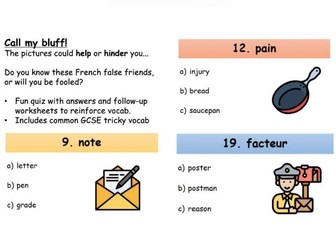
**Call My Bluff style Quiz to practice false friends in French **
Includes tricky vocab that often comes up in the GCSE papers
With images and a multiple choice answers on each slide - will you be fooled?
Ideal for end of term educational fun!
Includes answers, and follow up worksheets (with different levels of scaffolding/challenge) to reinforce vocabulary knowledge.
This is a Vocabulary/Homework booklet and it is designed for the 2024 Edexcel GCSE. However, it can be used for any students studying the topics. It is part of a series of booklets which cover the vocabulary from the Edexcel prescribed list.
The booklets are designed to be interactive and to encourgage the students to use the vocabulary in a variety of different contexts.
The booklets are divided into sub-topics. Each sub-topic starts with a vocabulary list and then leads into a variety of exercises from fill-in-the-blanks, wordsearches, crosswords, reading tasks and translations to verb conjugation drills. Each activity aims to solidify understanding and retention.
Each booklet finishes with 2 exam-style writing tasks (Edexcel and AQA): describe a photo and a 80-90 word written task.
All answers are at the back.
There is a template link at the back of the workbook. You can edit the workbook by following the template link. Any questions of feedback, email me at TutorAlexandraABC@gmail.com
OTHER BOOKLETS IN THE SERIES ARE:
My Neighbourhood and House
Food and Drink
French Basics (free)
School
Jobs, work and future opportunities
Social Media, Gaming, TV and Music
This goes well with:
French Present Tense Lesson and Booklet
French Perfect Tense: Avoir and Etre Lessons and Booklet
French Future Tenses Lessons and Booklet
French Tenses Booklet - an Overview of all tenses!
French Comparatives and Superlatives
French Conditional Grammar Lesson
Save on the French Grammar Lesson Bundle!
French GCSE Grammar Lessons and Workbooks
If you have any questions or feedback, please email me on: TutorAlexandraABC@gmail.com and if you like my resources, please leave a review! Thank you!
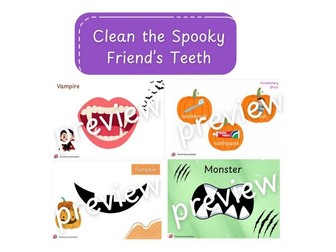
Laminate and draw on the teeth using whiteboard pens. Children can then use a toothbrush to clean the teeth.
This resource provides:
5 spooky friend’s teeth
Vocabulary displayed on pumpkins
Table sign
Blank table sign
This resource particularly supports:
Understanding of oral hygiene
Vocabulary
Fine-motor control
Hand-eye coordination
Encourage healthy self-care routines
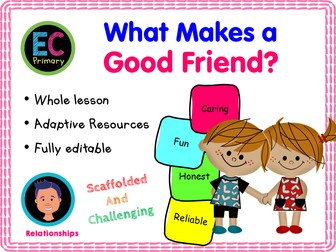
Being a good friend KS1 PSHE lesson.
A one-hour long, very detailed, fully resourced PSHE lesson suitable for KS1. This lesson has been created for Year 2, however, the activities may also be suitable for younger KS2 children (Year 3).
In this lesson, the students will learn what makes someone a good friend. We will discuss the qualities and characteristics that we look for in a friend and reflect on the benefits of having friends who are different from us.
The lesson includes a case study starter, a story with accompanying questions, a friendship tower activity, a reflection task and a plenary.
Created to fit the new DfE and PSHE Association statutory 2020 /21 guidelines, the lesson includes a detailed PowerPoint, all editable with accompanying tasks and worksheets.
The lesson has been left editable and is filled with engaging, well differentiated and fun activities. It is designed to be ‘no prep’, so you can just pick it up and use it, although it is still adaptable should you wish to.
Who are EC Resources?
EC Resources are the top TES PSHE providers and are a group of teachers who work together to create easy to use, high quality and editable lessons and units of work. We have created lessons for The Children’s Commissioner, The Bank of England, MACS Charity, Tes, LikeToBe Careers, the Criminal Cases Review Commission (UK Gov) and have also completed PSHE and Citizenship commissions for schools across the UK.
You can contact us at info@ecpublishing.co.uk
Teaching PSHE, RE or Citizenship GCSE next year? Why not join our Citizenship and PSHE teachers Facebook group, with 8000 other teachers, for guidance, advice and resource sharing.
A set of Comprehension questions based on the sixth chapter (Chapter 6) of “Friend or Foe” by Micheal Morpurgo. There are three sets of differentiated questions including a set of questions which have sentences with key words/information missing for children to complete using a word bank for lower ability/SEN children.
How to make friends & what is a good Friend - Primary Careers / PSHE . A fully-resourced editable PowerPoint lesson for Ks2 Students (1 hour +) which can be used by teachers to deliver a detailed workshop / session on the importance of this topic.
Learning Outcomes:
“To understand why we have friends To be able to explain how to make friends To consider how to be a good friend”
Key terms
Characteristics, Trustworthy, Empathy, Loyalty
Homework Activity
“The next time you see someone playing on their own, go over, say hi and offer to play with them. Afterwards, answer the following questions: What was the person playing Why did you want to play with them How did you feel when you approached them How did you feel after the interaction”
Each Lesson Pack Contains:
1 Fully Editable Careers PowerPoint (Learning Outcomes, Confidence Checkers, Assessment of Learning, Variety of Tasks, Video Embedded URL Clips, Engaging Premium Quality Slides, Extra Support Websites, Challenging & Thoughtful Questioning)
Assessment Opportunity (Confidence Checker)
The lesson includes a detailed PowerPoint, variety of student facing tasks and comprehension tasks These resources have been designed to be engaging, informative and pick up and teach.
Why not check out some of our latest super bundles below:
Personal Finance as a young Adult
Online Safety + Staying Safe
British Values Explored Bundle
If you need any support with this lesson or would like to find out more about what Cre8tive Resources can offer your school please email: thecre8tiveresources@gmail.com
.
This lesson is part of a brand new range of Primary Careers and Primary PSHE resources for schools.
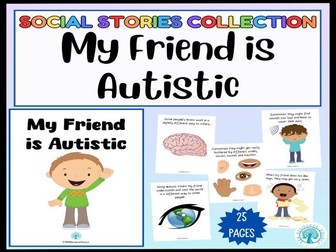
This social story is designed to help children understand what Autism is and how it may affect a friend with ASD. Using simple, friendly language and supportive illustrations, it aims to build empathy and encourage positive interactions.
This story is a valuable resource for parents, teachers, and caregivers, helping children learn how to support and understand their peers with Autism, creating a more inclusive and compassionate environment.
Why Is This Social Story Helpful?
Social stories use a gentle and reassuring tone to teach children about social situations in a way that’s easy to understand. They are particularly useful for:
• Children who struggle to grasp social concepts.
• Learning social skills, social cues, and appropriate responses.
• Providing guidance on expectations, emotions, and problem-solving.
• Supporting autistic children who may find social interactions challenging and benefit from clear, structured explanations.
How to Use This Story Effectively
• Create a focused environment – Read the story in a quiet space with minimal distractions.
• Read it regularly – Start by reading it twice, then revisit it often to reinforce learning.
• Incorporate it into daily routines – Use the story as part of a structured schedule.
• Use it when needed – If the child struggles with apologising, read the story at relevant moments (without making it feel like a punishment).
• Encourage and praise – Keep the experience positive, reinforcing good behavior with encouragement.
Durability & Reusability
For long-term use, consider laminating and binding the pages or placing them in a display book. This allows for repeated reading and reinforcement, making the lesson more effective over time.
Narrative unit of work based on Friend or Foe by Michael Morpurgo. Includes at least 10 days planning, supporting PPTs, exemplar story, story maps and chapter-by-chapter comprehension questions.
Lesson based on the amazing film ’ New Boy’. Expect tears and laughs and importantly, results . If nothing else watch the film and there’s a fantastic chance to make a difference with this resource…
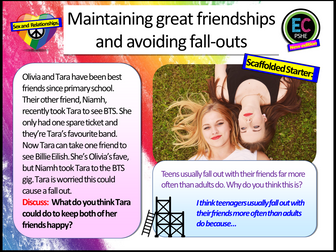
FOR NEW 2026 RSHE GUIDANCE - coverage cited in lesson plan (included). Two-hour friendship / being a good friend and managing fall-outs PSHE / RSE lesson. Everything is editable. engaging and easy to follow, with a variety of activities, from scaffolded written tasks, clip tasks, a game, creative tasks, active tasks, case study analysis and much more. Lesson plan included.
Students will investigate what personal qualities we need to be a good friend, how to differentiate good, genuine friendship groups from toxic ones as well as how we can be a good friend online, when our friends need us most. Created for new 2026 onward RSHE guidance, taken from the EC Publishing Complete 2026 PSHE Package (available with a quick Google).
Who are EC Resources?
EC Resources are the top TES PSHE providers and are a group of teachers who work together to create easy to use, high quality and editable lessons and units of work. We have created lessons for The Children’s Commissioner, The Bank of England, The British Legion, MACS Charity, Tes, LikeToBe Careers, the Criminal Cases Review Commission (UK Gov) and have also completed PSHE and Citizenship commissions for schools across the UK.
Please visit my Tes store https://www.tes.com/teaching-resources/shop/EC_Resources for everything PSHE, RSE, RE and Citizenship.
email info@ecpublishing.co.uk
Check out our PSHE Packages on Tes here:
Complete KS3 PSHE and RSE
Complete KS4 PSHE and RSE
Complete KS5 PSHE and RSE
One Year of Citizenship and British Values
Complete KS3 RE
Complete Careers and Employability
AQA Citizenship GCSE Mega Pack
Teaching PSHE, RE or Citizenship GCSE next year? Why not join our Citizenship and PSHE teachers Facebook group, with 12,000 other teachers, for guidance, advice and resource sharing.
A set of Comprehension questions based on the first half of the fourth chapter (Chapter 4) of “Friend or Foe” by Micheal Morpurgo. There are three sets of differentiated questions including a set of questions which have sentences with key words/information missing for children to complete using a word bank for lower ability/SEN children.
‘My little Books’- designs to support children’s writing and story telling skills.
Super Vegetables and Super Fruits to inspire writing. Blank book for children to design their own.
Links well to a theme about Superheroes / Growing
These little books are perfect for little hands and to put around different provision areas in your classroom or use in an adult focused writing session.
Print off on A4 or A3, fold in half and half again. The bottom half of each page has space for children to write linked to the images on lines.
See classroom photos using my resources @inspireplaycreate_eyfs
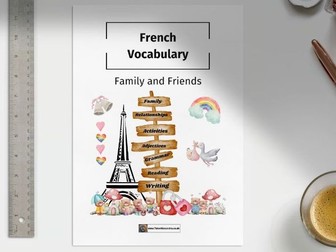
I have created this pack to build up vocabulary, apply adjective agreement and practice translation and writing on describing family, friends and self. It also includes basic relationships descriptions. It is designed so students can work their way through the pack independently, but could be used in class or as flipped learning with formative assessment in class. It includes:
links to various quizlets - with clear instructions on option settings,
reading comprehension,
transcription,
translations,
writing activities,
kahoots links.
Enough to keep students busy for 4 to 6 lessons, depending on ability. Inspired by the RAM / LAM principles advocated by G. Conti, I reworked my existing quizzes and worksheets.
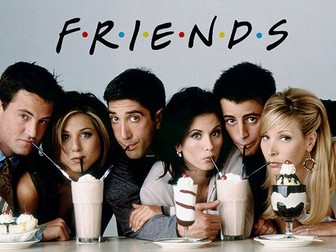
This booklet should help understand Media Language, Representation, Audience and Industry for the Set product Friends. It can also be used as a revision tool or a homework booklet if needed.
Describing family members and friends, matching adjectives with English. Begins with colouring-in task to suit middle or low ability KS4 students, with progression to paragraphs and writing frame. Suitable for cover lesson. Maps to Metro 4, Module 2 or Expo Rouge/Vert, Module 1.
 Quick View

 Quick View
 Quick View
 Quick View
 Quick View
![Friend or Foe Comprehension [Chapter 6]](https://l.imgt.es/resource-preview-imgs/addfb235-bde7-4081-a528-210c2b3270ce%2Ffriendorfoe.crop_183x137_0%2C70.preview.webp?profile=res-img-med-legacy-v2) Quick View
Quick View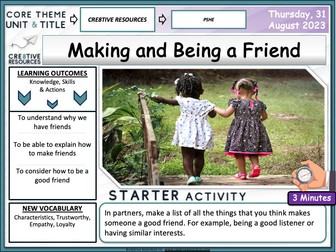 Quick View
 Quick View
 Quick View
 Quick View
![Friend or Foe Comprehension [Chapter 4] [Part One]](https://l.imgt.es/resource-preview-imgs/aaac9d99-557e-43fd-b875-4d1e8b34c7a1%2Ffriendorfoe.crop_183x137_0%2C70.preview.webp?profile=res-img-med-legacy-v2) Quick View
Quick View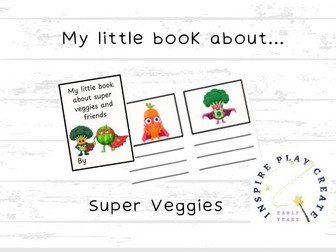 Quick View
 Quick View