Understand how someone else feels worksheetQuick View
emma_holmesnicholson

Understand how someone else feels worksheet

(0)
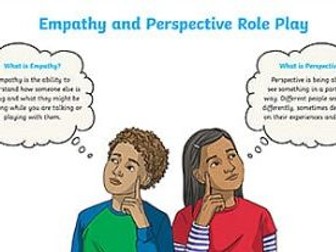
Step Into Their Shoes – Role Play Scenarios for Understanding Others Sometimes, the best way to understand someone else is to imagine what it’s like to be them. These role play scenarios help young people explore different points of view, build empathy, and think about how others might feel in tricky situations. Through guided role play, learners will: • Step into someone else’s shoes – imagining thoughts and feelings from another perspective • Practice kind and respectful communication – even when emotions run high • Reflect on different choices and outcomes – learning how actions affect others • Build confidence in handling real-life challenges – with empathy and emotional awareness This activity encourages thoughtful discussion, emotional literacy, and helps young people grow their social skills in a safe and creative way.
What is feeling anxious and Worried-worksheetQuick View
emma_holmesnicholson

What is feeling anxious and Worried-worksheet

(0)
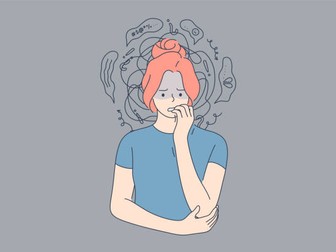
What Is Feeling Anxious and Worried? – A Discussion-Based Worksheet Everyone feels anxious or worried sometimes, but what do those feelings actually feel like? This worksheet helps young people explore what anxiety is, how it shows up in their bodies and minds, and what they can do when it feels overwhelming. Through gentle prompts and open-ended questions from the presenter, learners are encouraged to: • Name and describe anxious feelings – using words, drawings, or metaphors • Talk about what worry feels like for them – and hear how others experience it too • Spot the signs of anxiety – in thoughts, body sensations, and behaviours • Explore calming strategies and support options – building a personal toolkit for tough moments This worksheet is designed to spark honest, supportive conversations—whether in a classroom, group setting, or one-to-one. It helps young people feel seen, understood, and empowered to manage their worries with care and confidence.
Interactive lesson about vapingQuick View
emma_holmesnicholson

Interactive lesson about vaping

(0)
This one-hour, fact-based session explores the realities of vaping, separating myths from evidence to help young people make informed choices. Through interactive discussion, independent research, and up-to-date information, students will learn about: • What vaping is and how it works • The physical and mental effects of nicotine on a developing brain • Common misconceptions (e.g., “vaping helps with stress”) • Signs of nicotine dependence and how addiction develops • The risks of unsafe devices and marketing tactics targeting young people • The impact of vaping on emotional regulation, relationships, and wellbeing The session encourages critical thinking and self-reflection, offering a safe space to ask questions and explore the pressures and influences surrounding vaping. Students will leave with a clearer understanding of how vaping affects health, decision-making, and emotional wellbeing—and how to seek support if needed. You will need computers for pupils to complete research.
Vaping-1 hour lessonQuick View
emma_holmesnicholson

Vaping-1 hour lesson

(0)
This one-hour, fact-based session explores the realities of vaping, separating myths from evidence to help young people make informed choices. Through interactive discussion, real-world examples, and up-to-date information, students will learn about: • What vaping is and how it works • The physical and mental effects of nicotine on a developing brain • Common misconceptions (e.g., “vaping helps with stress”) • Signs of nicotine dependence and how addiction develops • The risks of unsafe devices and marketing tactics targeting young people • The impact of vaping on emotional regulation, relationships, and wellbeing The session encourages critical thinking and self-reflection, offering a safe space to ask questions and explore the pressures and influences surrounding vaping. Students will leave with a clearer understanding of how vaping affects health, decision-making, and emotional wellbeing—and how to seek support if needed.
Post War America UnitQuick View
emma_holmesnicholson

Post War America Unit

(0)
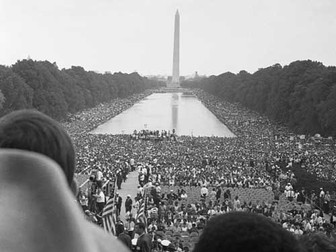
Post-War America — Dreams, Divides, and Defiance This unit explores the dramatic transformation of American society in the decades following World War II, a time of booming prosperity, deep social tensions, and powerful movements for change. Students will examine how the rise of the teenager and the pursuit of the American Dream shaped everyday life, while darker undercurrents like McCarthyism and racial injustice exposed the nation’s contradictions. From the shocking murder of Emmett Till to the powerful voices of Malcolm X and the Civil Rights Movement, learners will investigate how individuals and communities challenged inequality and demanded justice. The assassination of JFK will be explored as a pivotal moment that shook national confidence, while changes in popular culture, from rock ’n’ roll to Hollywood will reveal how youth and rebellion reshaped identity and expression. Key themes include: • The rise of consumerism and the “American Dream” • McCarthyism and the Red Scare • Civil Rights activism and racial injustice • The emergence of youth culture and teenage identity • The impact of JFK’s assassination • Cultural icons and shifts in music, fashion, and media By the end of the unit, students will understand how post-war America was a battleground of ideas—where hope, fear, and resistance collided to redefine a nation.
English Civil War and Witches Unit of workQuick View
emma_holmesnicholson

English Civil War and Witches Unit of work

(0)
Conflict, Belief, and Power — The English Civil War and Witch Hunts This unit delves into one of the most turbulent periods in British history, exploring how political upheaval and social anxiety shaped the lives of ordinary people. Pupils will investigate the causes and consequences of the English Civil War, examining the clash between monarchy and Parliament, the rise of radical ideas, and the impact on communities across the country. Alongside this, they will explore the phenomenon of witch hunts, uncovering how fear, superstition, and shifting power structures led to persecution, especially of women. Through historical enquiry, source analysis, and creative tasks, learners will: • Understand the key events and figures of the English Civil War • Explore the role of propaganda, religion, and ideology • Examine the social conditions that fueled witch hunts • Reflect on how justice, belief, and power intersected in early modern Britain By the end of the unit, students will be able to critically assess how conflict and fear can shape societies, and draw parallels to contemporary issues of justice and marginalisation.
Anger: Explore Triggers & Calming StrategiesQuick View
emma_holmesnicholson

Anger: Explore Triggers & Calming Strategies

(0)
Anger can feel like a firework—bright, loud, and explosive. But just like a firework needs a spark to set it off, our anger often starts with a trigger, something that lights the fuse. If we don’t notice the fuse in time, it can lead to an emotional explosion that’s hard to control. This worksheet helps young people explore: • What lights their fuse – identifying personal anger triggers • How anger builds up – understanding the stages before an outburst • How to put out the fuse – discovering calming strategies that act like a bowl of water to stop the explosion before it happens Through creative reflection and practical tools, this resource empowers young people to recognize their emotional patterns and take control before anger takes over. It’s not about avoiding anger—it’s about understanding it and learning how to respond in a safe, healthy way.