A Christmas Carol - Context - Education - Deeper ThinkingQuick View
LPM1980

A Christmas Carol - Context - Education - Deeper Thinking

(0)
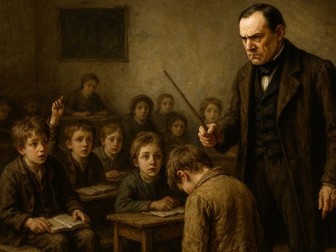
Transform your English Literature classroom with this A Christmas Carol Deeper Thinking Worksheet, a complete 60-minute lesson designed to spark curiosity, critical thinking, and metacognitive reflection. This resource uses a powerful Victorian classroom image to explore themes of education, charity, and social responsibility, helping students connect Dickens’ novella to its historical context. Why This Resource Works: This worksheet is built around the principles of deeper thinking and metacognition, encouraging learners to reflect on their thought processes while analyzing the social and educational conditions of Victorian Britain. Students will examine how charity schools and strict discipline shaped opportunities for the poor and how Dickens critiques these systems in A Christmas Carol. What’s Included in the Worksheet: Scene Analysis: Students study the image in detail, considering how objects like books, desks, and the teacher’s stance convey meaning and authority. Creative Writing Task: Learners imagine life as one of the children in the classroom, using sensory language and figurative devices to build empathy and descriptive skill. Character and Theme Exploration: Prompts guide students to infer themes such as charity, discipline, and social control. Symbolism Discussion: Students interpret visual elements like rigid rows and the teacher’s stick, linking them to Victorian attitudes toward education and morality. Contextual Essay Prompt: Adapted for historical focus—students analyze how the image reflects Victorian ideas about charity and schooling, connecting this to Dickens’ purpose in writing A Christmas Carol. Modern Adaptation Challenge: Learners reimagine the scene for today’s world, exploring how education and social mobility remain relevant issues. Key Features: Fully aligned with GCSE English Literature skills: analysis, interpretation, and evaluation. Promotes metacognitive strategies—students think about how they think, improving independence and resilience. Flexible design: works as a starter, main activity, or homework extension. Printable, visually clear layout with space for responses. Lesson Duration: Approx. 60 minutes, including discussion, writing, and reflection. Ideal For: KS3 and KS4 English Literature Introducing Dickens and Victorian social context Building confidence in analytical and creative writing This resource doesn’t just teach content—it teaches students how to think deeply about literature, history, and society. Perfect for making Dickens’ critique of Victorian values meaningful and relevant today. Co-Pilot used to support Design
A Christmas Carol -1834 Poor Law - Context - Deeper ThinkingQuick View
LPM1980

A Christmas Carol -1834 Poor Law - Context - Deeper Thinking

(0)
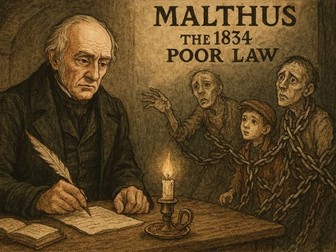
Bring Victorian history and literature to life with this A Christmas Carol Deeper Thinking Worksheet, a complete 60-minute lesson designed to develop critical thinking and metacognitive skills. This resource uses a striking contextual image focused on the 1834 Poor Law and its connection to Dickens’ social critique, making it perfect for introducing students to the historical backdrop of the novella. Why This Resource Works: This worksheet is built around the principles of deeper thinking and metacognition, encouraging learners to reflect on their thought processes while analyzing the social and political ideas that shaped Dickens’ writing. Students explore how Victorian attitudes toward poverty influenced the creation of A Christmas Carol, using visual interpretation and structured tasks to deepen understanding. What’s Included in the Worksheet: Scene Analysis: Students examine the image in detail, considering how objects like the quill, candle, and chained figures convey meaning and authority. Creative Writing Task: Learners imagine life as one of the figures in the background, using sensory language and figurative devices to build empathy and descriptive skill. Character and Theme Exploration: Prompts guide students to infer themes such as control, inequality, and social responsibility. Symbolism Discussion: Students interpret visual metaphors like chains and candlelight, linking them to Victorian social policy and its consequences. Contextual Essay Prompt: Adapted for historical focus—students analyze how the image reflects the ideas behind the 1834 Poor Law and thinkers like Malthus, connecting this to Dickens’ purpose in writing A Christmas Carol. Modern Adaptation Challenge: Learners reimagine the scene for today’s world, exploring how welfare debates and poverty issues remain relevant. Key Features: Fully aligned with GCSE English Literature skills: analysis, interpretation, and evaluation. Promotes metacognitive strategies—students think about how they think, improving independence and resilience. Flexible design: works as a starter, main activity, or homework extension. Printable, visually clear layout with space for responses. Lesson Duration: Approx. 60 minutes, including discussion, writing, and reflection. Ideal For: KS3 and KS4 English Literature Introducing Dickens and Victorian social context Building confidence in analytical and creative writing This resource doesn’t just teach content—it teaches students how to think deeply about literature, history, and society. Perfect for making Dickens’ critique of Victorian values meaningful and relevant today. Co-Pilot used to support Design
A Christmas Carol - Introduction to the author - Digging DeeperQuick View
LPM1980

A Christmas Carol - Introduction to the author - Digging Deeper

(0)
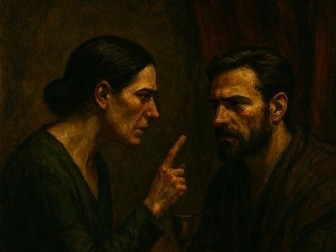
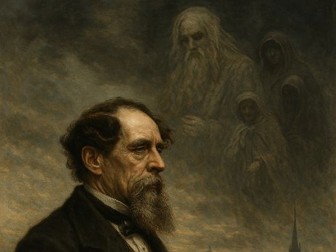
Unlock powerful metacognitive learning with this A Christmas Carol Deeper Thinking Worksheet—a complete 60-minute lesson designed to engage students in higher-order thinking and contextual analysis. Perfect for English teachers aiming to deepen understanding of Dickens’ world, this resource blends observation, interpretation, and creative response into one structured activity. This worksheet is built around the principles of deeper thinking and metacognition, encouraging learners to reflect on their thought processes while exploring the historical and literary context of A Christmas Carol. It uses a striking Victorian-inspired image to spark curiosity and discussion, making it ideal for introducing the author and his social concerns. What’s Included? Scene Analysis: Students examine key visual details, considering symbolism, atmosphere, and historical clues. Creative Writing Task: Learners imagine the perspective of the central figure, using sensory language and figurative devices to build empathy and narrative skill. Character and Theme Exploration: Prompts guide students to infer meaning, connecting the image to Dickens’ recurring themes of responsibility and social justice. Symbolism Discussion: Encourages interpretation of visual metaphors and their relevance to Victorian society. Contextual Essay Prompt: Adapted for author introduction—students analyze how the image reflects Dickens’ world and values, supporting their ideas with evidence. Modern Adaptation Challenge: Learners reimagine the scene for today’s audience, linking past and present social issues to reinforce relevance. Why Choose This Resource? Fully aligned with GCSE English Literature skills: analysis, interpretation, and evaluation. Promotes metacognitive strategies—students think about how they think, improving independence and resilience. Flexible design: works as a starter, main activity, or homework extension. Printable, visually clear layout with space for responses. Lesson Duration: Approx. 60 minutes, including discussion, writing, and reflection. Ideal For: KS3 and KS4 English Literature Introducing Dickens and Victorian context Building confidence in analytical and creative writing Bring Dickens’ world to life while developing critical thinking and self-awareness. This resource doesn’t just teach content—it teaches students how to think deeply about literature and society. Co-Pilot used to support Design
A Christmas Carol - Context Poverty - Thinking DeeperQuick View
LPM1980

A Christmas Carol - Context Poverty - Thinking Deeper

(0)
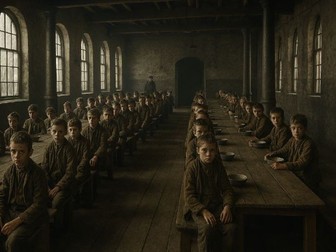
Engage your students with this A Christmas Carol Deeper Thinking Worksheet, a complete 60-minute lesson designed to develop critical thinking and metacognitive skills. This resource uses a powerful Victorian workhouse image to spark discussion and analysis, helping learners connect Dickens’ novella to its historical and social context. Why This Resource Works: This worksheet is built around the principles of deeper thinking and metacognition, encouraging students to reflect on their thought processes while exploring the harsh realities of Victorian society. It provides structured activities that move beyond surface-level comprehension, fostering interpretation, empathy, and contextual understanding. What’s Included in the Worksheet: Scene Analysis: Students examine the image in detail, considering how setting, objects, and composition convey meaning. Creative Writing Task: Learners imagine life inside the workhouse, using sensory language and figurative devices to build descriptive and empathetic writing skills. Character and Theme Exploration: Prompts guide students to infer themes such as poverty, inequality, and social responsibility. Symbolism Discussion: Students interpret visual elements like empty bowls and uniform clothing, linking them to Dickens’ critique of Victorian attitudes toward the poor. Contextual Essay Prompt: Adapted for author introduction—students analyze how the image reflects Victorian society and Dickens’ purpose in writing A Christmas Carol. Modern Adaptation Challenge: Learners reimagine the scene for today’s world, connecting historical issues to modern social concerns. Key Features: Fully aligned with GCSE English Literature skills: analysis, interpretation, and evaluation. Promotes metacognitive strategies—students think about how they think, improving independence and resilience. Flexible design: works as a starter, main activity, or homework extension. Printable, visually clear layout with space for responses. Lesson Duration: Approx. 60 minutes, including discussion, writing, and reflection. Ideal For: KS3 and KS4 English Literature Introducing Dickens and Victorian context Building confidence in analytical and creative writing Bring Dickens’ social message to life while developing critical thinking and self-awareness. This resource doesn’t just teach content—it teaches students how to think deeply about literature and society. Co-Pilot used to support Design
A Christmas Carol - An introduction to the story - Deeper ThinkingQuick View
LPM1980

A Christmas Carol - An introduction to the story - Deeper Thinking

(0)
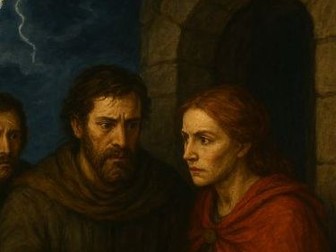
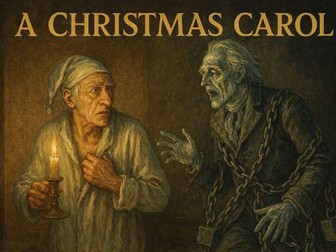
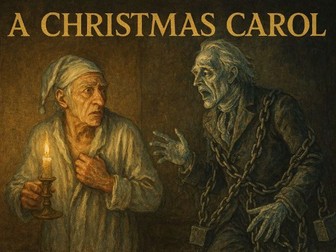
Transform your English Literature classroom with this A Christmas Carol Deeper Thinking Worksheet, a complete 60-minute lesson designed to spark curiosity, critical thinking, and metacognitive reflection. This resource is perfect for introducing Dickens’ world and themes while encouraging students to think deeply about context, symbolism, and authorial intent. Why This Resource Stands Out: This worksheet is built around the principles of deeper thinking and metacognition, helping students not only analyze the text but also reflect on how they approach interpretation. Using a powerful introductory image from A Christmas Carol, learners explore Victorian society, Dickens’ concerns, and the moral questions that underpin the novella. What’s Included in the Worksheet: Scene Analysis: Students examine visual details, considering how lighting, objects, and composition create mood and meaning. Creative Writing Task: Learners imagine the perspective of a character, using sensory language and figurative devices to develop empathy and narrative skill. Character and Theme Exploration: Prompts guide students to infer relationships and connect the image to Dickens’ recurring themes of responsibility and redemption. Symbolism Discussion: Students interpret visual metaphors such as chains and candles, linking them to Victorian values and social commentary. Contextual Essay Prompt: Adapted for author introduction—students analyze how the image reflects Dickens’ world, supporting ideas with evidence. Modern Adaptation Challenge: Learners reimagine the scene for today’s audience, linking past and present social issues to reinforce relevance. Key Features: Fully aligned with GCSE English Literature skills: analysis, interpretation, and evaluation. Promotes metacognitive strategies—students think about how they think, improving independence and resilience. Flexible design: works as a starter, main activity, or homework extension. Printable, visually clear layout with space for responses. Lesson Duration: Approx. 60 minutes, including discussion, writing, and reflection. Ideal For: KS3 and KS4 English Literature Introducing Dickens and Victorian context Building confidence in analytical and creative writing Bring Dickens’ world to life while developing critical thinking and self-awareness. This resource doesn’t just teach content—it teaches students how to think deeply about literature and society. Co-Pilot used to support Design
A Christmas Carol - Themes - Spirit of Christmas - Digging DeeperQuick View
LPM1980

A Christmas Carol - Themes - Spirit of Christmas - Digging Deeper

(0)
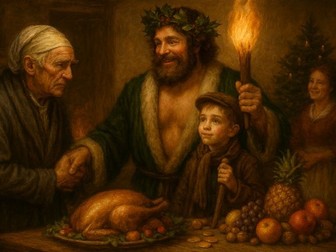
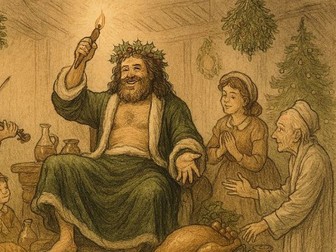
Bring the joy and meaning of Dickens’ festive vision to life with this A Christmas Carol Deeper Thinking Worksheet, a complete 60-minute lesson designed to develop critical thinking and metacognitive skills. This resource uses a vibrant image of the Spirit of Christmas surrounded by symbols of generosity and celebration, making it perfect for exploring Dickens’ central theme of goodwill and transformation. Why This Resource Works: This worksheet is built around the principles of deeper thinking and metacognition, encouraging learners to reflect on their thought processes while analyzing the imagery and ideas that underpin Dickens’ message. Students will examine how Victorian traditions of feasting, music, and community shaped the portrayal of Christmas in A Christmas Carol and why these values remain relevant today. What’s Included in the Worksheet: Scene Analysis: Students study the image in detail, considering how objects like the feast, greenery, and raised light convey abundance and hope. Creative Writing Task: Learners imagine themselves in the room, using sensory language and figurative devices to capture the warmth and spirit of the celebration. Character and Theme Exploration: Prompts guide students to infer how the central figure represents generosity and how surrounding characters contribute to the sense of unity. Symbolism Discussion: Students interpret visual elements such as food, music, and decorations, linking them to Dickens’ ideal of Christmas as a time for kindness and joy. Contextual Essay Prompt: Adapted for historical focus—students analyze how the image reflects Victorian ideas about charity, family, and festive traditions, connecting this to Dickens’ purpose in writing A Christmas Carol. Modern Adaptation Challenge: Learners reimagine the scene for today’s world, exploring how modern symbols of celebration compare to Victorian customs. Key Features: Fully aligned with GCSE English Literature skills: analysis, interpretation, and evaluation. Promotes metacognitive strategies—students think about how they think, improving independence and resilience. Flexible design: works as a starter, main activity, or homework extension. Printable, visually clear layout with space for responses. Lesson Duration: Approx. 60 minutes, including discussion, writing, and reflection. Ideal For: KS3 and KS4 English Literature Introducing Dickens and Victorian festive traditions Building confidence in analytical and creative writing This resource doesn’t just teach content—it teaches students how to think deeply about literature, history, and values. Perfect for making Dickens’ celebration of generosity and community meaningful and relevant today. Co-Pilot used to support Design
A Christmas Carol - Digging Deeper - Introduction and contextQuick View
LPM1980

A Christmas Carol - Digging Deeper - Introduction and context

(0)
Engage learners with 5 metacognitive lessons on A Christmas Carol—exploring Dickens’ world, Victorian context, and deeper thinking skills. This five-lesson series introduces A Christmas Carol through rich, metacognitive activities that deepen understanding of Dickens’ purpose, Victorian society, and key themes. Each lesson blends visual analysis, creative writing, symbolism, and exam-style tasks, encouraging students to think critically and reflect on their learning. Designed for KS3/KS4 English, these lessons promote exploration, questioning, and higher-order thinking, making them ideal for mixed-ability classrooms and stretch challenges. Lesson 1: Dickens and His World Students analyse a Victorian cityscape, identifying symbolic details and linking them to Dickens’ concerns. Creative writing tasks use sensory detail and figurative language, while metacognitive prompts encourage reflection on interpretation. An exam-style question connects image analysis to authorial purpose. Lesson 2: Opening Scene and Character Insight Learners explore Scrooge’s candlelit interior, discussing mood and symbolism. Activities include writing from a character’s perspective, thematic analysis of guilt and redemption, and peer discussion. Reflection tasks reinforce strategies for inference and interpretation. Lesson 3: Poverty and Social Responsibility Using workhouse imagery, students examine Victorian attitudes toward poverty. They interpret symbolism (empty bowls, rigid rows) and link context to Dickens’ critique of inequality. Creative tasks and analytical questions foster empathy and critical thinking. Lesson 4: The 1834 Poor Law and Social Policy Students investigate an image of chained figures and a stern clerk, uncovering links between policy, power, and Dickens’ moral message. Writing tasks include an exam-style response on Victorian reforms, supported by metacognitive reflection. Lesson 5: Charity, Education, and Social Reform This lesson examines a Victorian classroom scene, prompting analysis of charity schools and rigid discipline. Students debate education as opportunity and control, then write creatively from a child’s viewpoint. Symbolism tasks explore societal expectations. Includes: ✔ Creative writing and visual analysis ✔ Symbolism and thematic discussion ✔ Exam-style questions for assessment ✔ Metacognitive reflection to deepen learning
A Christmas Carol - The End of It - Deeper ThinkingQuick View
LPM1980

A Christmas Carol - The End of It - Deeper Thinking

(0)
Bring Dickens’ classic to life with this engaging, ready-to-use resource for A Christmas Carol, designed to cover a full 60-minute lesson. This one-page worksheet encourages deeper thinking and metacognition, helping students to analyse, create, and reflect as they explore the novella’s powerful themes. This resource blends visual interpretation, creative writing, and analytical tasks into a structured sequence that promotes higher-order thinking skills. It is ideal for KS3 and KS4 English classrooms, supporting both comprehension and exam preparation. Why this resource works: Complete lesson coverage: Six interconnected tasks guide students from observation to interpretation and application. Metacognitive focus: Prompts encourage learners to think about their own thought processes, building independence and resilience. Exam-ready practice: Includes a short essay question aligned with GCSE-style requirements. Creative engagement: Students imagine perspectives, rewrite scenes for modern contexts, and explore symbolism in meaningful ways. What’s included in the worksheet? Describe the Scene – Students analyse key visual details and consider mood and meaning. Creative Writing – A sensory-rich paragraph using figurative language to bring the moment to life. Character and Theme Analysis – Explore relationships and Dickens’ central themes of redemption and generosity. Symbolism – Interpret the significance of the turkey and its link to kindness and second chances. Exam-Style Question – A structured prompt on imagery and symbolism, with space for point, evidence, and explanation. Extension Task – Modern adaptation challenge to connect classic literature with contemporary life. Why teachers love it: Time-saving: Everything you need for a full lesson on one page. Flexible: Works as a standalone activity, homework, or part of a larger scheme. Inclusive: Suitable for mixed-ability groups, with opportunities for stretch and support. This resource transforms a key moment from A Christmas Carol into a dynamic learning experience that combines curriculum relevance with creativity and critical thinking. Students will leave the lesson with a deeper understanding of Dickens’ message and improved analytical skills. Co-Pilot used to support Design
A Christmas Carol - The First Spirit - Deeper ThinkingQuick View
LPM1980

A Christmas Carol - The First Spirit - Deeper Thinking

(0)
Transform your A Christmas Carol lessons with this deeper thinking and metacognitive resource, designed for a full 60-minute session. This one-page worksheet immerses students in the pivotal moment when the first spirit appears, guiding them through structured tasks that encourage analysis, creativity, and reflection. This resource is perfect for KS3 and KS4 English classrooms, combining visual interpretation, thematic exploration, and exam-style practice. It helps students develop higher-order thinking skills while engaging with Dickens’ timeless themes of memory, regret, and redemption. Why this resource works: Complete lesson coverage: Six interconnected tasks move students from observation to interpretation and application. Metacognitive focus: Prompts encourage learners to think about their own thought processes, fostering independence and resilience. Exam-ready practice: Includes a short essay question aligned with GCSE-style requirements. Creative engagement: Students imagine perspectives, rewrite scenes for modern contexts, and explore symbolism in meaningful ways. What’s included in the worksheet? Describe the Scene – Students analyse key visual details and consider mood and meaning. Creative Writing – A sensory-rich paragraph using figurative language to capture the atmosphere. Character and Theme Analysis – Explore relationships and Dickens’ central themes of transformation and morality. Symbolism – Interpret the ghostly figure and the empty street as symbols of time, choices, and consequences. Exam-Style Question – A structured prompt on imagery and symbolism, with space for point, evidence, and explanation. Extension Task – Modern adaptation challenge to connect classic literature with contemporary life. Why teachers love it: Time-saving: Everything you need for a full lesson on one page. Flexible: Works as a standalone activity, homework, or part of a larger scheme. Inclusive: Suitable for mixed-ability groups, with opportunities for stretch and support. This resource transforms a key moment from A Christmas Carol into a dynamic learning experience that combines curriculum relevance with creativity and critical thinking. Students will leave the lesson with a deeper understanding of Dickens’ message and improved analytical skills. Co-Pilot used to support Design
A Christmas Carol - The Last Spirit - Deeper ThinkingQuick View
LPM1980

A Christmas Carol - The Last Spirit - Deeper Thinking

(0)
Capture the most dramatic moment of A Christmas Carol with this deeper thinking and metacognitive resource, designed for a full 60-minute lesson. This one-page worksheet focuses on the chilling encounter between Scrooge and the Last Spirit, guiding students through structured tasks that encourage analysis, creativity, and reflection. Perfect for KS3 and KS4 English classrooms, this resource combines visual interpretation, thematic exploration, and exam-style practice. It helps students develop higher-order thinking skills while engaging with Dickens’ powerful themes of mortality, fear, and redemption. Why this resource works: Complete lesson coverage: Six interconnected tasks move students from observation to interpretation and application. Metacognitive focus: Prompts encourage learners to think about their own thought processes, fostering independence and resilience. Exam-ready practice: Includes a short essay question aligned with GCSE-style requirements. Creative engagement: Students imagine perspectives, rewrite scenes for modern contexts, and explore symbolism in meaningful ways. What’s included in the worksheet? Describe the Scene – Students analyse key visual details and consider mood and meaning. Creative Writing – A sensory-rich paragraph using figurative language to capture the atmosphere. Character and Theme Analysis – Explore relationships and Dickens’ central themes of mortality, fear, and transformation. Symbolism – Interpret the gravestone and the hooded figure as symbols of inevitability and choice. Exam-Style Question – A structured prompt on imagery and symbolism, with space for point, evidence, and explanation. Extension Task – Modern adaptation challenge to connect classic literature with contemporary life. Why teachers love it: Time-saving: Everything you need for a full lesson on one page. Flexible: Works as a standalone activity, homework, or part of a larger scheme. Inclusive: Suitable for mixed-ability groups, with opportunities for stretch and support. This resource transforms a key moment from A Christmas Carol into a dynamic learning experience that combines curriculum relevance with creativity and critical thinking. Students will leave the lesson with a deeper understanding of Dickens’ message and improved analytical skills. Co-Pilot used to support Design
A Christmas Carol - Second Spirit - Deeper ThinkingQuick View
LPM1980

A Christmas Carol - Second Spirit - Deeper Thinking

(0)
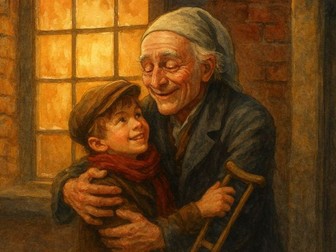
Bring the emotional heart of A Christmas Carol to life with this deeper thinking and metacognitive resource, designed for a full 60-minute lesson. This one-page worksheet focuses on the poignant scene featuring the Second Spirit and the Cratchit family, guiding students through structured tasks that encourage analysis, creativity, and reflection. Perfect for KS3 and KS4 English classrooms, this resource combines visual interpretation, thematic exploration, and exam-style practice. It helps students develop higher-order thinking skills while engaging with Dickens’ timeless themes of compassion, vulnerability, and family. Why this resource works: Complete lesson coverage: Six interconnected tasks move students from observation to interpretation and application. Metacognitive focus: Prompts encourage learners to think about their own thought processes, fostering independence and resilience. Exam-ready practice: Includes a short essay question aligned with GCSE-style requirements. Creative engagement: Students imagine perspectives, rewrite scenes for modern contexts, and explore symbolism in meaningful ways. What’s included in the worksheet? Describe the Scene – Students analyse key visual details and consider mood and meaning. Creative Writing – A sensory-rich paragraph using figurative language to capture the atmosphere. Character and Theme Analysis – Explore relationships and Dickens’ central themes of kindness, mortality, and family bonds. Symbolism – Interpret the crutch and the dim lighting as symbols of fragility and care. Exam-Style Question – A structured prompt on imagery and symbolism, with space for point, evidence, and explanation. Extension Task – Modern adaptation challenge to connect classic literature with contemporary life. Why teachers love it: Time-saving: Everything you need for a full lesson on one page. Flexible: Works as a standalone activity, homework, or part of a larger scheme. Inclusive: Suitable for mixed-ability groups, with opportunities for stretch and support. This resource transforms a key moment from A Christmas Carol into a dynamic learning experience that combines curriculum relevance with creativity and critical thinking. Students will leave the lesson with a deeper understanding of Dickens’ message and improved analytical skills. Co-Pilot used to support Design
A Christmas Carol - Fred - Thinking DeeperQuick View
LPM1980

A Christmas Carol - Fred - Thinking Deeper

(0)
Bring Dickens’ world to life with this deeper thinking and metacognition resource, designed for a full 60-minute lesson on A Christmas Carol. This one-document worksheet focuses on Fred—the embodiment of warmth and optimism—and invites students to explore character, theme, and symbolism through structured, thought-provoking tasks. Why choose this resource? This isn’t a simple Q&A sheet. It’s a carefully crafted learning experience that encourages students to think critically and reflect on their own reasoning. Through visual analysis, creative writing, and thematic exploration, learners engage with Dickens’ text in a way that builds confidence, creativity, and exam-ready skills. What’s inside? Scene Analysis: Students examine details like desk objects, lighting, and body language to interpret mood and meaning. Creative Writing: A paragraph task where learners step into Fred’s shoes, using sensory detail and figurative language to capture his persuasive tone. Character & Theme Study: Prompts guide students to consider Fred’s values and his role as a foil to Scrooge, linking to Dickens’ themes of generosity, family, and optimism. Symbolism Exploration: Students decode visual contrasts and objects (e.g., scattered papers vs. warm lighting) to uncover deeper messages about human connection versus materialism. Exam-Style Question: A focused essay prompt on dialogue and characterization, complete with success criteria (point, evidence, explanation). Extension Task: A modern adaptation challenge—students reimagine Fred’s approach in a contemporary setting, perfect for higher-order thinking and creativity. Why it works: This resource is built for metacognitive engagement. Each activity encourages learners to reflect on how they interpret and respond, fostering independent thought and collaborative discussion. It’s ideal for mixed-ability classrooms, with opportunities for stretch and challenge embedded throughout. Who is it for? KS3 and KS4 English teachers Departments seeking high-quality, ready-to-use resources for literature study Educators aiming to integrate visual literacy and creative response into their schemes of work Benefits: Fully self-contained: no additional prep required Encourages critical thinking and creativity Supports exam skills while deepening understanding of Dickens’ themes Help students see Fred not just as a character, but as a symbol of hope and kindness—and inspire them to think deeply about the choices and values that shape human relationships. Co-Pilot used to support Design
A Christmas Carol - Scrooge - Thinking DeeperQuick View
LPM1980

A Christmas Carol - Scrooge - Thinking Deeper

(0)
Unlock the power of deeper thinking and metacognition with this engaging, one-document resource designed for a full 60-minute lesson on A Christmas Carol. Perfect for English teachers aiming to stretch students beyond surface-level comprehension, this worksheet transforms analysis into an active, reflective process that builds critical thinking skills. Why choose this resource? This isn’t just another comprehension sheet—it’s a structured journey into Dickens’ world, encouraging learners to explore character, theme, and symbolism while developing their own interpretations. The first activity draws students into visual analysis, asking them to decode the central figure’s placement and contrasting tones. From there, creative writing tasks challenge them to inhabit Scrooge’s perspective, using sensory detail and figurative language to deepen empathy and imagination. What’s inside? Scene Analysis: Students examine composition and colour symbolism, linking visual cues to narrative meaning. Creative Writing: A paragraph task that blends textual understanding with imaginative flair, reinforcing descriptive and figurative techniques. Character & Theme Exploration: Prompts guide learners to connect Scrooge’s journey with Dickens’ enduring themes of isolation, regret, and redemption. Symbolism Study: Students interpret faded scenes and tonal contrasts, uncovering Dickens’ commentary on memory and moral responsibility. Exam-Style Question: A focused essay prompt on imagery and symbolism, complete with success criteria (point, evidence, explanation). Extension Task: A modern adaptation challenge, inviting students to reimagine the scene in a contemporary setting—perfect for higher-order thinking and creativity. Why it works: This resource is built for metacognitive engagement. Each task encourages students to think about how they think—reflecting on interpretation, questioning assumptions, and making connections between text, image, and theme. It’s ideal for mixed-ability classrooms, with opportunities for stretch and challenge embedded throughout. Who is it for? KS3 and KS4 English teachers Departments seeking high-quality, ready-to-use resources for literature study Educators aiming to integrate visual literacy and creative response into their schemes of work Benefits: Fully self-contained: no additional prep required Encourages independent thought and collaborative discussion Supports exam skills while fostering creativity Bring Dickens’ classic to life in a way that resonates with today’s learners—help them not only understand Scrooge’s transformation but reflect on their own thinking processes. Co-Pilot used to support Design
A Christmas Carol - NPC's - Thinking DeeperQuick View
LPM1980

A Christmas Carol - NPC's - Thinking Deeper

(0)
Give your students a fresh perspective on Dickens’ classic with this deeper thinking and metacognition resource, designed for a full 60-minute lesson focused on the often-overlooked minor characters—those who shape the world around Scrooge and reflect Victorian society’s values. This one-document worksheet invites learners to explore how Dickens uses these figures to highlight themes of inequality, compassion, and social responsibility. Why choose this resource? This isn’t a basic comprehension sheet—it’s a structured learning experience that challenges students to interpret, analyse, and reflect. Through visual analysis, creative writing, and thematic exploration, learners engage with the subtle yet powerful role of non-central characters, building critical thinking and exam-ready skills. What’s inside? Scene Analysis: Students examine details such as counters, goods, and clothing, decoding how these elements reveal status, priorities, and social contrasts. Creative Writing: A paragraph task where learners imagine themselves as one of the figures at the counter, using sensory detail and figurative language to capture the atmosphere of trade and tension. Character & Theme Study: Prompts guide students to consider how minor characters embody Dickens’ themes of wealth, inequality, and moral choice. Symbolism Exploration: Students interpret objects like money and goods as symbols of Victorian values, uncovering Dickens’ critique of materialism and neglect of compassion. Exam-Style Question: A focused essay prompt on how Dickens uses minor characters to reinforce moral lessons, complete with success criteria (point, evidence, explanation). Extension Task: A modern adaptation challenge—students reimagine this scene in a contemporary setting, perfect for higher-order thinking and creativity. Why it works: This resource is built for metacognitive engagement. Each activity encourages learners to reflect on how they interpret and respond, fostering independent thought and collaborative discussion. It’s ideal for mixed-ability classrooms, with opportunities for stretch and challenge embedded throughout. Who is it for? KS3 and KS4 English teachers Departments seeking high-quality, ready-to-use resources for literature study Educators aiming to integrate visual literacy and creative response into their schemes of work Benefits: Fully self-contained: no additional prep required Encourages critical thinking and creativity Supports exam skills while deepening understanding of Dickens’ themes Help students see that even the smallest voices in A Christmas Carol carry big messages—and inspire them to think deeply about the social and moral fabric of Victorian life. Co-Pilot used to support Design
A Christmas Carol - Scrooges Past - Thinking DeeperQuick View
LPM1980

A Christmas Carol - Scrooges Past - Thinking Deeper

(0)
Take your students on a journey through memory and meaning with this deeper thinking and metacognition resource, designed for a full 60-minute lesson focused on Scrooge’s formative experiences. This one-document worksheet explores key figures from his past—Fan, Fezziwig, and Belle—and invites learners to reflect on how choices shape character and happiness. Why choose this resource? This isn’t a simple recall exercise—it’s a structured learning experience that challenges students to interpret, analyse, and reflect. Through visual analysis, creative writing, and thematic exploration, learners engage with Dickens’ portrayal of memory and regret, building critical thinking and exam-ready skills. What’s inside? Scene Analysis: Students examine details such as gestures, lighting, and festive settings, decoding how these elements convey warmth, joy, and loss. Creative Writing: A paragraph task where learners imagine themselves as Scrooge revisiting these moments, using sensory detail and figurative language to capture the emotional weight of memory. Character & Theme Study: Prompts guide students to consider Fan’s affection, Fezziwig’s generosity, and Belle’s heartbreak, linking to Dickens’ themes of love, regret, and redemption. Symbolism Exploration: Students interpret objects and gestures—like Fezziwig’s handshake and Belle’s farewell—as symbols of trust, opportunity, and choice. Exam-Style Question: A focused essay prompt on how Dickens uses Scrooge’s past to explore the impact of decisions, complete with success criteria (point, evidence, explanation). Extension Task: A modern adaptation challenge—students reimagine these scenes in a contemporary setting, perfect for higher-order thinking and creativity. Why it works: This resource is built for metacognitive engagement. Each activity encourages learners to reflect on how they interpret and respond, fostering independent thought and collaborative discussion. It’s ideal for mixed-ability classrooms, with opportunities for stretch and challenge embedded throughout. Who is it for? KS3 and KS4 English teachers Departments seeking high-quality, ready-to-use resources for literature study Educators aiming to integrate visual literacy and creative response into their schemes of work Benefits: Fully self-contained: no additional prep required Encourages critical thinking and creativity Supports exam skills while deepening understanding of Dickens’ themes Help students see Scrooge’s past not just as a series of memories, but as a powerful lens on choice and consequence—and inspire them to think deeply about what truly matters. Co-Pilot used to support Design
A Christmas Carol - Jacob  Marley - Thinking DeeperQuick View
LPM1980

A Christmas Carol - Jacob Marley - Thinking Deeper

(0)
Transform your lesson on A Christmas Carol with this deeper thinking and metacognition resource, designed for a full 60-minute session focused on Jacob Marley—the ghostly messenger whose chilling warning sets the stage for Scrooge’s redemption. This one-document worksheet invites students to explore Dickens’ themes of consequence, guilt, and moral responsibility through structured, thought-provoking activities. Why choose this resource? This isn’t just a comprehension exercise—it’s a dynamic learning experience that challenges students to interpret, analyse, and reflect. Through visual analysis, creative writing, and thematic exploration, learners engage with Marley’s haunting presence in a way that builds critical thinking and exam-ready skills. What’s inside? Scene Analysis: Students examine key details such as chains, lockboxes, and spectral imagery, decoding how these elements convey warning and transformation. Creative Writing: A paragraph task where learners inhabit Marley’s perspective, using sensory detail and figurative language to capture the atmosphere of regret and urgency. Character & Theme Study: Prompts guide students to consider Marley’s role in the narrative and Dickens’ moral message about choices and their lasting impact. Symbolism Exploration: Students interpret the chains and lockbox as symbols of greed and responsibility, uncovering Dickens’ critique of materialism. Exam-Style Question: A focused essay prompt on imagery and symbolism, complete with success criteria (point, evidence, explanation). Extension Task: A modern adaptation challenge—students reimagine Marley’s warning in a contemporary context, perfect for higher-order thinking and creativity. Why it works: This resource is built for metacognitive engagement. Each activity encourages learners to reflect on how they interpret and respond, fostering independent thought and collaborative discussion. It’s ideal for mixed-ability classrooms, with opportunities for stretch and challenge embedded throughout. Who is it for? KS3 and KS4 English teachers Departments seeking high-quality, ready-to-use resources for literature study Educators aiming to integrate visual literacy and creative response into their schemes of work Benefits: Fully self-contained: no additional prep required Encourages critical thinking and creativity Supports exam skills while deepening understanding of Dickens’ themes Help students see Marley not just as a ghostly figure, but as a powerful symbol of consequence—and inspire them to think deeply about the choices that shape our lives. Co-Pilot used to support Design
A Christmas Carol - The Cratchits - Thinking DeeperQuick View
LPM1980

A Christmas Carol - The Cratchits - Thinking Deeper

(0)
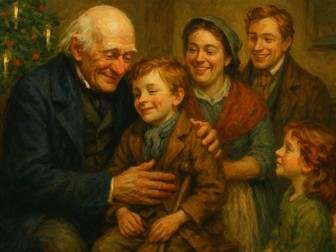
Bring the heart of Dickens’ classic to life with this deeper thinking and metacognition resource, designed for a full 60-minute lesson focused on the Cratchit family—the embodiment of love, resilience, and generosity. This one-document worksheet invites students to explore how Dickens uses imagery and symbolism to contrast poverty with moral strength, creating a powerful message about family and hope. Why choose this resource? This isn’t just a comprehension sheet—it’s a structured learning journey that encourages students to think critically and reflect on their own interpretations. Through visual analysis, creative writing, and thematic exploration, learners engage with the Cratchits’ world in a way that builds empathy, creativity, and exam-ready skills. What’s inside? Scene Analysis: Students examine details such as the Christmas tree, glowing fire, and Tiny Tim’s crutch, decoding how these elements convey warmth and vulnerability. Creative Writing: A paragraph task where learners imagine themselves as part of the Cratchit family, using sensory detail and figurative language to capture the atmosphere of togetherness. Character & Theme Study: Prompts guide students to consider the Cratchits’ values and Dickens’ themes of love, resilience, and generosity, contrasting wealth and poverty. Symbolism Exploration: Students interpret objects like the crutch and fire as symbols of hope and strength, uncovering Dickens’ critique of materialism and celebration of family. Exam-Style Question: A focused essay prompt on imagery and symbolism, complete with success criteria (point, evidence, explanation). Extension Task: A modern adaptation challenge—students reimagine the Cratchit family in a contemporary setting, perfect for higher-order thinking and creativity. Why it works: This resource is built for metacognitive engagement. Each activity encourages learners to reflect on how they interpret and respond, fostering independent thought and collaborative discussion. It’s ideal for mixed-ability classrooms, with opportunities for stretch and challenge embedded throughout. Who is it for? KS3 and KS4 English teachers Departments seeking high-quality, ready-to-use resources for literature study Educators aiming to integrate visual literacy and creative response into their schemes of work Benefits: Fully self-contained: no additional prep required Encourages critical thinking and creativity Supports exam skills while deepening understanding of Dickens’ themes Help students see the Cratchit family not just as characters, but as a symbol of warmth and moral strength—and inspire them to think deeply about what truly matters. Co-Pilot used to support Design
A Christmas Carol - The Spirits - Deeper ThinkingQuick View
LPM1980

A Christmas Carol - The Spirits - Deeper Thinking

(0)
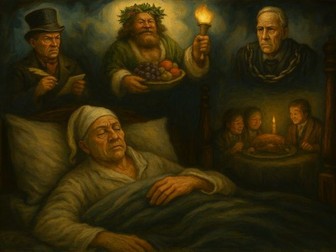
Unlock the transformative power of Dickens’ classic with this deeper thinking and metacognition resource, designed for a full 60-minute lesson focused on the three spirits—Past, Present, and Yet to Come. This one-document worksheet invites students to explore how Dickens uses imagery and symbolism to guide Scrooge’s moral journey, creating a rich opportunity for critical analysis and creative engagement. Why choose this resource? This isn’t a simple comprehension task—it’s a structured learning experience that challenges students to interpret, analyse, and reflect. Through visual analysis, creative writing, and thematic exploration, learners engage with the spirits’ roles in shaping Scrooge’s redemption, building higher-order thinking and exam-ready skills. What’s inside? Scene Analysis: Students examine details such as candlelight, shadows, and gravestones, decoding how these elements create tension and mystery. Creative Writing: A paragraph task where learners imagine themselves as the figure in the bed, using sensory detail and figurative language to capture the atmosphere of fear and hope. Character & Theme Study: Prompts guide students to consider the symbolism of the three spirits and Dickens’ themes of time, morality, and redemption. Symbolism Exploration: Students interpret objects like the candle and the hooded figure’s gesture, uncovering Dickens’ message about choices and consequences. Exam-Style Question: A focused essay prompt on imagery and symbolism, complete with success criteria (point, evidence, explanation). Extension Task: A modern adaptation challenge—students reimagine the spirits in a contemporary setting, perfect for higher-order thinking and creativity. Why it works: This resource is built for metacognitive engagement. Each activity encourages learners to reflect on how they interpret and respond, fostering independent thought and collaborative discussion. It’s ideal for mixed-ability classrooms, with opportunities for stretch and challenge embedded throughout. Who is it for? KS3 and KS4 English teachers Departments seeking high-quality, ready-to-use resources for literature study Educators aiming to integrate visual literacy and creative response into their schemes of work Benefits: Fully self-contained: no additional prep required Encourages critical thinking and creativity Supports exam skills while deepening understanding of Dickens’ themes Help students see the spirits not just as supernatural guides, but as powerful symbols of transformation—and inspire them to think deeply about time, choice, and change. Co-Pilot used to support Design
A Christmas Carol - Marley's Ghost - Deeper ThinkingQuick View
LPM1980

A Christmas Carol - Marley's Ghost - Deeper Thinking

(0)
Unlock deeper thinking and metacognitive skills with this engaging 60-minute lesson on A Christmas Carol! Perfect for KS3 and KS4 English, this resource transforms Marley’s Ghost into a springboard for critical analysis, creativity, and exam preparation. Designed to challenge students beyond surface-level comprehension, it encourages them to explore Dickens’ themes of guilt, redemption, and responsibility while developing higher-order thinking. This one-document resource is structured for maximum impact: Scene Analysis: Students begin by examining a powerful image of Marley’s Ghost, identifying key details, symbolism, and mood. They consider how lighting and objects convey meaning, fostering visual literacy and interpretation skills. Creative Writing: Learners step into Marley’s chains with a sensory-rich paragraph, using similes and metaphors to deepen empathy and imagination. Character & Theme Exploration: Through guided questions, students analyze body language, relationships, and thematic resonance—linking the scene to Dickens’ moral message. Symbolism Focus: The chains become a metaphor for choices and consequences. Students reflect on how this symbol reinforces responsibility, sparking discussion and personal connection. Exam-Style Practice: A concise essay prompt challenges learners to apply their insights, using evidence and explanation to craft analytical responses aligned with GCSE expectations. Extension Task: For stretch and creativity, students modernize the scene—reimagining Marley’s punishment in today’s world. This activity promotes adaptability and critical comparison skills. Why choose this resource? Fully adaptable for mixed-ability groups Encourages metacognition and self-reflection Supports curriculum aims for literature analysis and writing Ideal for cover lessons, homework, or enrichment activities Printable and ready-to-use—no prep required! By the end of the lesson, students won’t just understand Marley’s Ghost—they’ll question how choices shape identity and destiny. This resource turns a classic text into a dynamic learning experience that builds confidence, creativity, and critical thinking. Keywords: A Christmas Carol, Marley’s Ghost, deeper thinking, metacognition, KS3 English, KS4 English, symbolism, creative writing, exam practice, Dickens, literature analysis.
A Christmas Carol - Inference and Prompts - MetacognitionQuick View
LPM1980

A Christmas Carol - Inference and Prompts - Metacognition

(0)
Boost GCSE English success with this metacognitive toolkit! Includes inference grids, visual prompts & strategic guides for A Christmas Carol. Transform your GCSE English lessons with this complete metacognitive resource pack! Designed to develop higher-order thinking and exam-ready skills, this toolkit helps students think about thinking while mastering inference, interpretation, and contextual analysis. Perfect for teachers who want to embed metacognition and critical thinking into their classroom practice. What’s Included? Prompt and Inference How-to Guide (PDF) Practical strategies for using visual prompts and inference grids effectively. Includes step-by-step teaching ideas: visual analysis, linking to text, contextual research, writing tasks, and differentiation. Tips for formative and summative assessment, plus strategies for modelling metacognitive thinking. Inference Images (PowerPoint) High-quality images linked to A Christmas Carol themes and Victorian context (poverty, charity, education, 1834 Poor Law). Each slide includes three guiding prompts: What questions can I ask about the picture? What can you work out from the picture? What can you see in the picture? Ideal for creating See–Think–Wonder grids, paired discussions, and evidence-based reasoning tasks. A Christmas Carol – Prompt Questions (Word) 10 thought-provoking questions per image, designed to deepen interpretation and link visuals to Dickens’ text. Covers author introduction, story themes, and historical context. Questions range from descriptive to evaluative, supporting differentiation for all ability levels. Why This Resource Works Metacognition Made Practical: Students learn how to think critically, not just what to write. Versatile & Time-Saving: Ready-to-use activities for starters, plenaries, group work, or homework. Exam-Focused: Builds inference and interpretation skills essential for GCSE English Language and Literature. Engaging & Visual: High-quality images spark curiosity and discussion, making abstract ideas concrete. Teaching Benefits Embed strategic thinking and self-reflection into lessons. Encourage evidence-based answers by linking observations to text and historical context. Support multimodal learning (images, text, discussion, writing). Adapt easily for stretch and challenge or support for lower ability learners. Invest in a resource that goes beyond comprehension—equip your students with the tools to think critically, reflect deeply, and succeed confidently in their GCSE exams. Co-Pilot used to support design.
Blood Brothers - Bare Bones Revision Guide for studentsQuick View
LPM1980

Blood Brothers - Bare Bones Revision Guide for students

(0)
Blood Brothers – Bare Bones Revision Guide Unlock top GCSE grades with this clear, student-friendly resource designed for all abilities. This Bare Bones Revision Guide breaks down Blood Brothers into manageable sections covering key scenes, characters, themes, and context. Each page includes Key Ideas, Vocabulary Banks, Quick Takeaways, and Exam-Style Questions to reinforce learning and build confidence. Perfect for mainstream classrooms, alternative provision, and home learning, the guide supports: Retrieval practice and quote memorisation PEEL paragraph planning and scaffolded writing Flashcards, colour coding, and discussion prompts Teachers can use it for starters, homework, group tasks, and intervention, while parents can support learning with quizzing and conversation starters. The guide explores social class, fate, superstition, identity, and gender, showing how Russell’s language, structure, and motifs create meaning. Strategies rooted in cognitive science—retrieval, dual coding, and elaboration—boost exam readiness. Why choose this guide? Accessible for all learners, including SEND and EAL Exam-focused with quote banks and planning frames Flexible for KS4 English Literature across all major exam boards Help students connect with the text, improve analysis, and succeed in their GCSEs.