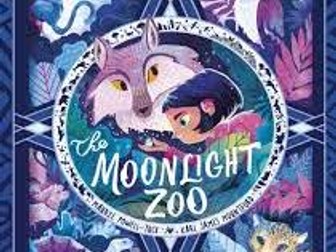
SEND Mainstream Planning - The Moonlit Zoo, Maudie Powell-TuckQuick View
jsoswain94

SEND Mainstream Planning - The Moonlit Zoo, Maudie Powell-Tuck

(0)
A 5-lesson plan for children working at a KS1 level, perfect for SEND provision in a mainstream setting. Builds up to a final piece where children write a descriptive paragraph. Includes core subjects (Guided Reading, English) National Curriculum links: develop pleasure in reading, motivation to read, vocabulary and understanding by: Develop positive attitudes towards and stamina for writing Learning how to correctly use punctuation including full stops, capital letters, exclamation marks, question marks, commas for lists and apostrophes for contracted forms and the possessive (singular). Adding –ing, –ed, –er, –est and –y to words of Learning to spell common exception words Answering and asking questions’, ‘making inferences based on what is being said and done The use of –ly in Standard English to turn adjectives into adverbs Expanded noun phrases for description and specification Terminology for pupils: report, information, formal, non-chronological
SEND Mainstream Planning - A Boy and a Jaguar, Alan RabinowitzQuick View
jsoswain94

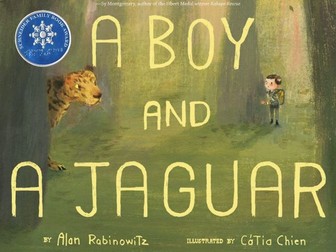
SEND Mainstream Planning - A Boy and a Jaguar, Alan Rabinowitz

(0)
An 8-lesson plan for children working at a KS1 level, perfect for SEND provision in a mainstream setting. Builds up to a final piece where children write a non-chronological report. Includes core subjects (Guided Reading, English) National Curriculum links: develop pleasure in reading, motivation to read, vocabulary and understanding by: • Develop positive attitudes towards and stamina for writing • Learning how to correctly use punctuation including full stops, capital letters, exclamation marks, question marks, commas for lists and apostrophes for contracted forms and the possessive (singular). • Homophones and near- homophones - It is important to know the difference in meaning between homophones. • Plan their writing by discussing writing similar to that which they are planning to write in order to understand and learn from its structure, vocabulary and grammar • Draft and write by organising paragraphs around a theme • Draft and write using simple and organisation devices in non-narrative material Terminology for pupils: report, information, formal, non-chronological
SEND Mainstream Planning - Voices in the Park, Anthony BrowneQuick View
jsoswain94

SEND Mainstream Planning - Voices in the Park, Anthony Browne

(0)
An 8-lesson plan for children working at a KS1 level, perfect for SEND provision in a mainstream setting. Builds up to a final piece where children write an additional voice for the story. Includes core subjects (Guided Reading, English) National Curriculum links: Develop pleasure in reading, motivation to read, vocabulary and understanding by: Develop positive attitudes towards and stamina for writing Learning how to correctly use punctuation including full stops, capital letters, exclamation marks, question marks, commas for lists and apostrophes for contracted forms and the possessive (singular). To use subordinate and coordinate conjunctions To use expanded noun phrases To add suffixes to spell longer words To make simple edits to their work
Features of Poetry Anchor Chart PosterQuick View
jsoswain94

Features of Poetry Anchor Chart Poster

(0)
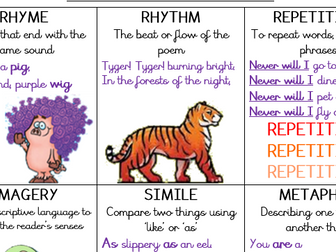
9 key features of poetry: Rhyme, rhythm, repetition, imagery, similes, metaphors, alliteration, onomatopoeia, personification. Attached as a word file and PDF. Explanation of each feature with a written example and image for each.
Design your own Crocs ActivityQuick View
jsoswain94

Design your own Crocs Activity

(0)
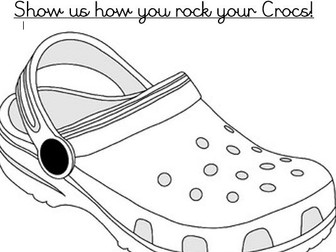
Show us how your rock your Crocs! A great transition activity for KS2 - includes spaces to design their own jibbitz to show off their personality. A great get to know you activity. PDF and Editable included.
KS2 Non Chronological Report WAGOLL ExampleQuick View
jsoswain94

KS2 Non Chronological Report WAGOLL Example

(0)
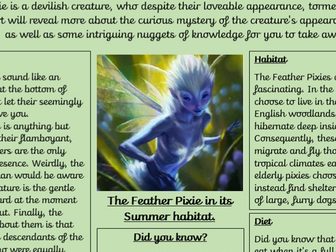
This is a WAGOLL of a non-chronological report on 'Feather Pixies. It includes all the key features expected to see in UKS2 and LKS2: Title Subheadings Subject specific vocab a range of sentence starters Formal Conjunctions for ‘and’, ‘but’ and ‘causal’ Colon Rhetorical Question Signposting sentence Subheadings Diagram Relative Clause Viewpoint words Did you know? Box
KS2 Non Chronological Report WAGOLL ExampleQuick View
jsoswain94

KS2 Non Chronological Report WAGOLL Example

(0)
This is a WAGOLL of a non-chronological report on ‘Storm Unicorns’. It includes all the key features expected to see in UKS2 and LKS2: Title Subheadings Subject specific vocab a range of sentence starters Formal Conjunctions for ‘and’, ‘but’ and ‘causal’ Colon Rhetorical Question Signposting sentence Subheadings Diagram Relative Clause Viewpoint words Did you know? Box
Biomes Word Cards DisplayQuick View
jsoswain94

Biomes Word Cards Display

(0)
Key vocabulary word cards for display. These are generally focussed on Biomes with words included to suit South America specifically as well.
Writing Speech Mat Resource PromptQuick View
jsoswain94

Writing Speech Mat Resource Prompt

(0)
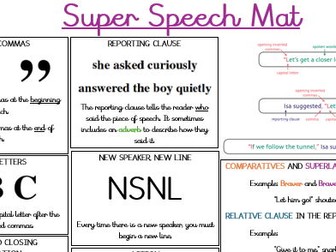
This mat supports your children with all aspects of writing speech in UKS2. It is double sided and can be laminated. Includes all features of speech, examples of the features and synonyms for said as well as adverbs for speech. Uploaded as both a PDF and a word document to edit.
Word Class/Word Type Plant Display ResourceQuick View
jsoswain94

Word Class/Word Type Plant Display Resource

(0)
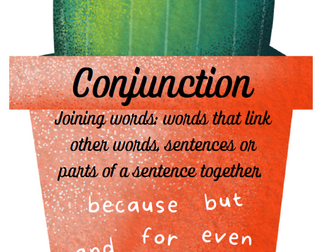
A set of 7 different plants, each with a different word class, including what the word class is and specific examples. Perfect for KS2. A great addition to any reading corner, or English display! These have been made specifically so they are easy shapes to cut, and the writing can be seen clearly. These are perfect for any calm classroom.