











Why is English Germanic?
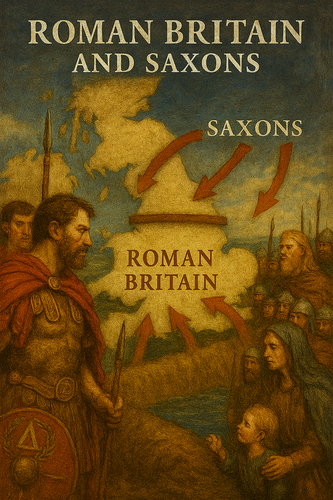
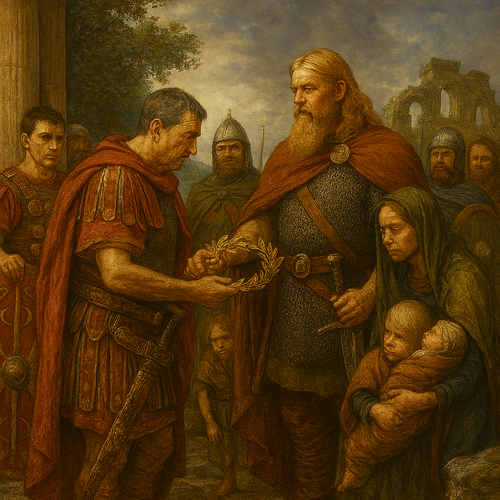
Britain was Roman for many years.
Latin was used by elites and Celtic by the common people.
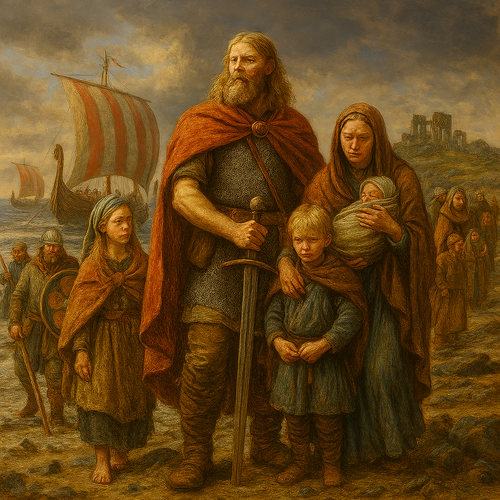
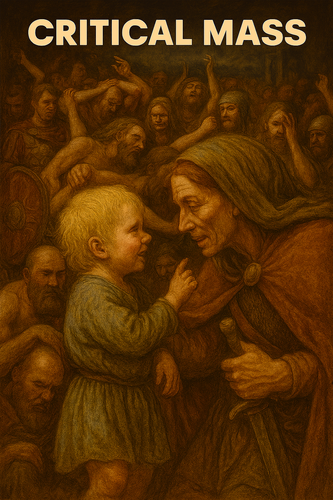
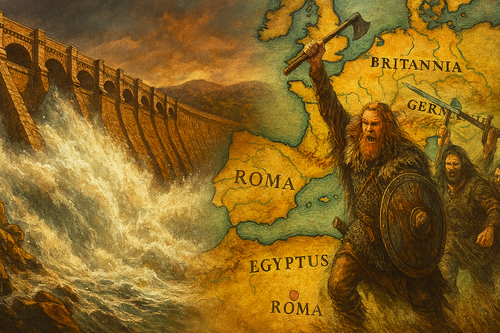
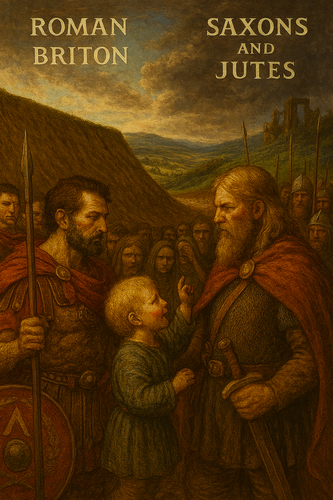
When Rome fell, Germanic barbarians arrived en mass.
They came to settle.
The Celtic and Romanized people were killed or
driven out.
Governmental control; as it was, was conducted in German.
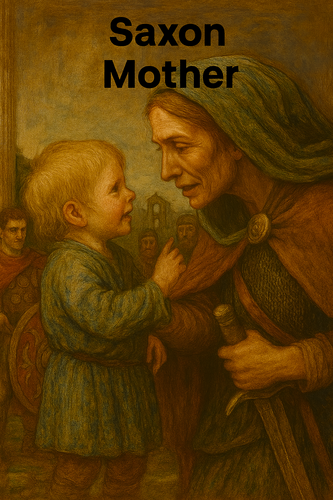
Children were taught language by German mothers, learning German.
There was a critical mass of German speakers.
German was undiluted, although languages change.
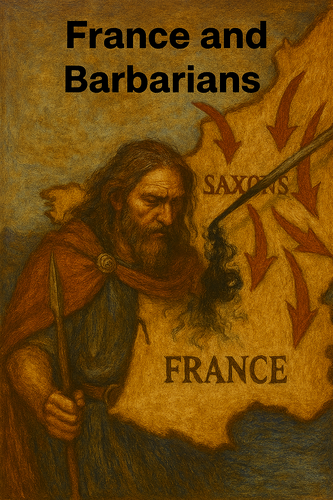
On the continent, the situation was different.
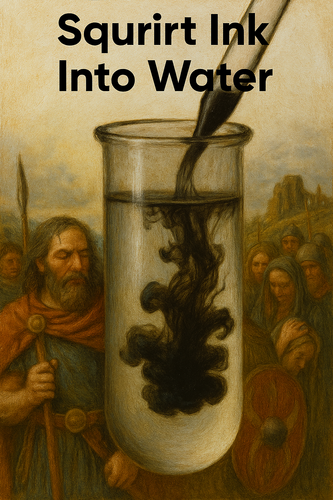
The barbarians were in the vast minority; not like
the majority in Briton which was hit by a Germanic tidal wave.
Continental barbarians wanted the Roman life-style.
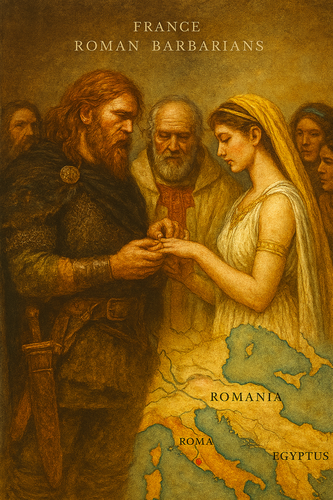
They married Roman continental brides.
These mothers taught their language to their children; so much so, that German barbarian identity was diluted and disappeared.
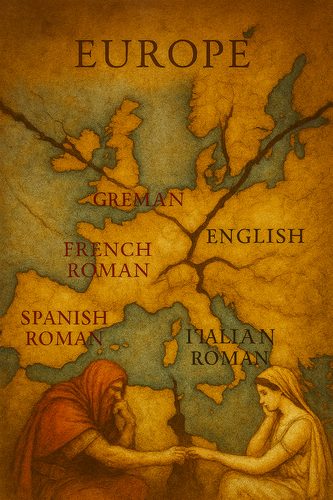
Versions of Latin were spoken and changed from that base.
Classical Latin which had been taught and maintained during the Empire, diverged into isolated versions as the Empire fell apart into isolated pieces.
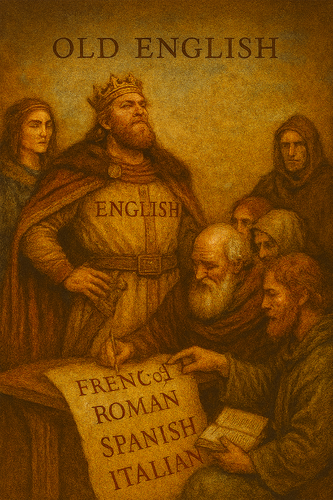
In England, they were proud of their German language; called
Old English.
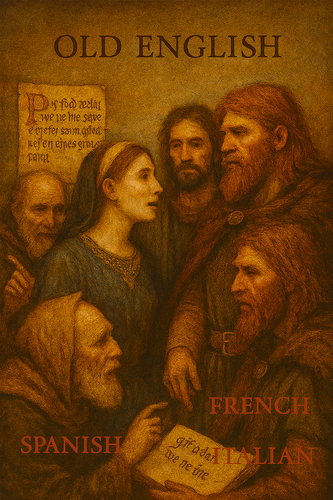
It was taught, maintained and used for scholarship
and poetry. Also, the English could still understand
the Germans from subsequent arrivals from Germanic lands.
English changed to accommodate this understanding, when these German people settled in England.
When the French conquered England, they brought their changed Latin - Old French with them.
English was the vast majority language of the common people but was not taught formally and maintained.
English experienced simplification, thankfully losing noun verb agreement so prominent in German (and most languages).
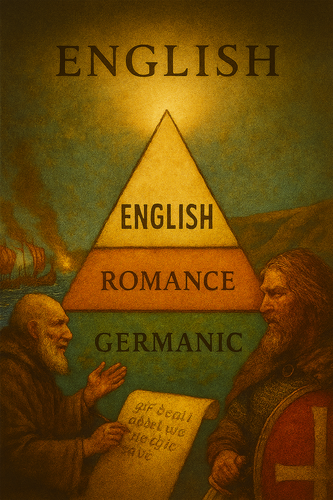
Vocabulary and ideas of the ghost of the Roman Empire were mixed into the brew that was a changing English.
Later, English threw off French and came into its own with a Germanic base and layers of Latin vocabulary.
It is a great vehicle for thought and poetry.
The End
Something went wrong, please try again later.
This resource hasn't been reviewed yet
To ensure quality for our reviews, only customers who have downloaded this resource can review it
Report this resourceto let us know if it violates our terms and conditions.
Our customer service team will review your report and will be in touch.
$0.00