


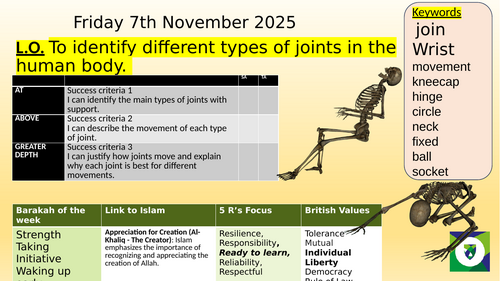
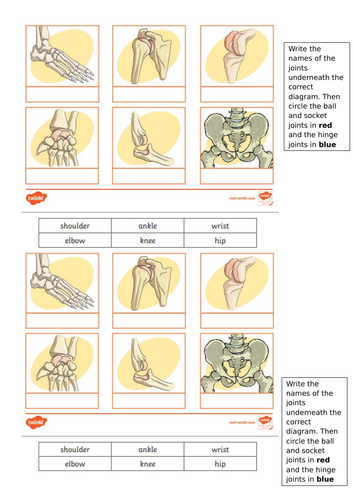
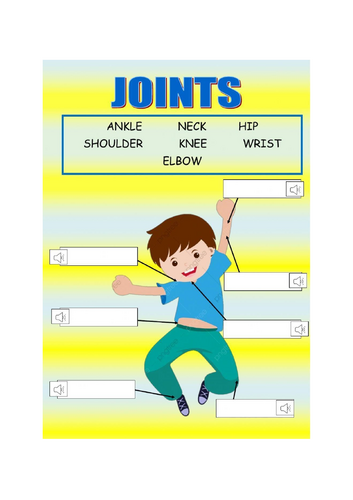
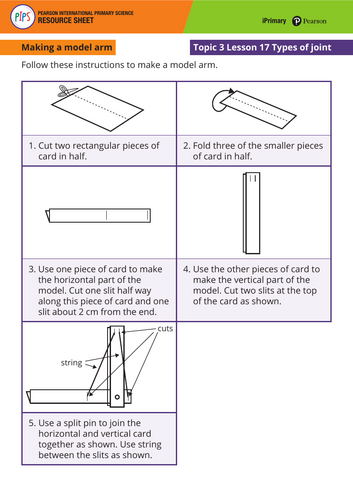
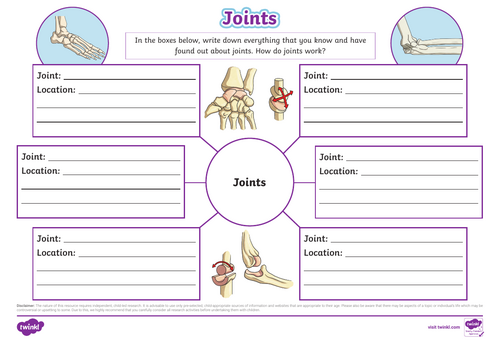
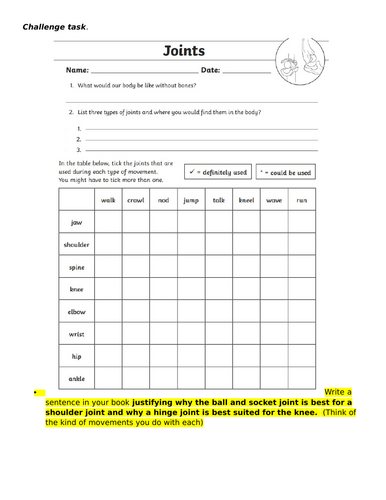
This human body joints PowerPoint lesson teaches pupils to identify different types of joints in the body through clear explanations, practical modelling and movement-based activities. Ideal for KS2 science units on Animals Including Humans, this resource includes definitions, examples, classification tasks and a hands-on model-making activity to help children understand how bones and joints allow movement.
The lesson begins with a fun scenario—“Move Like the Desert Animals!”—linking UAE desert wildlife to how the human body bends, stretches and rotates. Pupils explore key joints such as the elbow, knee, shoulder, hip, wrist, neck and ankle, learning the differences between hinge joints and ball and socket joints, as well as fixed joints. Partner questions, think-pair-share prompts and injury-identification scenarios deepen discussion and critical thinking.
- Teachers will find a range of interactive tasks, including:
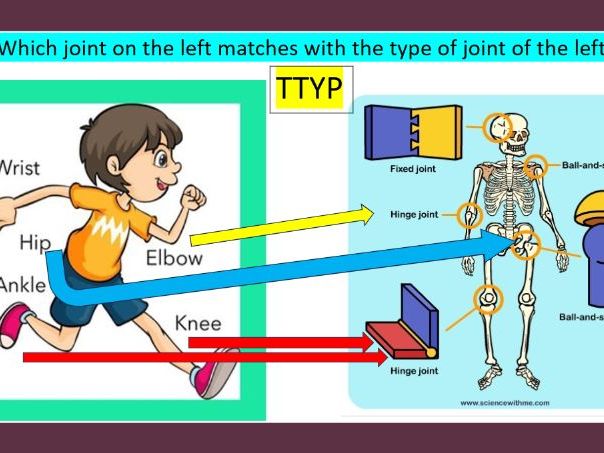
matching joint types to body movements
identifying joints used for different actions
labelling the main joints on a diagram
creating a working arm model using card, split pins and string
challenge questions comparing joint functions in everyday movements
Clear definitions, diagrams, word bank keywords and a joint word search support vocabulary acquisition. A plenary task asks pupils to draw or describe their favourite joint and explain how it helps them move.
This resource is perfect for whole-class teaching, science investigations, model-making lessons or revision activities. It supports differentiation, hands-on learning and strong scientific understanding with minimal teacher preparation.
Something went wrong, please try again later.
This resource hasn't been reviewed yet
To ensure quality for our reviews, only customers who have purchased this resource can review it
Report this resourceto let us know if it violates our terms and conditions.
Our customer service team will review your report and will be in touch.
£2.00