



To Kill a Mockingbird – Lesson 10: Vernacular, Dialect & Code‑Switching
Lesson Summary
In this lesson, students define vernacular and dialect, exploring how Harper Lee uses Southern speech patterns to reveal class, education and cultural identity. Learners then analyse class and education through language, examining how characters’ speech reflects their social position. Finally, students evaluate the significance of code‑switching, considering how characters adapt their language depending on audience and context. This lesson builds linguistic and contextual analysis skills essential for future GCSE English Literature study.
What’s Included- Clear learning objectives focused on dialect, vernacular and code‑switching
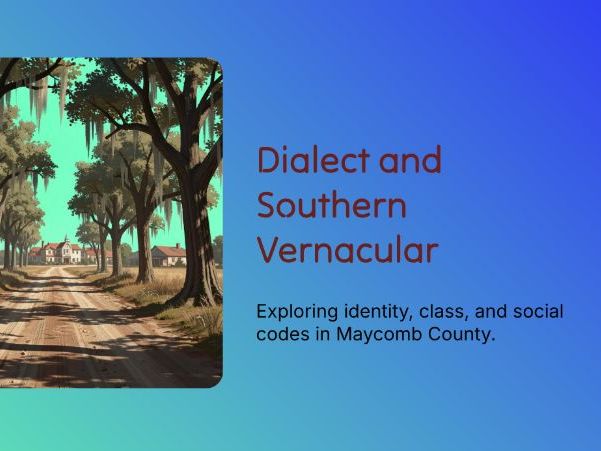
- AI‑enhanced imaging to support visual understanding of Southern speech and social context
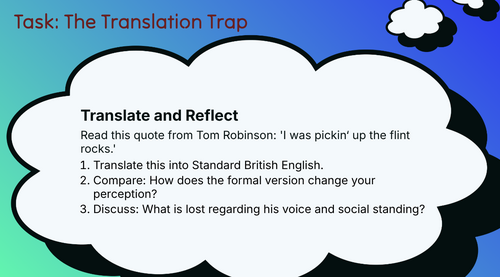
- Close‑reading tasks exploring how Lee uses language to signal class and education
- Peer‑discussion prompts analysing how characters shift language depending on situation
- Group‑analysis activity comparing formal vs informal speech across key characters
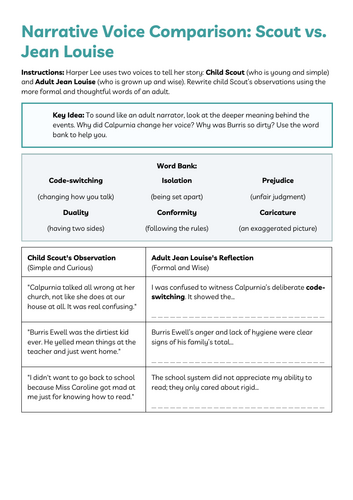
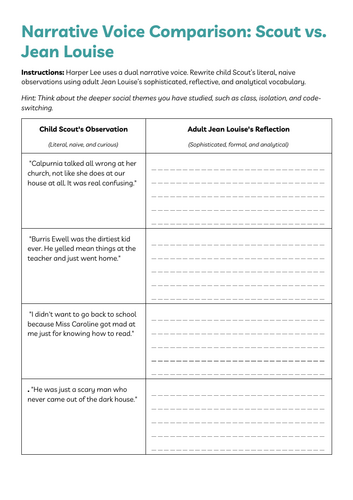
- Narrative Voice Comparison Worksheet
- Rewrite child Scout’s observations using adult Jean Louise’s sophisticated vocabulary
- Includes an adaptive worksheet for learners needing additional scaffolding
- Structured modelling of GCSE‑style linguistic and contextual analysis
- Fits seamlessly with your other units using AI‑enhanced visuals and collaborative learning
- Builds linguistic analysis skills essential for GCSE success
- Strengthens understanding of class, education and cultural identity through language
- Encourages peer and group interaction to deepen comprehension of dialect and code‑switching
- Adaptive worksheet supports differentiation for KS3–KS4 learners
Something went wrong, please try again later.
This resource hasn't been reviewed yet
To ensure quality for our reviews, only customers who have purchased this resource can review it
Report this resourceto let us know if it violates our terms and conditions.
Our customer service team will review your report and will be in touch.
£2.00