


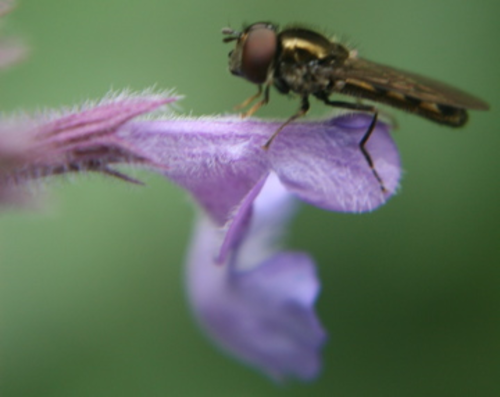
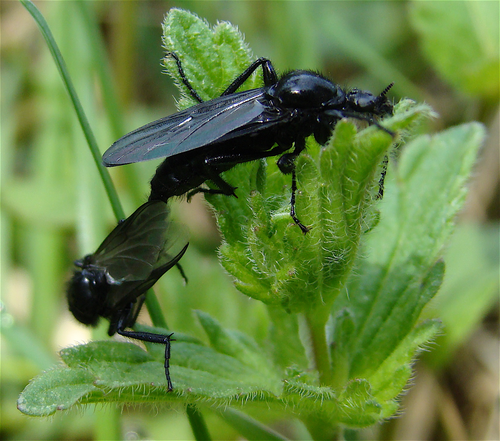
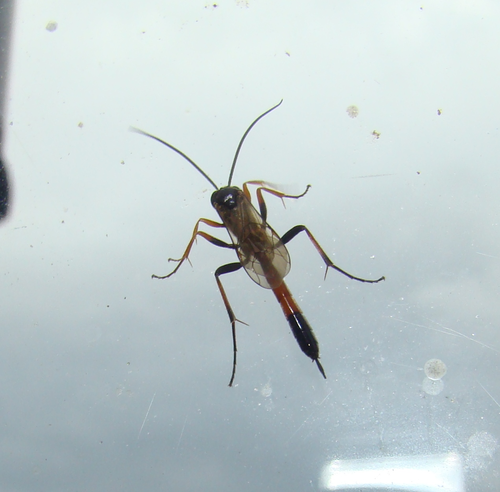
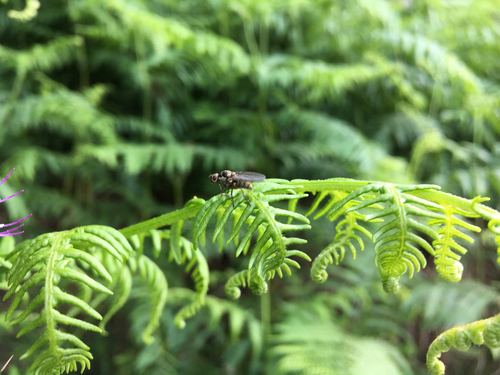
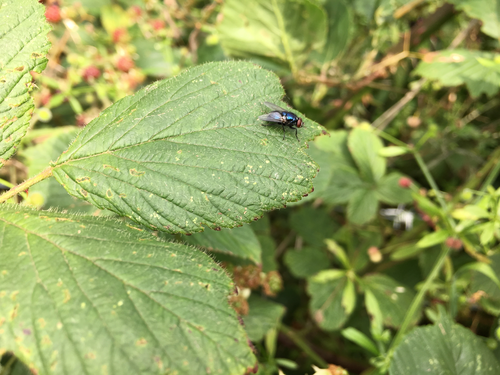
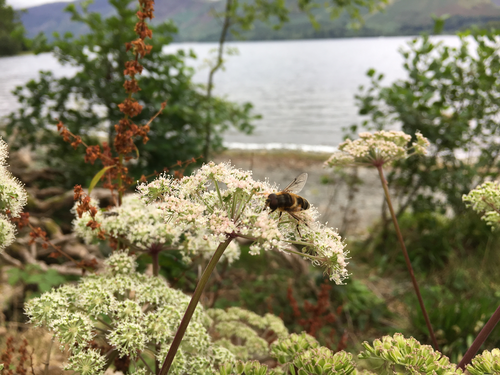
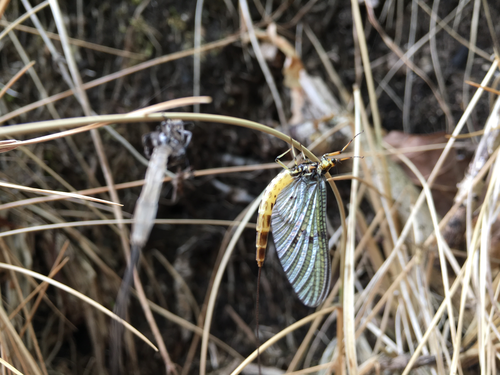
A small collection of photos from my own encounters with flies and insects. I took these for use with my class as part of our module on minibeasts and how to classify species.
Find more original photos and colouring pages at The Curiosity Crows shop.
Get this resource as part of a bundle and save up to 87%
A bundle is a package of resources grouped together to teach a particular topic, or a series of lessons, in one place.
Bundle
KS1 Garden Minibeasts and Plants Bundle | Bees, Ladybirds and Caterpillars | Science
20 resources for a KS1 science topic on gardens. Close-up photographs of garden minibeasts (bees, ladybirds, caterpillars, butterflies, ants and aphids) alongside flowers and plants. Supports Year 1 and Year 2 science on plants, animals and habitats, and works well for minibeast hunts and display.
£5.00
Bundle
Minibeasts Bundle: Garden Wildlife | Butterflies, Bees, Ladybirds, Caterpillars and Snails | KS1 KS2 Science Photos
20 resources of real close-up minibeast photographs from the garden and countryside. Includes butterflies and moths, caterpillars and their nests, bees, bumblebees and wasps, ladybirds, dragonflies and damselflies, mayflies, flies, and snails. Perfect for KS1 and KS2 science: living things and their habitats, life cycles (caterpillar to butterfly), pollination, identifying and grouping animals and classification keys. Great for minibeast hunts, displays, sorting activities and vocabulary work. UK National Curriculum friendly. Created by The Curiosity Crows.
£5.00
Bundle
Minibeasts Photo and Activity Bundle | Insects, Pond Creatures and Snails | KS1 Science
20 resources for a minibeasts topic. Photo collections of butterflies and moths, snails, shield bugs, caterpillars, pond creatures, dragonflies and damselflies, grasshoppers and crickets, aphids and more. Supports KS1 science on animals and habitats, simple classification and minibeast hunts.
£5.00
Bundle
Be Kind to Spiders Week Bundle
A collection of stock photos from my own adventures and hand drawn colouring pages I created for my own students when working an teaching abroad many years ago. Perfect bundle for any ecology, minibeasts, Halloween, and Be Kind to Spiders Week. "Be Kind to Spiders Week encourages people to change their perspective on these misunderstood creatures. Despite their reputation for being creepy or scary, spiders play a vital role in controlling insect populations. This annual event asks people to pause before squashing a spider, instead suggesting relocating them safely outdoors. It’s a simple reminder that these eight-legged creatures contribute to our environment in ways that benefit us all. Spiders are important pest controllers and have potential health benefits. Their venom is being studied for possible treatments for conditions like strokes and arthritis. Additionally, their incredibly strong silk may one day be used in medical applications like sutures. Be Kind to Spiders Week is a chance to rethink our relationship with spiders and see them as more than just something to fear. They quietly make a positive impact on our lives and the world around us. **How to Celebrate Be Kind to Spiders Week** **Release Spiders Instead of Squashing** Instead of stepping on that spider you find in your home, gently move it outside. Use a jar or container to catch the little critter, then let it go in your garden or yard. This way, it can continue its job of pest control without being harmed. **Share Fun Spider Facts** Turn Be Kind to Spiders Week into a learning opportunity. Research interesting facts about spiders and share them with friends, family, or on social media. For example, did you know that spider silk is one of the strongest materials on Earth? Your newfound knowledge might change someone’s opinion of these misunderstood creatures. **Create a Spider-Friendly Spot** Encourage spiders to hang around where they belong—outside! Create a little haven in your garden by adding plants that attract insects, their main food source. Spiders will help keep the insect population in check, and you can enjoy fewer pests in return. **Try Out Spider Art** Get creative with some spider-inspired art! Draw, paint, or even make a DIY spider web craft. It’s a fun way to involve kids or simply get your own creative juices flowing. Plus, it’s a neat way to admire their intricate web-making skills. **Visit a Nature Spot** Head to a nearby park or nature reserve to see spiders in their natural habitat. Observe them spinning webs or catching prey from a safe distance. This activity is perfect for anyone who loves the outdoors and wants to see these creatures up close in the wild. **History of Be Kind to Spiders Week** Be Kind to Spiders Week started in 2003, thanks to the American Tarantula Society. They wanted to promote a better understanding of spiders and their essential role in nature. The week shines a spotlight on the valuable contributions spiders make, especially in pest control. Eating insects like mosquitoes and flies helps reduce the spread of diseases and protect crops. The creators hoped to replace common fears with respect and curiosity toward spiders. This awareness campaign also highlights ongoing scientific research into the medical benefits of spider venom. Studies suggest that some of these venoms may offer treatments for conditions like strokes and arthritis, making spiders not just helpful in our gardens but also in medical science. Over the years, the event has spread, encouraging people to take small actions, like safely relocating spiders instead of killing them. The ultimate goal of Be Kind to Spiders Week is to shift our perspective, helping people see spiders as essential parts of our ecosystem rather than something to fear."
£2.00
Something went wrong, please try again later.
This resource hasn't been reviewed yet
To ensure quality for our reviews, only customers who have purchased this resource can review it
Report this resourceto let us know if it violates our terms and conditions.
Our customer service team will review your report and will be in touch.
£2.00