


I use these activities with a range of different ages to study trees.
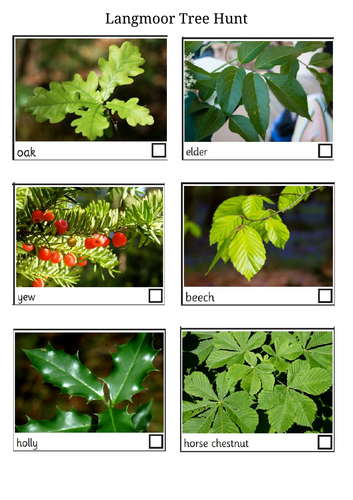
We first identify trees, focusing on their leaves.
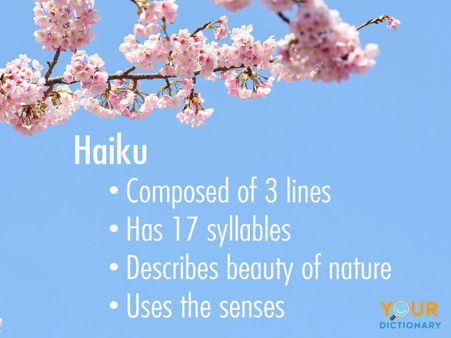
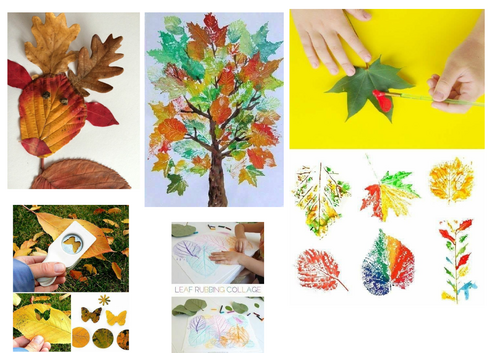
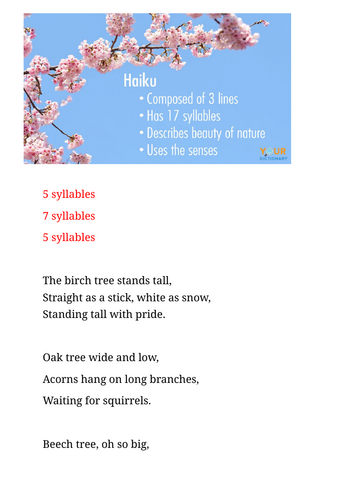
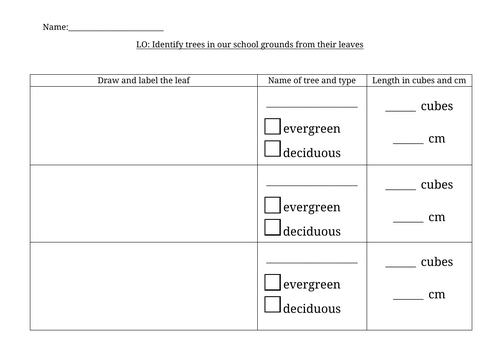
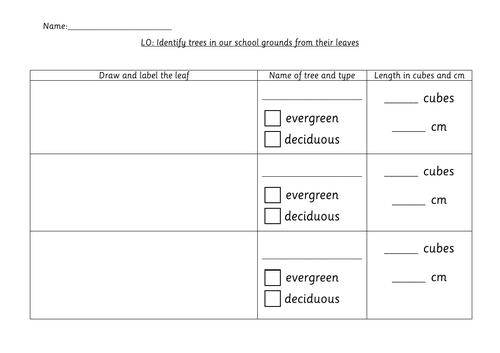
There are lots of craft activities to do with leaves but it’s also nice to get them to describe, draw and measure the length and width of different leaves to compare. I’ve done some lovely work with children on writing tree haikus using actual trees as inspiration.
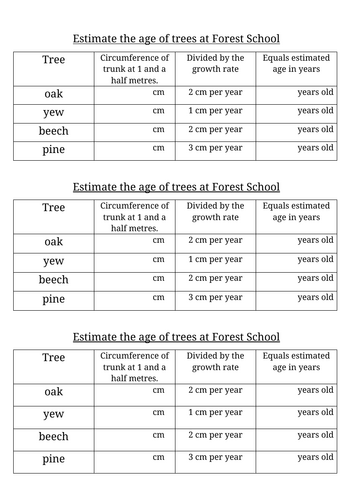
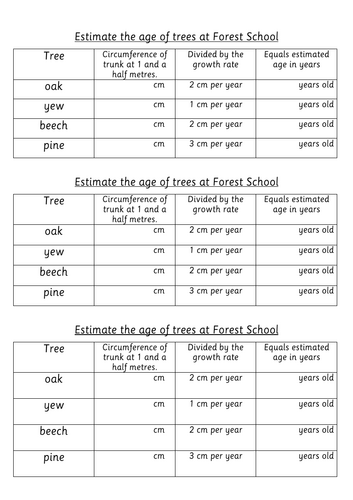
I always like to share the Julia Donaldson book ‘Oak Tree’ which follows an oak tree for 100 years to introduce ideas of change. It’s great to get the children thinking about the ages of trees in the setting, posing questions such as: Is the tallest tree the oldest? Is the tree with the widest trunk the oldest? They can have a go at counting rings of felled trees or calculating the ages of trees by measuring the circumference of the trunk (at about 1 metre up) and multiplying by the tree’s growth rate. It will surprise them that the pines and firs are not as old as they look.
We also play ‘meet a tree’. One pupil has a blindfold on and is guided to a tree by their friend. They use their senses to ‘meet the tree’ (keeping the blindfold on). They are taken back to the start point and need to find the tree. Great for teamwork, trust, senses and developing language. No resources needed other than some blindfolds!
Something went wrong, please try again later.
This resource hasn't been reviewed yet
To ensure quality for our reviews, only customers who have purchased this resource can review it
Report this resourceto let us know if it violates our terms and conditions.
Our customer service team will review your report and will be in touch.
£2.00