


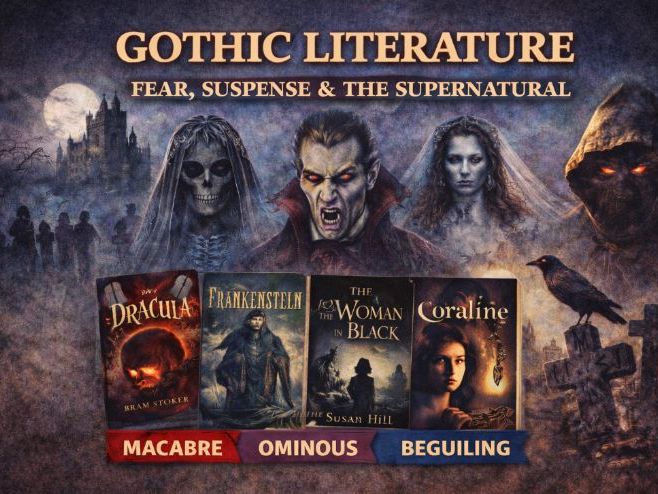
A complete Year 8 Gothic Literature unit exploring fear, suspense and the supernatural through classic and modern texts, with fully resourced lessons and analytical writing support.
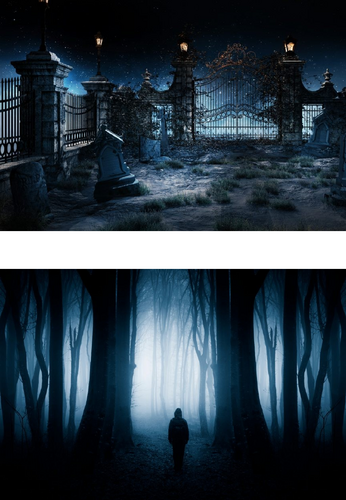
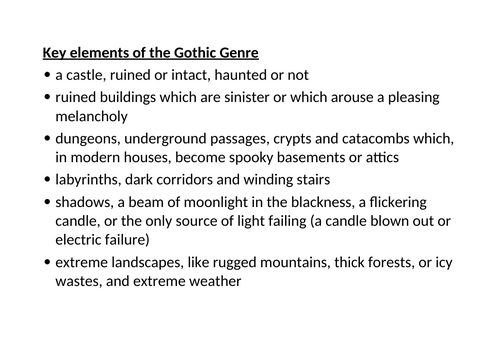
This carefully sequenced Gothic Literature scheme of work introduces students to the genre through atmosphere, setting and character, before guiding them through close reading, annotation and extended analytical writing. Lessons begin by establishing secure genre knowledge, including key conventions such as darkness, isolation, ruined settings, the supernatural, emotional intensity and the grotesque, before repeatedly applying this understanding to a wide range of rich and challenging extracts.
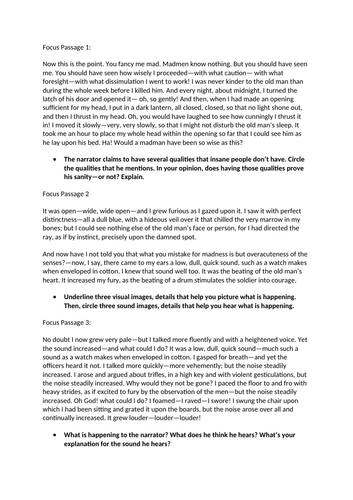
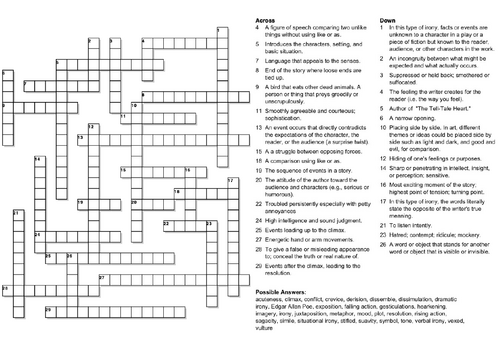
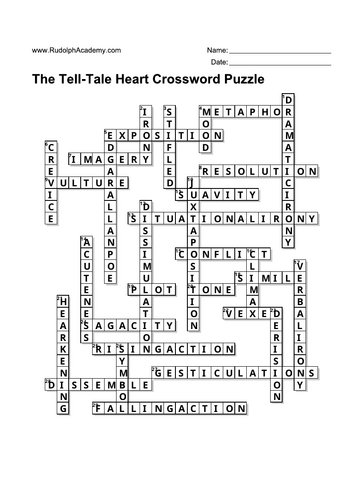
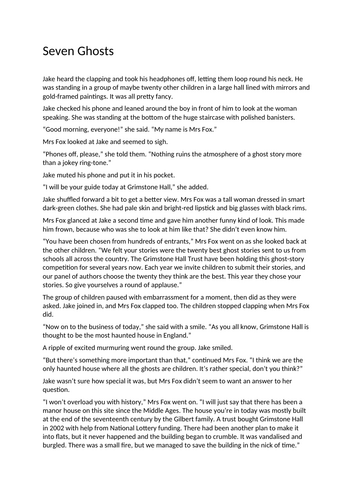
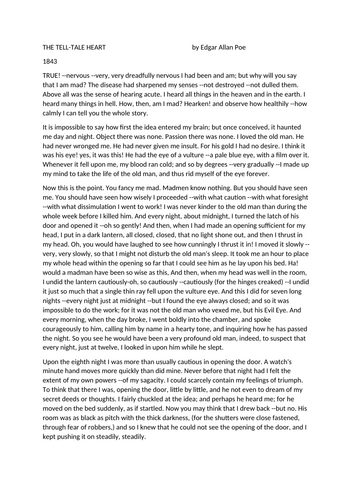
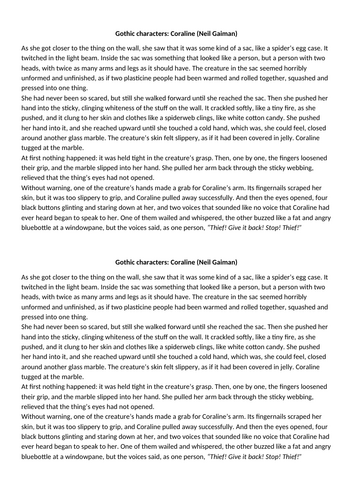
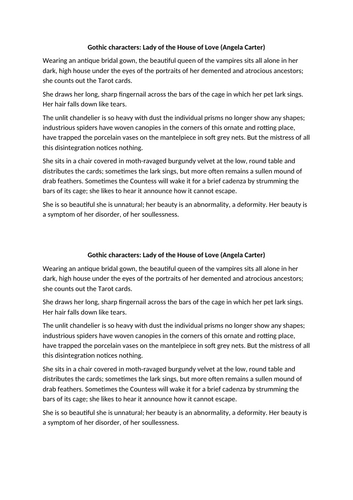
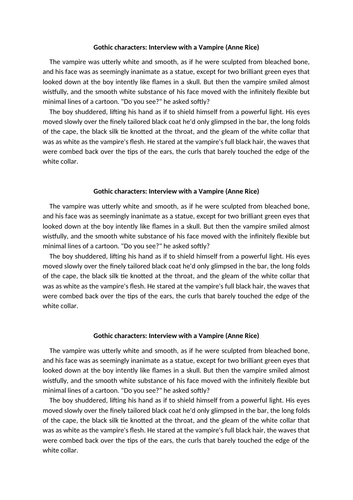
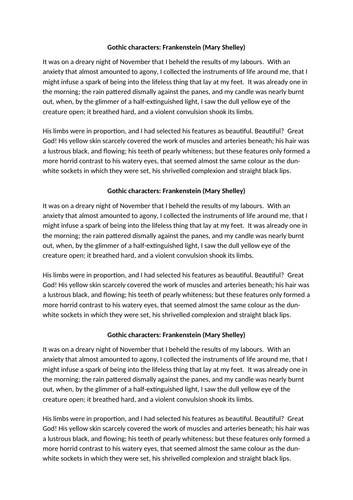
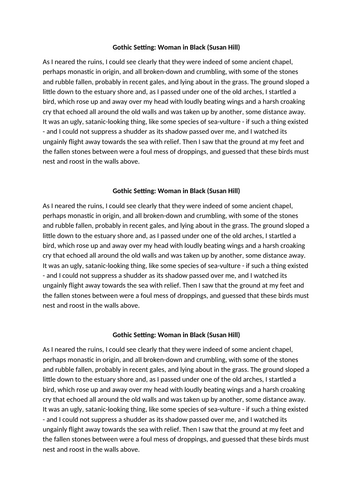
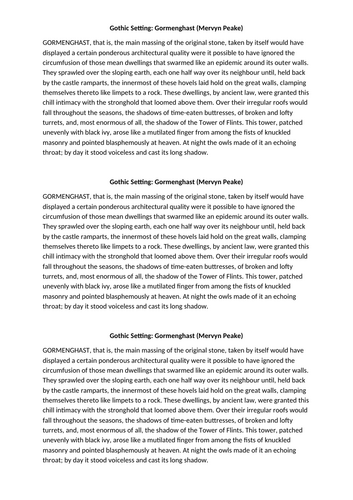
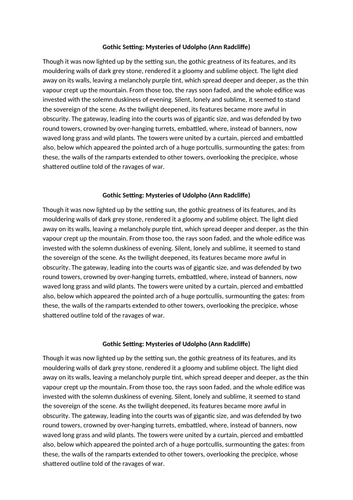
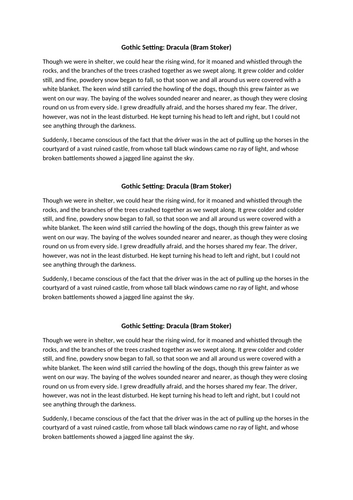
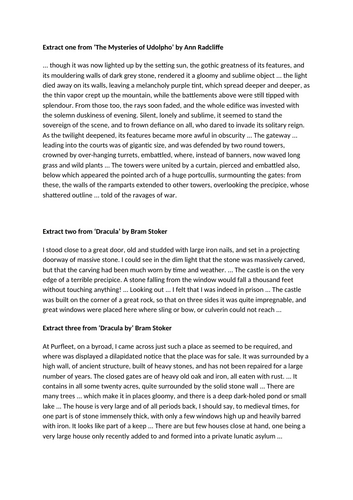
Across the unit, students study and compare influential Gothic texts including Dracula by Bram Stoker, The Mysteries of Udolpho by Ann Radcliffe, Gormenghast by Mervyn Peake, The Woman in Black by Susan Hill, Frankenstein by Mary Shelley, Interview with the Vampire by Anne Rice, The Lady of the House of Love by Angela Carter, Coraline by Neil Gaiman and The Tell-Tale Heart by Edgar Allan Poe. Each lesson is structured to develop vocabulary, confidence and precision, with explicit teaching of ambitious Gothic terminology such as macabre, ominous, beguiling, grotesque, trepidation and morose, embedded through retrieval, discussion and creative application.
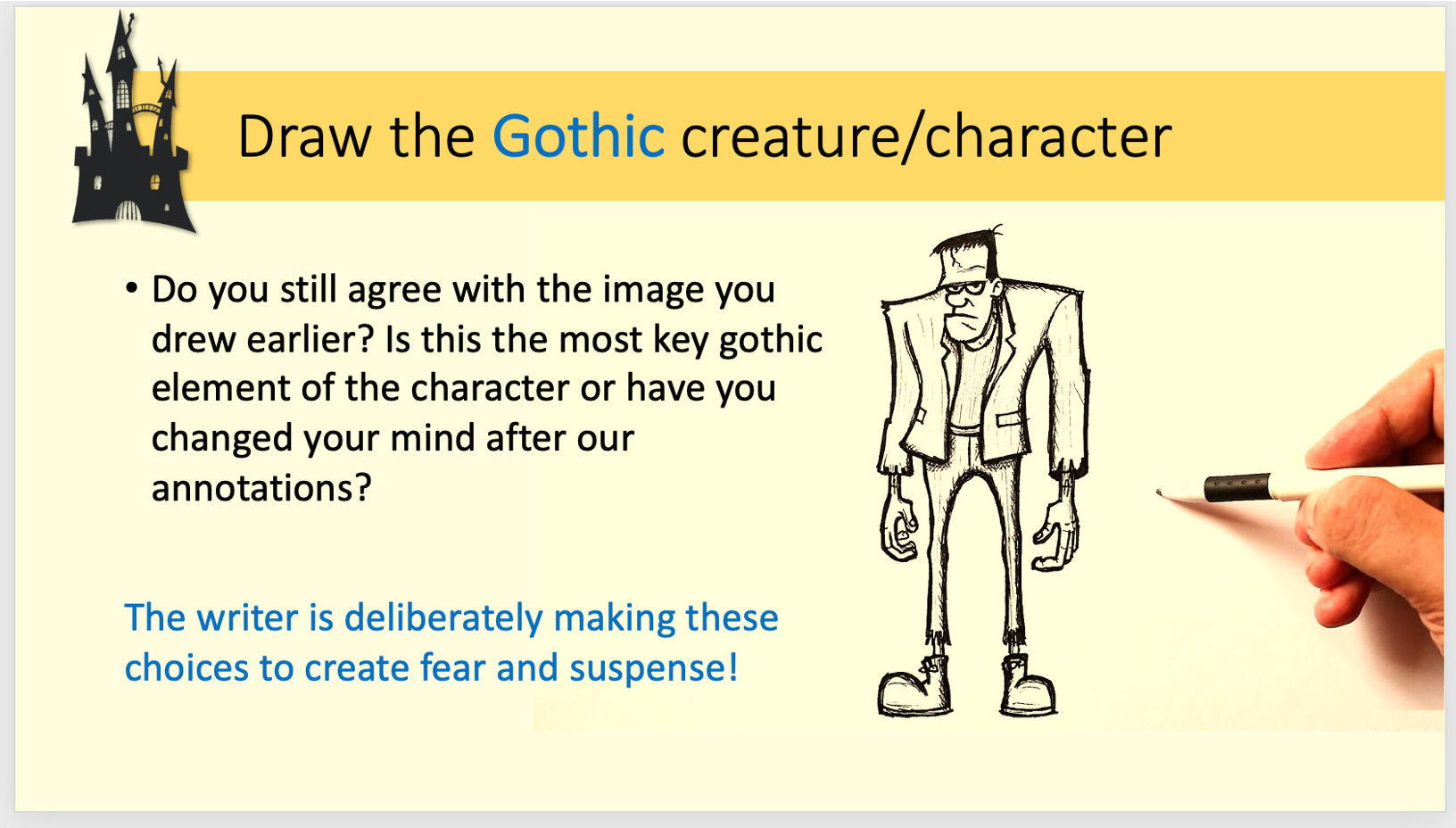
Students are consistently taught how writers create meaning through language choices, structural decisions and imagery, using scaffolded annotation tasks and a clear WHAT–HOW–WHY analytical paragraph structure that supports weaker writers while still allowing challenge and depth. Creative tasks, visualisation, drawing and discussion are deliberately interwoven to deepen engagement and support comprehension, while extended responses build towards confident, evidence-led analysis of Gothic settings and characters.
The scheme is fully resourced with ready-to-teach PowerPoints, carefully selected extracts, structured starters and plenaries, retrieval practice, vocabulary development, paired and independent annotation tasks, and low-stakes assessment opportunities throughout. It is ideal for Key Stage 3 English, supports transition towards GCSE-style analysis, and is particularly effective for developing students’ ability to write clearly, analytically and with subject-specific terminology while maintaining strong engagement with challenging literary texts.
Something went wrong, please try again later.
This resource hasn't been reviewed yet
To ensure quality for our reviews, only customers who have purchased this resource can review it
Report this resourceto let us know if it violates our terms and conditions.
Our customer service team will review your report and will be in touch.
£5.00