


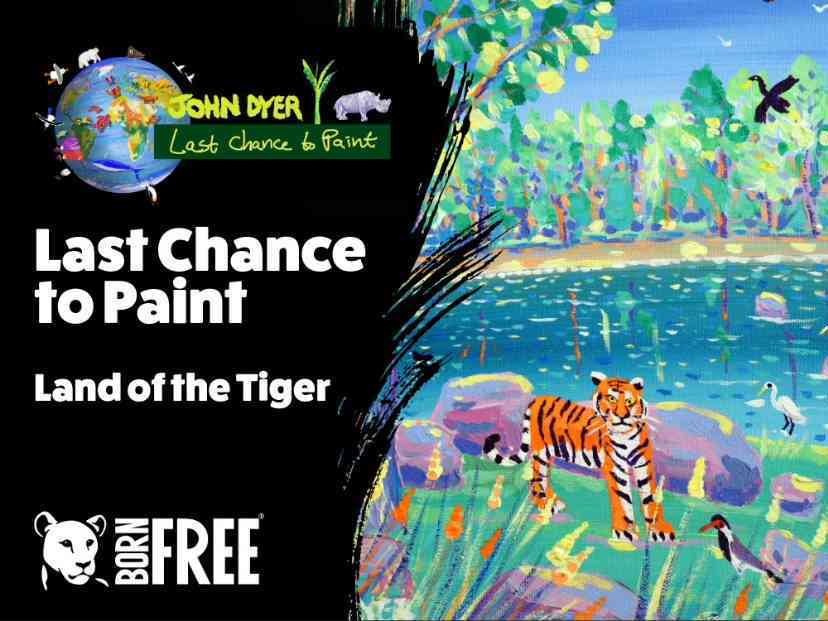


India is home to the world’s largest remaining tiger population. These endangered big cats thrive in the tropical dry forests of central India, where they depend on fragile forest corridors that link protected areas. Within these landscapes live the Gond people, who have lived alongside tigers and other wildlife for generations, developing deep cultural and spiritual connections to the forest and its wildlife.
Understanding how communities, forests and wildlife are interconnected helps children appreciate why conservation and co-existence matter. This scheme of work gives young people the chance to explore new habitats, discover an extraordinary culture and connect to one of the most endangered animals on our planet. All whilst getting creative and exploring different artistic techniques.
Land of the Tiger is linked to Primary KS2 National Curriculum in art & design, music, science, English, geography, citizenship and SMSC and offers opportunities to run a class topic based on India. Detailed teaching notes allow easy adaption for other Key Stages, or to suit your setting’s timetable.
About John Dyer
John Dyer is a British contemporary painter, focusing on colourful landscapes, architecture, gardens and notable events, especially in Cornwall. His ‘naïve’ style makes his work accessible to all ages.
Something went wrong, please try again later.
This resource hasn't been reviewed yet
To ensure quality for our reviews, only customers who have downloaded this resource can review it
Report this resourceto let us know if it violates our terms and conditions.
Our customer service team will review your report and will be in touch.
£0.00