


3.7 Genetics, populations, evolution and ecosystems
3.7.3 Genetic variation and adaptation
3.7.3.5 Evolution may lead to speciation
- Carefully sequenced lesson exploring how new species arise through genetic and reproductive isolation
- Explicit teaching of key concepts: species, gene flow, reproductive isolation, and selection pressures
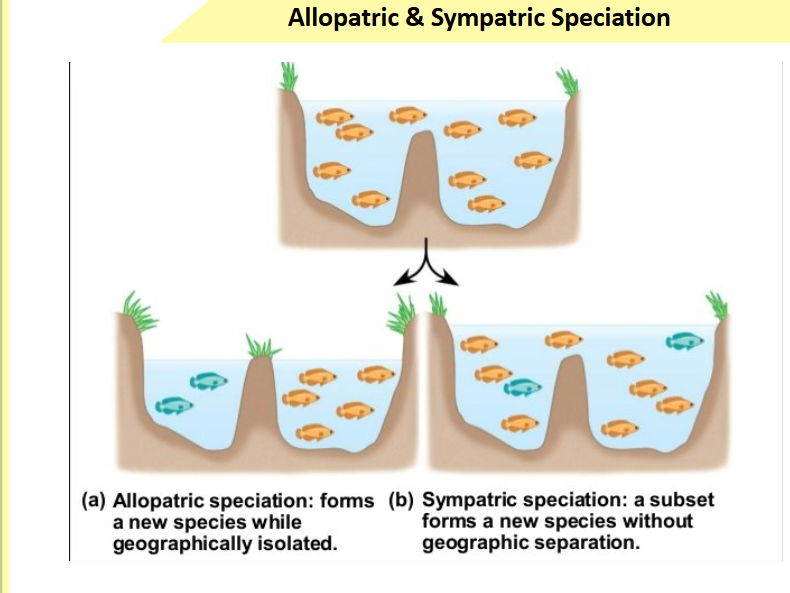
- Clear distinction between:
- Allopatric speciation (geographical isolation)
- Sympatric speciation (no physical barrier)
- Step-by-step modelling of how allele frequencies change over time, leading to divergence and inability to interbreed
- Strong focus on mechanisms of reproductive isolation:
- behavioural
- mechanical
- seasonal
- Active retrieval embedded throughout (MWBs, prior knowledge checks, structured FNT approach)
- Students apply knowledge to real-world contexts (e.g. rock pocket mice, fish, mole rats) to explain evolutionary divergence
- Exam practice integrated: extended-response questions developing structured explanations of speciation
- Addresses key misconceptions (e.g. speciation happens quickly, barriers must be large, similar appearance = same species)
- Develops disciplinary thinking: sequencing biological processes and explaining evolution over time
Something went wrong, please try again later.
This resource hasn't been reviewed yet
To ensure quality for our reviews, only customers who have purchased this resource can review it
Report this resourceto let us know if it violates our terms and conditions.
Our customer service team will review your report and will be in touch.
£2.00