


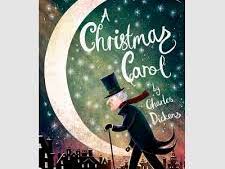
This document is a comprehensive guide for teaching Charles Dickens’ novella, A Christmas Carol, for GCSE English Literature, covering context, characters, themes, and exam preparation.
Key Reasons to Teach the Novella:
- Timeless Themes: Addresses redemption, social justice, and the Christmas spirit.
- Victorian Context: Engages students with 19th-century social history and Dickens’ narrative techniques.
- Exam Preparation: Suited for AQA and other GCSE specifications with rich material for analytical writing.
Overview of the Teaching Sequence:
The guide outlines a sequence covering Context & Background, Plot and Structure (Five Staves), Key Characters, Major Themes, Important Quotations, Discussion & Activities, and Exam Questions.
Contextual Information:
- Historical Context: Dickens wrote the novella in 1843 during the height of the Industrial Revolution and a Victorian Christmas revival. The backdrop of poverty and social inequality is essential for understanding Scrooge’s transformation and Dickens’ social critique.
- Charles Dickens: His personal experience of childhood poverty profoundly influenced the themes. He was a social reformer who used his novels to campaign for the poor.
Structure and Plot Summary:
- The novella is structured into Five Staves, like a musical carol.
- Stave 1: Introduction to the miserly Scrooge and Marley’s ghost warning.
- Stave 2 (Past): Reveals Scrooge’s lonely childhood, sister Fan, happy apprenticeship under Fezziwig, and lost love with Belle.
- Stave 3 (Present): Shows the Cratchits’ joy despite poverty and reveals the allegorical children Ignorance and Want.
- Stave 4 (Yet to Come): Presents the silent phantom and visions of a neglected death (Scrooge’s) and the Cratchits’ grief over Tiny Tim’s death.
- Stave 5: Scrooge awakens transformed, sends a turkey, donates to charity, attends Fred’s dinner, raises Bob Cratchit’s salary, and becomes a second father to Tiny Tim.
Major Themes:
- Redemption and Transformation: Scrooge’s journey demonstrates that self-reflection and action can lead to genuine transformation.
- Social Injustice and Poverty: Explores the suffering of the Cratchit family and critiques harsh Victorian attitudes through the symbols Ignorance and Want.
- The Spirit of Christmas: Presented as a spiritual state embodying generosity, kindness, and community that should extend all year.
Something went wrong, please try again later.
This resource hasn't been reviewed yet
To ensure quality for our reviews, only customers who have purchased this resource can review it
Report this resourceto let us know if it violates our terms and conditions.
Our customer service team will review your report and will be in touch.
£5.00