Blood Brothers - Themes - Adapted Resources
Resource Bundle



Willy Russell’s Blood Brothers is rich with social commentary, and these six themes—Money and Social Class, Fate and Superstition, Childhood and Growing Up, Friendship, Identity, and Gender—form the backbone of its narrative and moral complexity. Each theme offers unique opportunities for analysis, critical thinking, and personal reflection, making them essential for GCSE English Literature study. Your resources provide five differentiated versions per theme, ensuring accessibility for all learners while maintaining depth and rigor.
401 – Money and Social Class
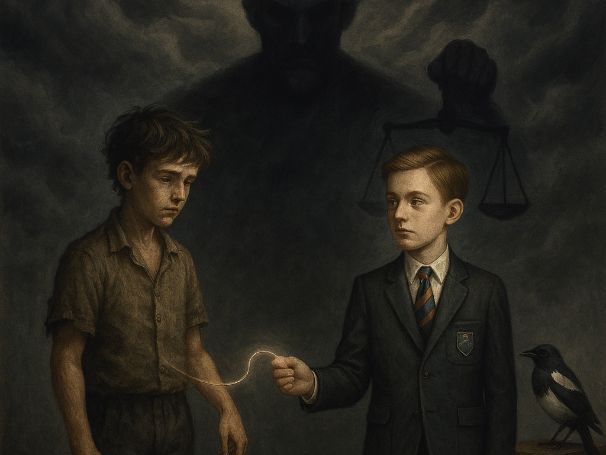
This theme explores how wealth and poverty dictate life chances, behaviour, and relationships. The stark contrast between the Johnstones and the Lyonses illustrates systemic inequality: Edward thrives thanks to privilege, while Mickey struggles with unemployment and despair. Russell critiques a society where money equates to power but not happiness. Students learn how class bias permeates institutions (e.g., the police) and personal interactions. This theme is vital for understanding the play’s social context and its critique of Thatcher-era Britain.
402 – Fate and Superstition
From the ominous prologue to the Narrator’s recurring warnings, fate looms large in Blood Brothers. The twins’ repeated reunions, despite efforts to separate them, reinforce inevitability. Superstition operates as both a psychological weapon and a thematic device—Mrs Lyons manipulates Mrs Johnstone with fabricated omens, while characters internalise irrational fears. This theme invites debate: is tragedy driven by destiny, superstition, or social class? Students engage with dramatic irony, motifs, and moral ambiguity, sharpening analytical skills.
403 – Childhood and Growing Up
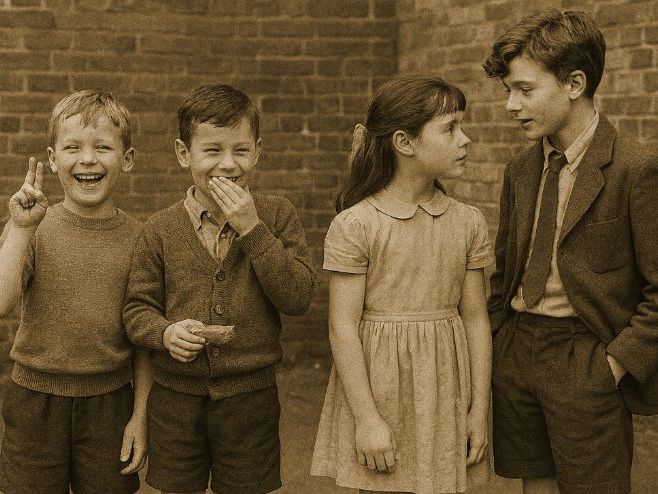
Russell contrasts the carefree innocence of childhood with the harsh realities of adulthood. Early scenes depict imaginative games and laughter, symbolising freedom from consequence. As the twins mature, insecurity, romantic confusion, and responsibility fracture their bond. Class differences magnify this divergence: Edward enjoys prolonged adolescence at university, while Mickey faces economic hardship and early adulthood. This theme encourages reflection on identity formation, opportunity, and the loss of innocence—key ideas for AO2 and AO4 analysis.
404 – Friendship
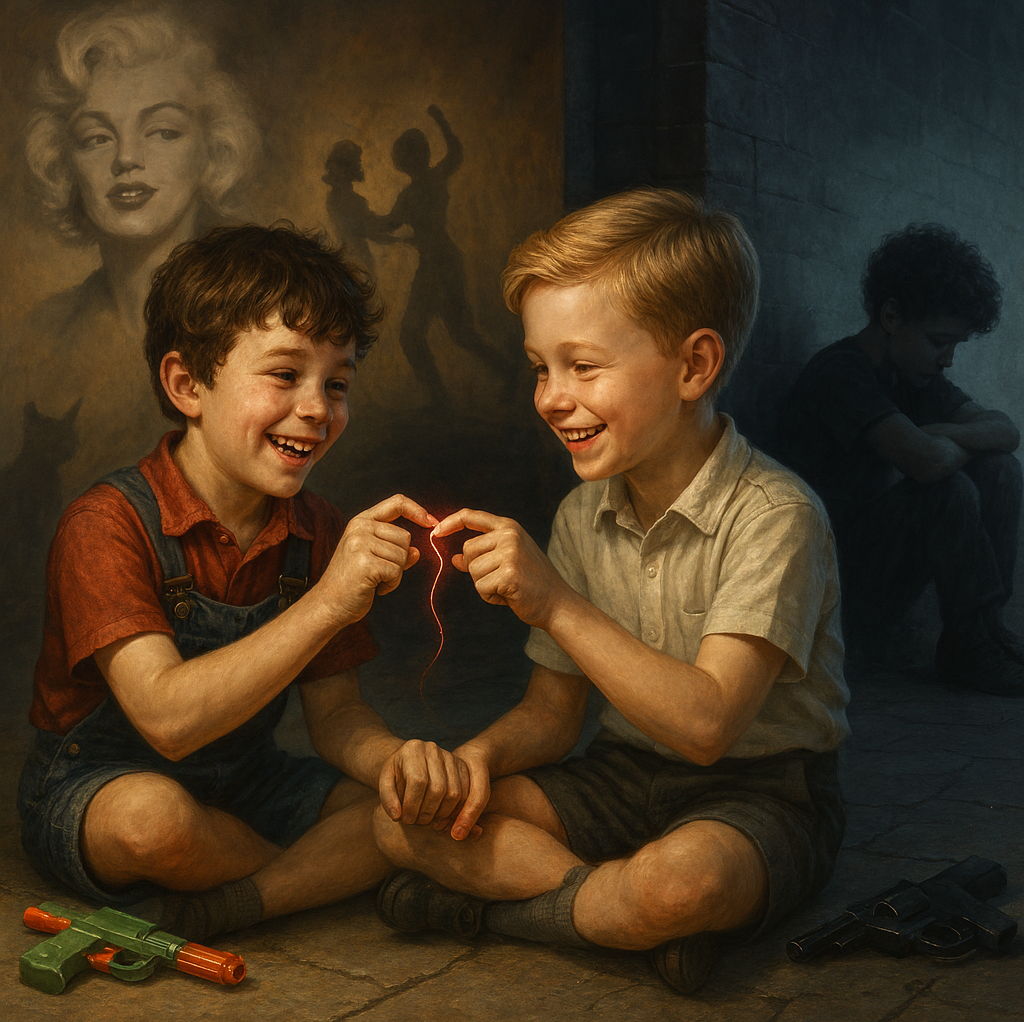
Friendship in Blood Brothers begins as a sanctuary from social divisions but becomes a casualty of inequality. Mickey and Edward’s bond, initially joyful and loyal, deteriorates under the weight of class disparity and resentment. Linda’s role adds emotional complexity, while the Narrator’s description of the trio as “innocent, immortal” foreshadows their tragic fate. This theme enables students to explore how personal relationships intersect with systemic forces, fostering empathy and critical engagement with Russell’s social critique.
405 – Identity
The play interrogates the tension between nature and nurture, asking whether identity is biologically determined or socially constructed. Mickey and Edward, genetically identical yet raised apart, embody this debate. Their contrasting lives highlight the influence of upbringing and class, while moments of rebellion suggest nature’s persistence. Characters’ longing to “be someone else” underscores the fragility of identity under structural constraints. This theme is ideal for exploring determinism, irony, and the interplay between personal agency and social forces.
406 – Gender
Russell uses Mrs Johnstone, Mrs Lyons, and Linda to critique rigid gender norms. Women in the play shoulder dual burdens as breadwinners and homemakers, while men remain absent yet control major decisions. Mrs Lyons’ desperation for motherhood reflects societal expectations linking femininity to childbearing, while Linda’s trajectory mirrors generational repetition of sacrifice. This theme invites discussion of patriarchy, stereotypes, and intersectionality, making it essential for contextual and thematic analysis.
Pedagogical Strength of the Bundle
Differentiation Made Easy: Five readability levels per theme ensure accessibility for all learners, including SEND and EAL.
Vocabulary Scaffolding: Each resource introduces key academic terms (e.g., determinism, patriarchy, dramatic irony) to build confidence and precision.
Exam Alignment: Structured questions progress from AO1 knowledge recall to AO4 evaluation, preparing students for GCSE success.
Inclusive Design: Suitable for mainstream classrooms, independent study, and alternative provision settings.
Moral and Social Reflection: Themes encourage debate on inequality, identity, and justice, fostering critical citizenship alongside literary analysis.
Why This Bundle Is Essential
This is not just a teaching aid—it’s a complete thematic toolkit for Blood Brothers. By combining accessibility with analytical depth, these resources empower teachers to deliver inclusive, high-impact lessons while saving planning time. Students gain the literacy, critical thinking, and exam skills needed to succeed, while engaging with themes that remain socially relevant.
Something went wrong, please try again later.
This resource hasn't been reviewed yet
To ensure quality for our reviews, only customers who have purchased this resource can review it
Report this resourceto let us know if it violates our terms and conditions.
Our customer service team will review your report and will be in touch.