




Save hours of planning with my purpose made premium teaching resources —designed by an experienced educator who understand what really works.
All powerpoints are designed to fully cover the criteria within the up to date syllabus for the subject and help you engage students instantly while maintaining rigorous academic standards.
Perfect for in-person, hybrid, or fully online learning, our resources are customizable, curriculum-aligned, and built to boost student confidence and results. Stop spending late nights creating materials from scratch and start focusing on what matters most — inspiring your students.
This powerpoint is purposefully made for iGCSE Biology students using the most recent Cambridge syllabus.
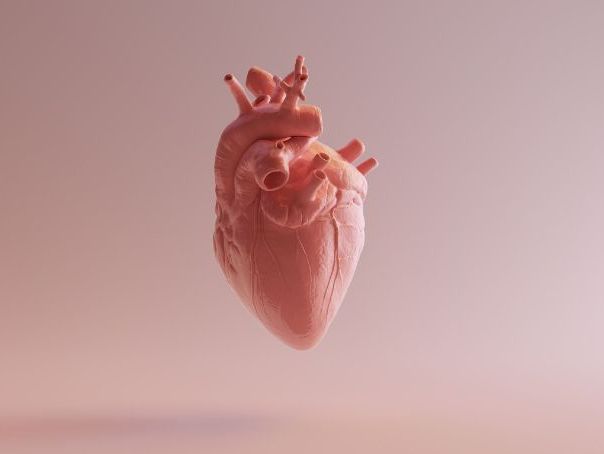
It covers the following criteria - 9.2 Heart
Core
-
Identify in diagrams and images the structures of the mammalian heart, limited to: muscular wall, septum, left and right ventricles, left and right atria, one-way valves and coronary arteries
-
State that blood is pumped away from the heart in arteries and returns to the heart in veins
-
State that the activity of the heart may be monitored by: ECG, pulse rate and listening to sounds of valves closing
-
Investigate and describe the effect of physical activity on the heart rate
-
Describe coronary heart disease in terms of the blockage of coronary arteries and state the possible risk factors including: diet, lack of exercise, stress, smoking, genetic predisposition, age and sex
-
Discuss the roles of diet and exercise in reducing the risk of coronary heart disease
Supplement
-
Identify in diagrams and images the atrioventricular and semilunar valves in the mammalian heart
-
Explain the relative thickness of:
(a) the muscle walls of the left and right ventricles
(b) the muscle walls of the atria compared to those of the ventricles -
Explain the importance of the septum in separating oxygenated and deoxygenated blood
-
Describe the functioning of the heart in terms of the contraction of muscles of the atria and ventricles and the action of the valves
-
Explain the effect of physical activity on the heart rate
Something went wrong, please try again later.
This resource hasn't been reviewed yet
To ensure quality for our reviews, only customers who have purchased this resource can review it
Report this resourceto let us know if it violates our terms and conditions.
Our customer service team will review your report and will be in touch.
£4.50