




Lesson 4: How Did the Steam Engine Change Industry?
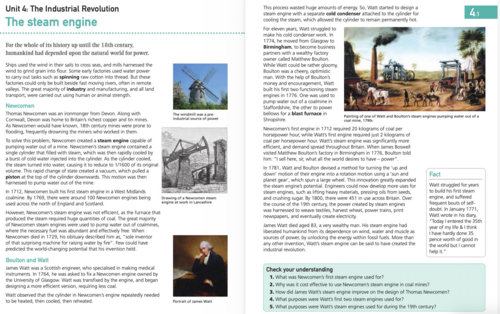
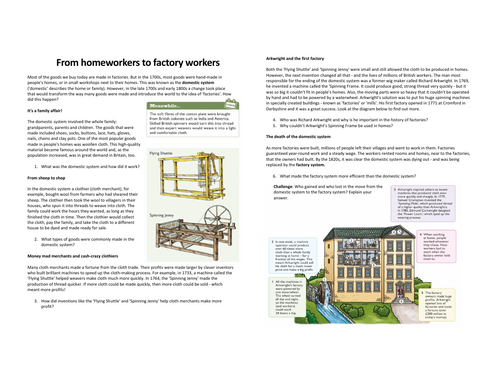
A clear and engaging KS3 History lesson exploring the development and impact of the steam engine during the Industrial Revolution. Students investigate how new sources of power transformed industry, moving Britain away from reliance on wind, water, and human or animal strength towards machine-driven production.
Through guided reading, source analysis, and structured questioning, pupils examine the work of key individuals such as Thomas Newcomen and James Watt, understanding how early steam engines were first used to pump water out of coal mines and how later improvements made them more efficient and powerful. Students explore how Watt’s design, including the separate condenser, reduced fuel use and allowed steam engines to be used in a wider range of industries.
Students analyse how steam power enabled factories to be built away from rivers, increasing production and supporting the rapid expansion of industry and towns. They also investigate the wider impact of steam engines on transport, manufacturing, and economic growth, including their role in powering machinery, trains, and industrial processes. 
The lesson concludes with a structured analytical task where students explain why the steam engine was such an important turning point, linking ideas such as efficiency, industrial growth, and technological innovation.
Includes
• Fully resourced PowerPoint lesson and printable worksheets
• Guided reading activity on the development of steam power
• Source-based comprehension questions on Newcomen and Watt
• Explanation tasks exploring how and why the steam engine improved
• Structured analytical writing task on the importance of steam power
• Challenge and extension questions to deepen understanding
• Model answers and instant feedback slides
• Homework task reinforcing key knowledge on the steam engine
• Exit-ticket retrieval quiz to consolidate learning
Why Teachers Love This Lesson
• Fully resourced and ready to teach
• Clearly explains a complex technological development in a simple, accessible way
• Excellent for mixed-ability classes with clear scaffolding and structured tasks
• Builds strong understanding of cause and consequence in industrial change
• Links directly to later topics such as transport, factories, and industrial growth
• Helps students understand why the steam engine is often seen as a key driver of the Industrial Revolution
Buy the full Industrial Revolution Unit Bundle and save 25%.
Leave a review on TES to receive two free lessons of your choice.
Something went wrong, please try again later.
This resource hasn't been reviewed yet
To ensure quality for our reviews, only customers who have purchased this resource can review it
Report this resourceto let us know if it violates our terms and conditions.
Our customer service team will review your report and will be in touch.
£3.00