


A GCSE primary source using an 1817 plantation inventory, paired with a museum-style interpretation board to support confident classroom discussion.
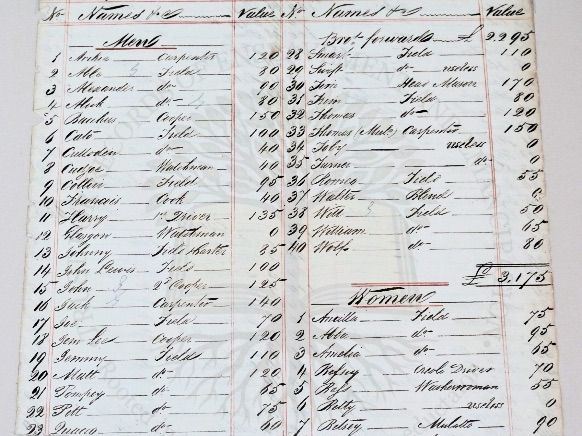
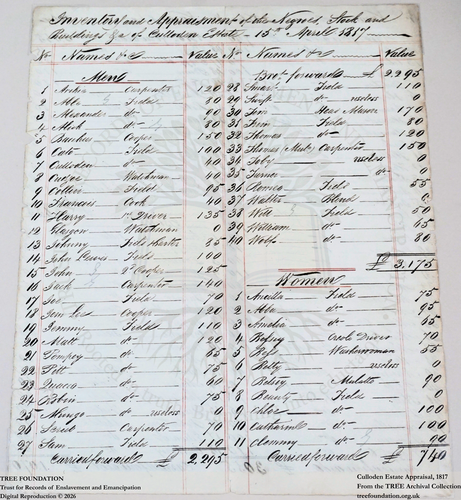
This GCSE-level primary source resource uses an original 1817 plantation inventory from the Culloden Estate to support evidence-led teaching of enslavement and historical record-keeping.
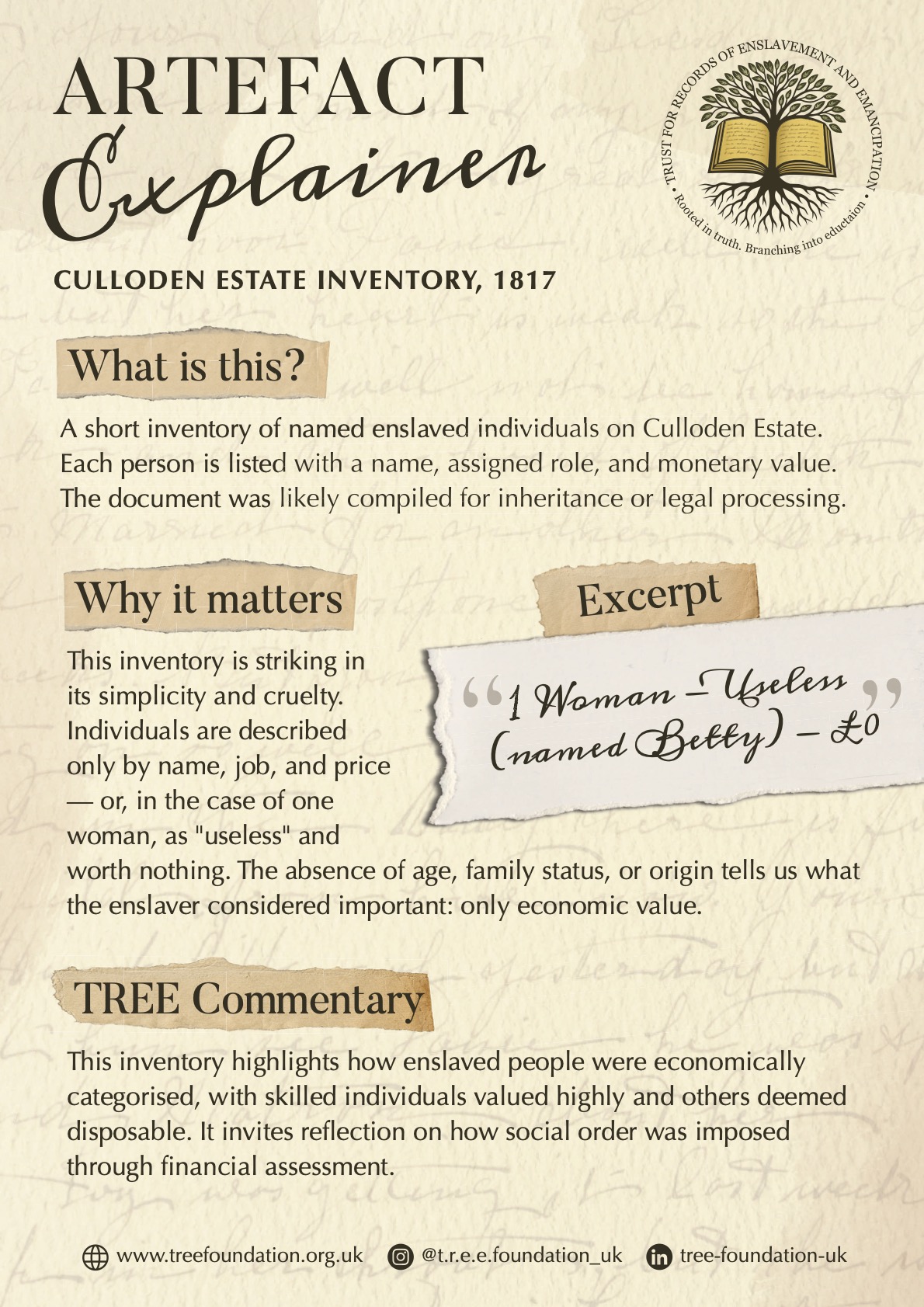
The inventory lists named enslaved men and women alongside assigned roles and monetary values. One individual is explicitly recorded as “useless” and valued at £0, offering a stark example of how human lives were reduced to economic worth within plantation systems.
To support safe and confident classroom use, the resource includes a professionally designed artefact interpretation board, modelled on museum and archive practice.
This explains what the document is, why it was created, and what it reveals about power, value, and omission in historical records.
What’s included
- High-resolution digital reproduction of the original 1817 plantation inventory (.PDF)
- Artefact interpretation board providing historical context and guidance (.PDF)
How it can be used
- GCSE History source analysis and interpretation
- Lessons on the Transatlantic Slave Trade and plantation slavery
- Discussion of language, value, and power in historical records
- Modelling how museums and archives contextualise difficult evidence
Curriculum links
- GCSE History: Britain and Empire
- KS4 historical interpretation and source evaluation
- Cross-curricular humanities and citizenship
This resource is carefully worded, evidence-led, and designed to give teachers confidence when working with challenging historical material.
Something went wrong, please try again later.
This resource hasn't been reviewed yet
To ensure quality for our reviews, only customers who have purchased this resource can review it
Report this resourceto let us know if it violates our terms and conditions.
Our customer service team will review your report and will be in touch.
£2.50