


Overview:
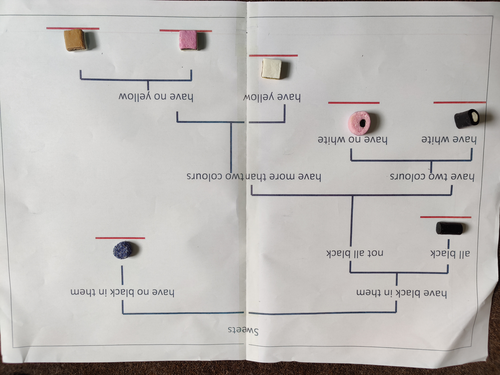
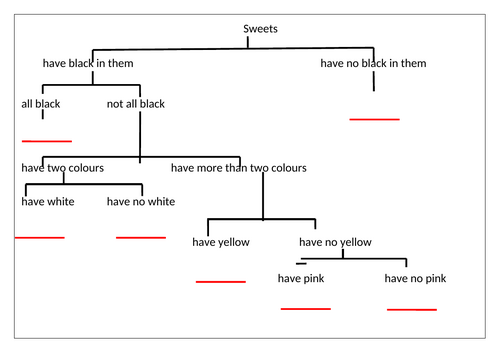
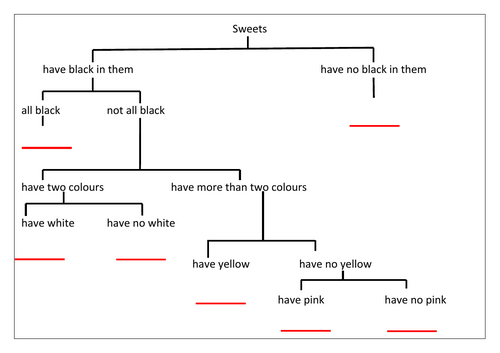
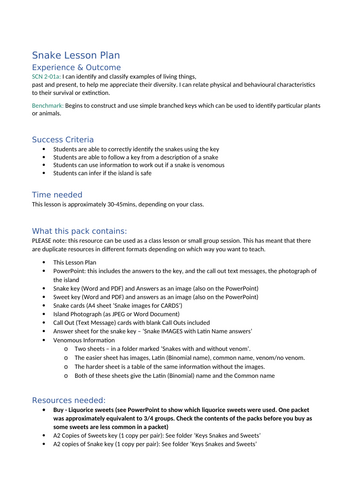
This resource provides a lesson plan and material for a 30–45-minute lesson. The target audience for this resource is for learners aged between 9 and 12 years. Using sweets as an example of biodiversity, this activity provides visual and tangible representations of particular characteristics and students use the key to distinguish the different types. This skill is then transferred to images of snakes, leading them able to meet learning outcome SCN 2-01a.
Background:
This resource was created as part of the University of Edinburgh’s primary and early secondary years Widening Participation initiative for Edinburgh City primary school pupils who feed into secondary schools with the lowest progression rate to higher education. We normalise and contextualise higher education via school and campus-based classes. It has been created for use as an Open Educational Resource (OER) by OER Service, the Information Services Group at the University. As an OER, teachers are welcome to make any changes to their resources according to their needs.
Objectives and Success Criteria:
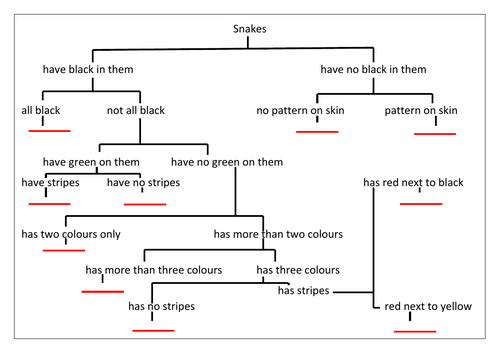
• Students are able to correctly identify the snakes using the key
• Students are able to follow a key from a description of a snake
• Students can use information to work out if a snake is venomous
• Students can infer if the island is safe
Experiences and Outcomes:
SCN 2-01a: I can identify and classify examples of living things, past and present, to help me appreciate their diversity. I can relate physical and behavioural characteristics to their survival or extinction.
Benchmark: Begins to construct and use simple branched keys which can be used to identify particular plants or animals.
This Pack Includes:
• This Lesson Plan
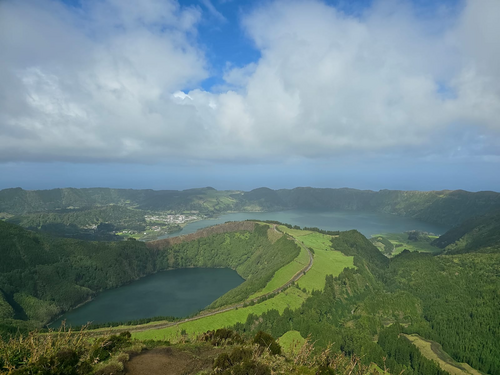
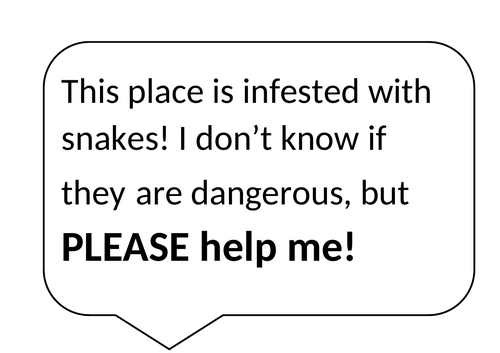
• PowerPoint: this includes the answers to the key, and the call out text messages, the photograph of the island
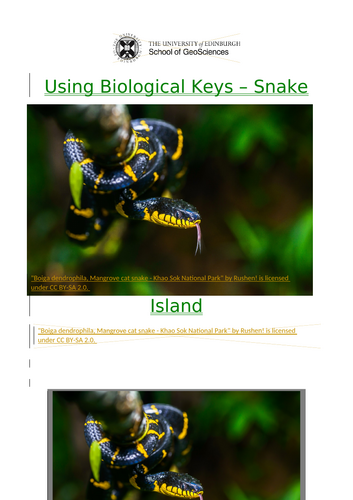
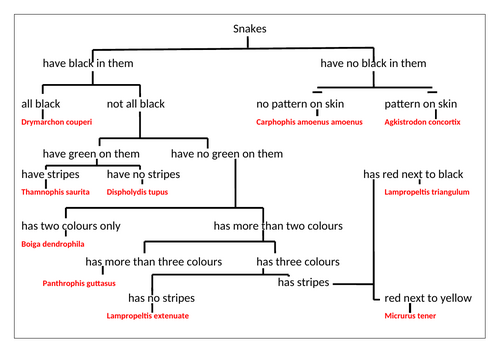
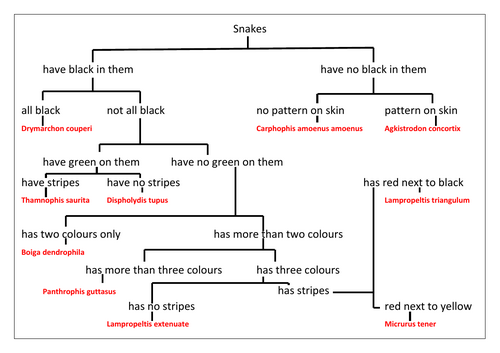
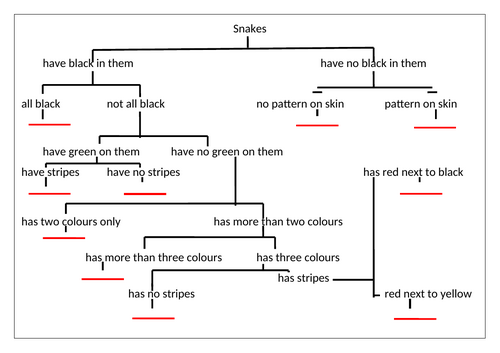
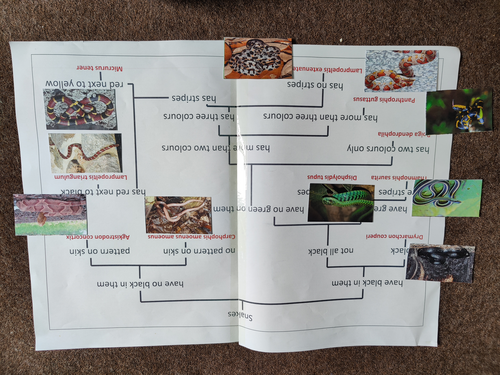
• Snake key (Word and PDF) and Answers as an image (also on the PowerPoint)
• Sweet key (Word and PDF) and answers as an image (also on the PowerPoint)
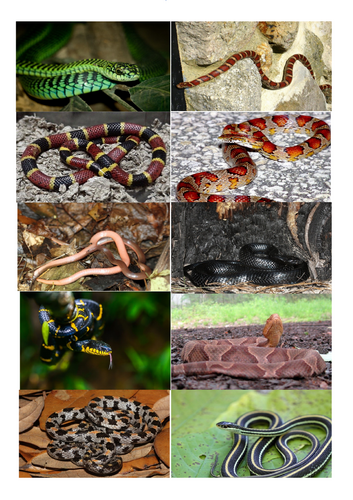
• Snake cards (A4 sheet ‘Snake images for CARDS’)
• Island Photograph (as JPEG or Word Document)
• Call Out (Text Message) cards with blank Call Outs included
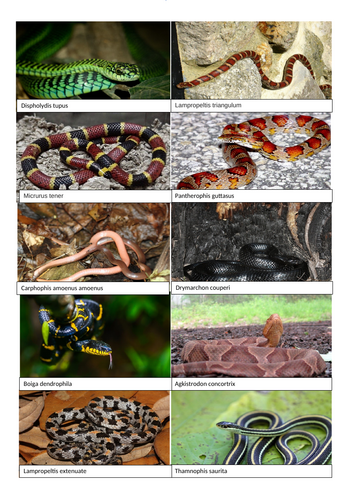
• Answer sheet for the snake key – ‘Snake IMAGES with Latin Name answers’
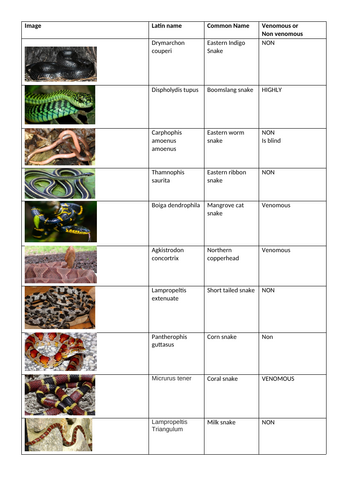
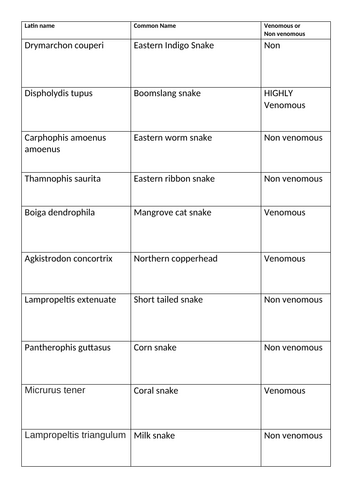
• Venomous Information
o Two sheets – in a folder marked ‘Snakes with and without venom’.
o The easier sheet has images, Latin (Binomial name), common name, venom/no venom.
o The harder sheet is a table of the same information without the images.
o Both of these sheets give the Latin (Binomial) name and the Common name
’Using Biological Keys – Snake Island’ was developed by Kay Douglas, and all content in this package is available under a CC BY-SA 4.0 license unless otherwise stated.
Something went wrong, please try again later.
This resource hasn't been reviewed yet
To ensure quality for our reviews, only customers who have downloaded this resource can review it
Report this resourceto let us know if it violates our terms and conditions.
Our customer service team will review your report and will be in touch.
£0.00