




This introductory lesson explores the structure and function of the mammalian skeletal system. Students learn about the major bones of the axial and appendicular skeleton, different bone and joint types, and the roles of ligaments and tendons.
The lesson also examines skeletal adaptations in a range of animal species, helping learners understand how structure relates to movement, survival and lifestyle.
Learning Objectives
Identify the structure and function of the mammalian skeletal system.
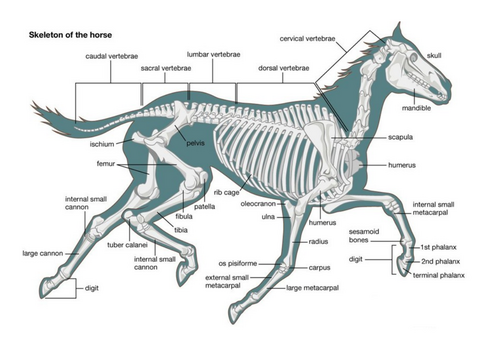
Describe the major bones and divisions of the skeleton.
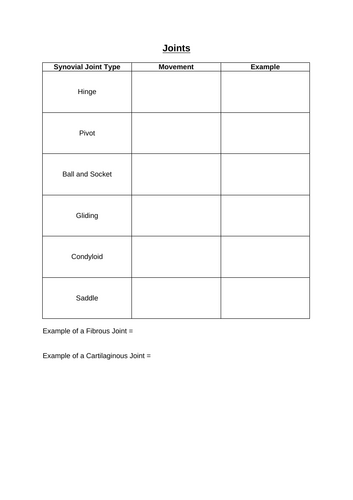
Explain the structure and function of different joint types.
Compare skeletal adaptations in animals living in different environments.
What’s Included:
Lesson PowerPoint
Axial and appendicular skeleton content
Vertebral column anatomy
Forelimb and hindlimb structure
Types of bones:
Long
Short
Flat
Sesamoid
Irregular
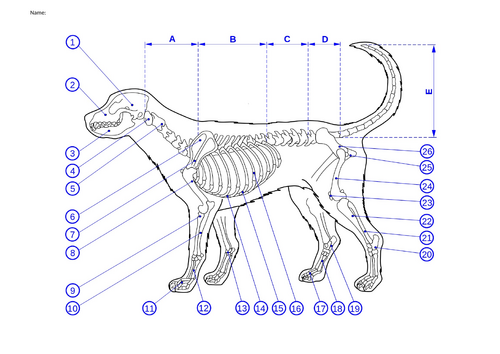
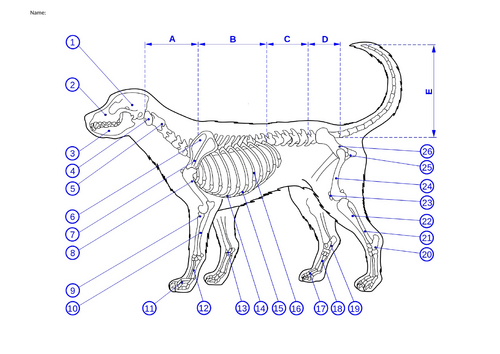
Skeleton labelling activities
Joint classification:
Fibrous
Cartilaginous
Synovial
Synovial joint structure and function
Ligament and tendon content
Bird vs mammal skeleton comparison
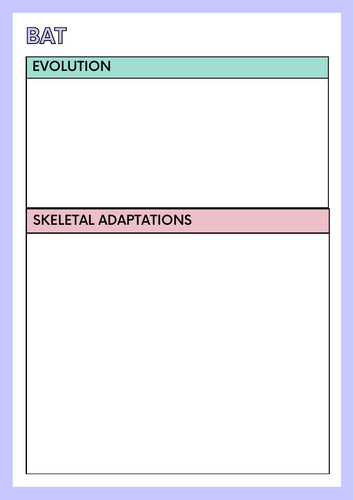
Animal adaptation research task
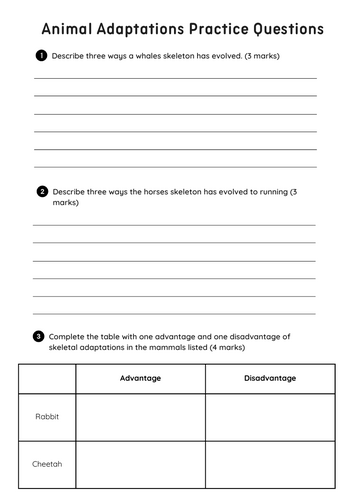
Exam-style practice questions
Suitable For
GCSE Biology
Applied Science
Animal Management
Anatomy & Physiology
BTEC Science
Post-16 Biology courses
Skills Developed
Anatomical identification
Structure-function analysis
Comparative biology
Scientific vocabulary
Research and revision skills
Keywords: skeletal system, bones, joints, skeleton, vertebral column, axial skeleton, appendicular skeleton, synovial joints, ligaments, tendons, skeletal adaptations, animal adaptations, anatomy and physiology, Applied Science, Animal Management.
Something went wrong, please try again later.
This resource hasn't been reviewed yet
To ensure quality for our reviews, only customers who have purchased this resource can review it
Report this resourceto let us know if it violates our terms and conditions.
Our customer service team will review your report and will be in touch.
£5.00