


A complete, fully-resourced lesson on sound, aligned to the Cambridge IGCSE (9-1) Physics (0972/0625) syllabus — section 3.4.
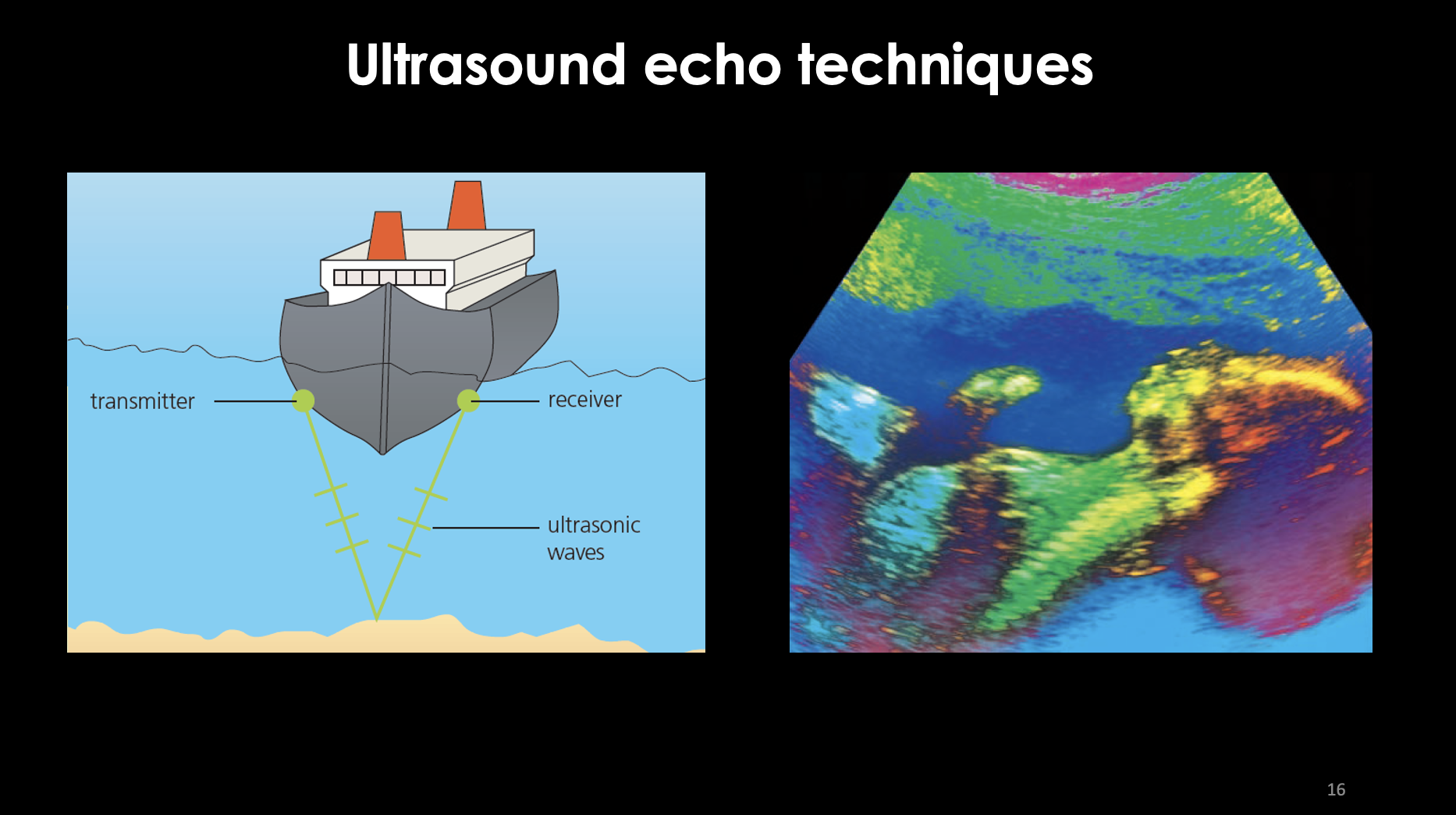
This resource, last updated June 2026, covers all twelve learning objectives: sound as a longitudinal wave produced by vibrating sources; compressions and rarefactions; the requirement for a medium (sound cannot travel through a vacuum); the audible frequency range (20 Hz–20,000 Hz) and the distinction between infrasound, audible sound, and ultrasound (above 20 kHz); the relationship between amplitude and loudness, and frequency and pitch; echoes as the reflection of sound waves; the speed of sound in air (approximately 330–350 m/s) and how it varies across solids, liquids, and gases; three embedded YouTube methods for experimentally determining the speed of sound (distance/time and echo methods); and the uses of ultrasound — including non-destructive material testing, medical soft-tissue scanning, and sonar (with depth/distance calculations from wave speed and time).
Includes retrieval questions and exam-style Q&A slides — suitable for Years 9–11.
Part of the complete Cambridge IGCSE Physics (0972/0625) Waves series — all individual lessons are available separately or as a bundle in the shop.
Explore the full series in the shop for all other units: https://www.tes.com/teaching-resource/igcse-physics-waves-unit-bundle-7-full-lessons-0972-0625-13480926
Something went wrong, please try again later.
This resource hasn't been reviewed yet
To ensure quality for our reviews, only customers who have purchased this resource can review it
Report this resourceto let us know if it violates our terms and conditions.
Our customer service team will review your report and will be in touch.
£3.00