



Overview:
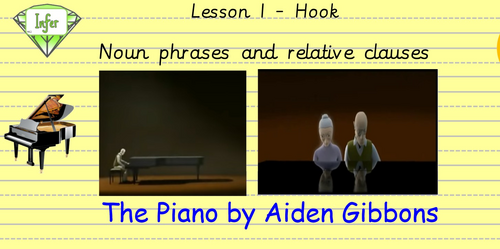
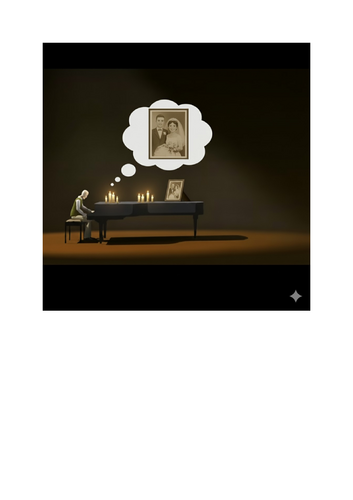
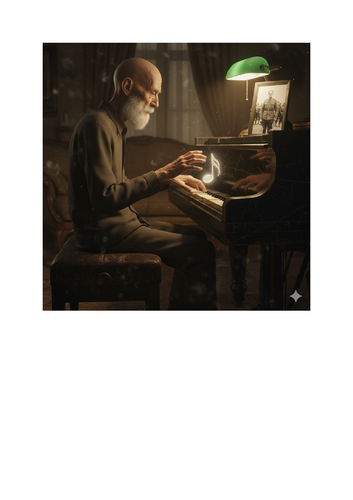
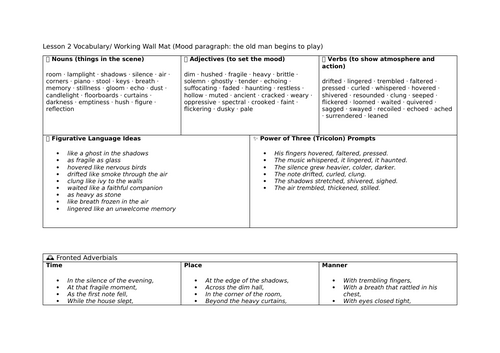
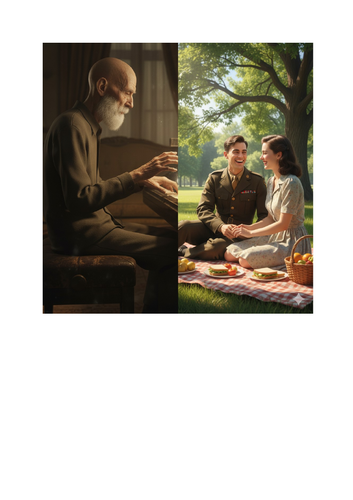
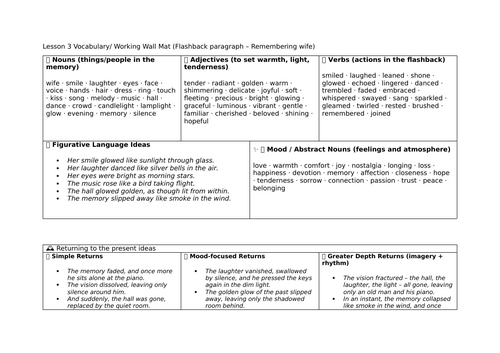
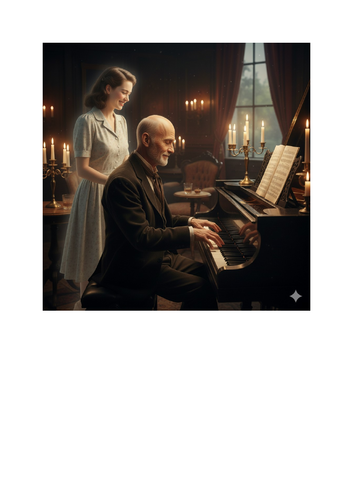
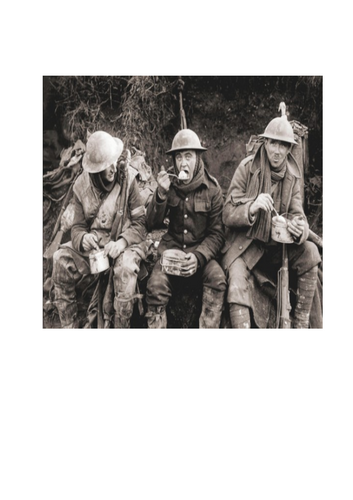
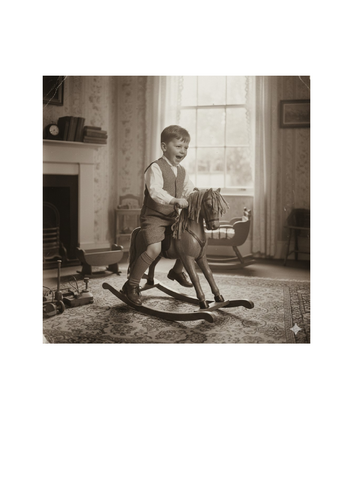
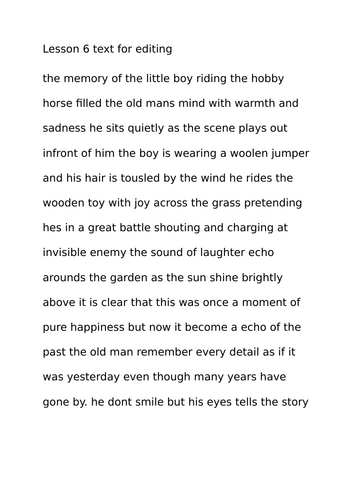
In this unit, pupils will create a complete narrative inspired by the short film The Piano by Aidan Gibbons. The story follows an old man at his piano, whose music triggers powerful memories of his wife, his time at war, and his childhood. Through description, mood-building, flashbacks, and reflection, pupils will learn how to move fluently between present and past, how to use grammar for precision and effect, and how to leave the reader with a thought-provoking, emotional ending.
Narrative Aim:
To write a multi-paragraph narrative that blends present-day description with flashbacks, showing contrast between warmth, loss, chaos, and youthful energy, before returning to a reflective present.
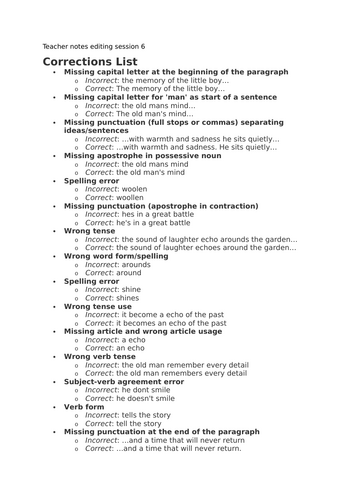
Key Grammatical Skills Covered
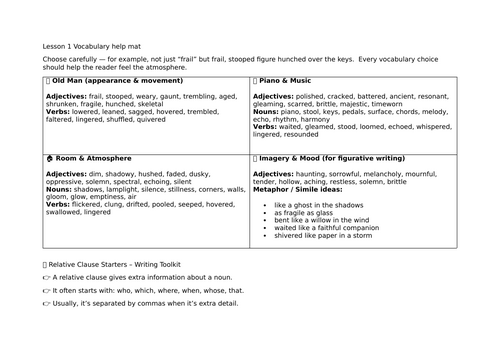
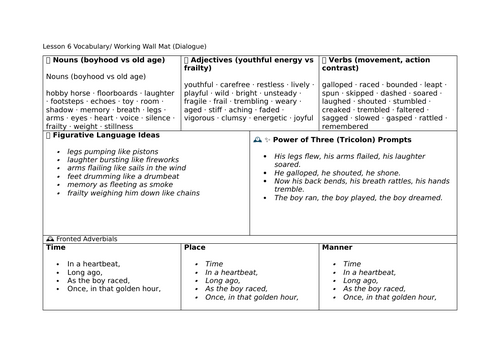
Expanded noun phrases with adjectives and prepositional phrases for rich description.
Relative clauses (who, which, where, when, whose, that) to add precision and detail.
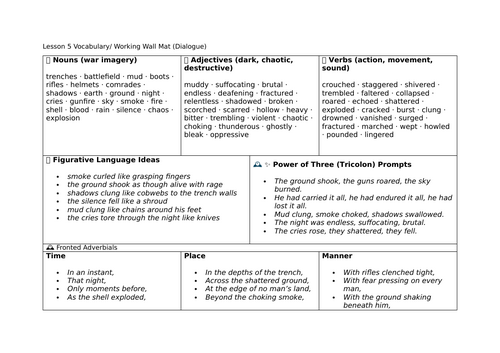
Fronted adverbials of time, place, and manner (with commas) to guide mood and flow.
Commas to avoid ambiguity (distinguishing extra vs identifying information).
Tense shifts (present → past simple/past perfect → return to present) to signal flashbacks.
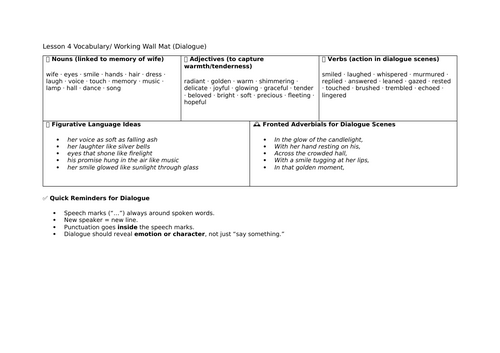
Dialogue punctuation (inverted commas, commas before reporting clause, new speaker/new line) used sparingly to show character and emotion.
Dashes (–) for sudden shifts in thought or action, particularly in tense war flashbacks.
Sentence variety (long sentences for atmosphere; short sentences for impact).
Tricolons (power of three) for rhythm and emphasis in description, emotion, and contrast.
Comparative structures (then vs now) to highlight the difference between memory and present.
Something went wrong, please try again later.
This resource hasn't been reviewed yet
To ensure quality for our reviews, only customers who have purchased this resource can review it
Report this resourceto let us know if it violates our terms and conditions.
Our customer service team will review your report and will be in touch.
£10.00