


Part 1: English Legal System
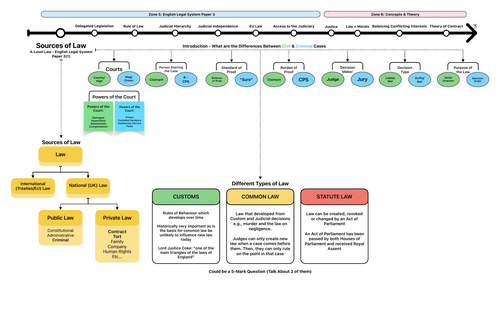
- Sources of Law
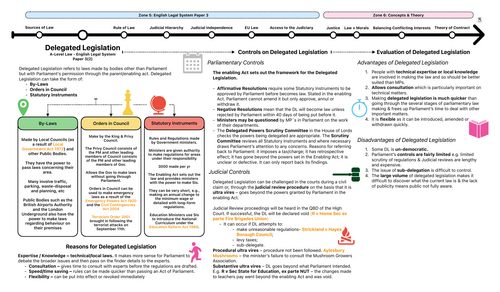
- Delegated Legislation
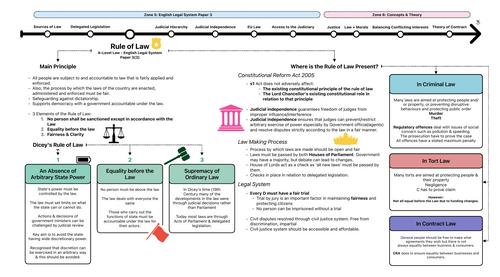
- Rule of Law
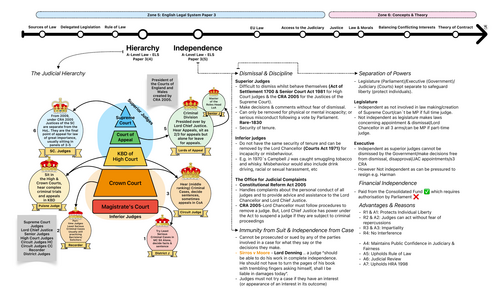
- Judicial Hierarchy
- Judicial Independence
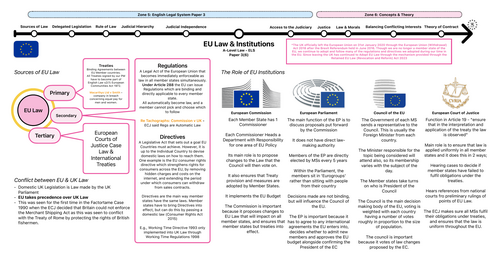
- EU Law
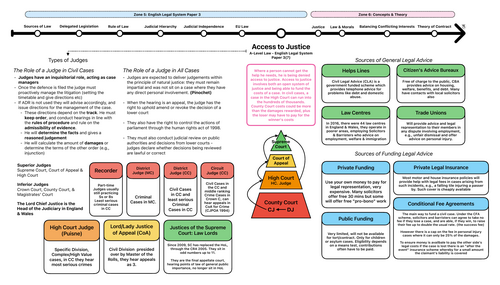
- Access to Justice
Part 2: Substantive Law – Contract
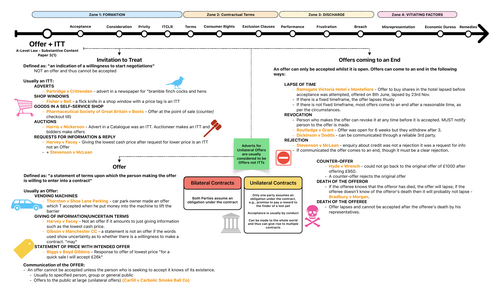
- Offer & Invitation to Treat – Covers the distinction between offers and invitations to treat, including key authorities such as Carlill v Carbolic Smoke Ball Co, Fisher v Bell, Partridge v Crittenden, Pharmaceutical Society v Boots and Hyde v Wrench.
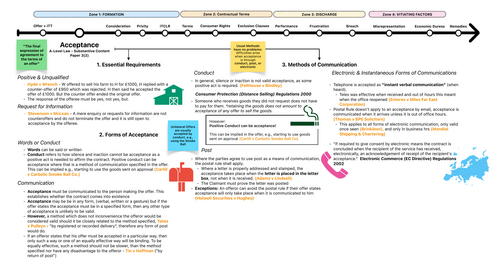
- Acceptance – Covers the requirements and methods of acceptance, communication, acceptance by conduct, the postal rule and electronic/instantaneous communications.
- Consideration & Privity – Covers the essential requirements and rules of consideration, past consideration, performance, promissory estoppel and the doctrine of privity, including the Contracts (Rights of Third Parties) Act 1999.
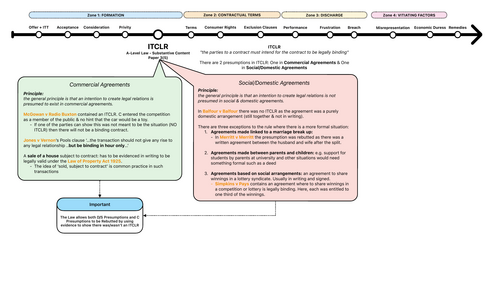
- Intention to Create Legal Relations – Covers the presumptions applying to social/domestic and commercial agreements, together with the key case law used to establish whether an agreement is legally binding.
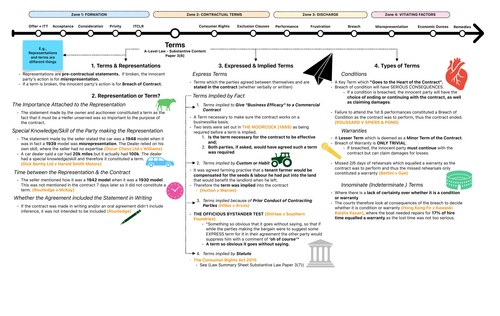
- Terms – Covers representations and terms, express and implied terms, terms implied by fact, custom, prior dealings and statute, and the distinction between conditions, warranties and innominate terms.
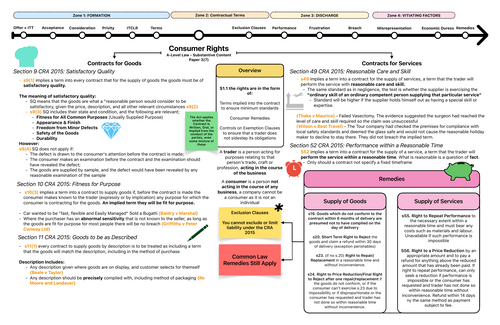
- Consumer Rights – Covers the Consumer Rights Act 2015, including satisfactory quality, fitness for purpose, goods as described, reasonable care and skill, reasonable time, consumer remedies and statutory protection.
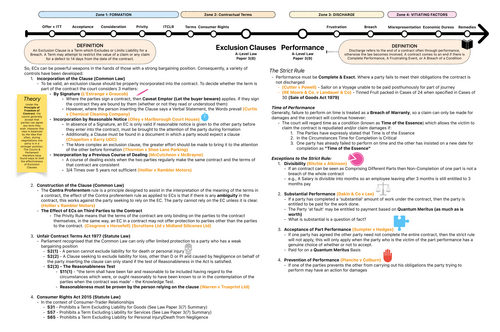
- Exclusion Clauses – Covers incorporation, signature, reasonable notice, previous course of dealing, construction of exclusion clauses, contra proferentem, the Unfair Contract Terms Act 1977 and the Consumer Rights Act 2015.
- Performance – Covers the strict rule of complete performance and its exceptions, including divisibility, substantial performance, acceptance of part performance and prevention of performance.
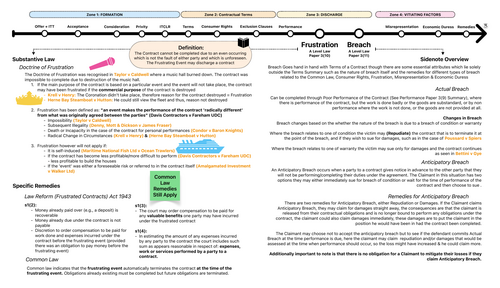
- Frustration – Covers the doctrine of frustration, frustrating events, impossibility, subsequent illegality, radical change of circumstances, self-induced frustration and the Law Reform (Frustrated Contracts) Act 1943.
- Breach – Covers actual and anticipatory breach, breach of conditions and warranties, repudiation, damages and the choices available to a claimant following anticipatory breach.
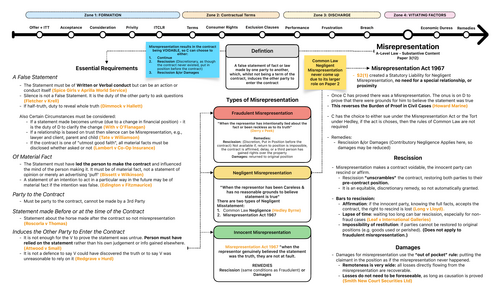
- Misrepresentation – Covers the requirements for misrepresentation, fraudulent, negligent and innocent misrepresentation, the Misrepresentation Act 1967, rescission and damages.
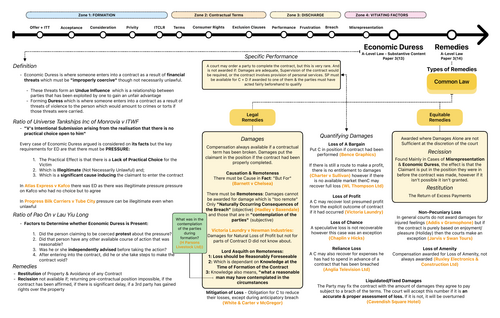
- Economic Duress – Covers illegitimate pressure, lack of practical choice, causation and the key factors used by courts when determining whether economic duress has occurred.
- Remedies
Part 3: Concepts & Theory
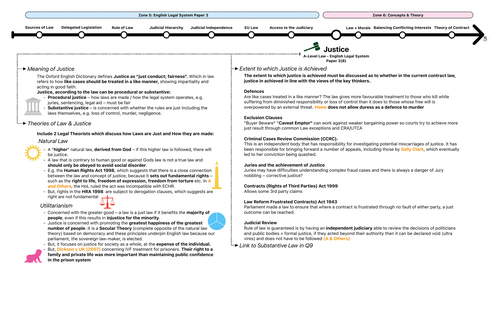
- Justice
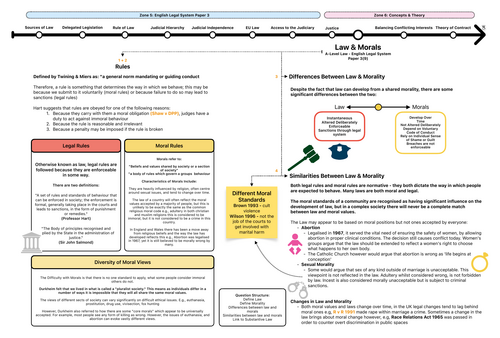
- Law & Morals
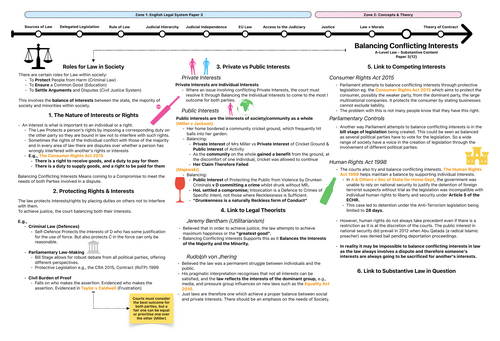
- Balancing Conflicting Interests
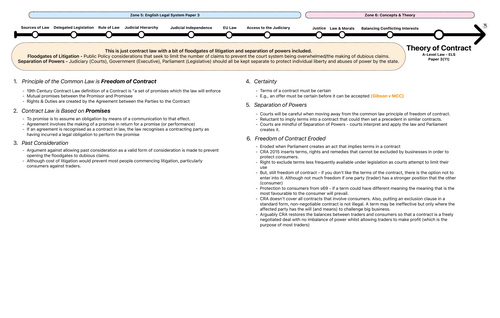
- Theory of Contract
Get this resource as part of a bundle and save up to 20%
A bundle is a package of resources grouped together to teach a particular topic, or a series of lessons, in one place.
Something went wrong, please try again later.
This resource hasn't been reviewed yet
To ensure quality for our reviews, only customers who have purchased this resource can review it
Report this resourceto let us know if it violates our terms and conditions.
Our customer service team will review your report and will be in touch.
£25.00