


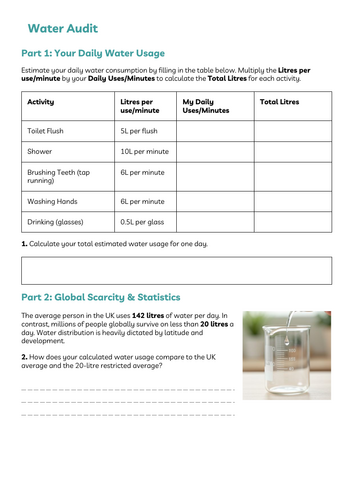
Introduce students to the unequal geography of the world’s essential resources with this clear and engaging Year 9 Geography lesson. Learners explore how food, water and energy are distributed across the globe, using world maps to identify regions of abundance and scarcity. The lesson builds strong geographical literacy by helping students interpret how cartographers represent global inequality through colour, scale and spatial patterns.
Students examine the concepts of surplus and deficit, before analysing how physical geography, climate and levels of development shape access to vital resources. This lesson provides a powerful foundation for understanding why resource management is a global challenge.
A PPT and worksheet are included, offering a ready‑to‑teach resource that supports map interpretation, explanation and analytical thinking.
Learning Objective:
To understand how essential resources are distributed globally and why access varies between regions.
Success Criteria:
- Identify global patterns of food, water and energy distribution.
- Explain the difference between surplus and deficit.
- Analyse how physical geography and climate shape resource access.
- Interpret how cartographers represent global inequality.
Some visuals in this resource were made with AI to help bring ideas to life and support student understanding.
Something went wrong, please try again later.
This resource hasn't been reviewed yet
To ensure quality for our reviews, only customers who have purchased this resource can review it
Report this resourceto let us know if it violates our terms and conditions.
Our customer service team will review your report and will be in touch.
£2.00