


Understanding Adverse Childhood Experiences (ACES) and Building Resilience
Format: PowerPoint
Slides: 18
Includes: Images, video links, statistics, discussion points
Audience: Teachers, support staff, leaders, pastoral teams, SEND staff
Overview
This 18-slide ACES Trauma Training PowerPoint provides a clear, accessible introduction to Adverse Childhood Experiences (ACES) and their impact on children’s development, behaviour, learning, and wellbeing. The presentation also explores protective factors, PACES, and practical supportive strategies schools can use to create trauma-informed environments.
Designed for CPD and staff training, the slides include visuals, real statistics, reflection questions, and video links to support understanding and discussion.
Slide Breakdown (18 Slides)
- Introduction to ACES
What ACES are
Why they matter in education
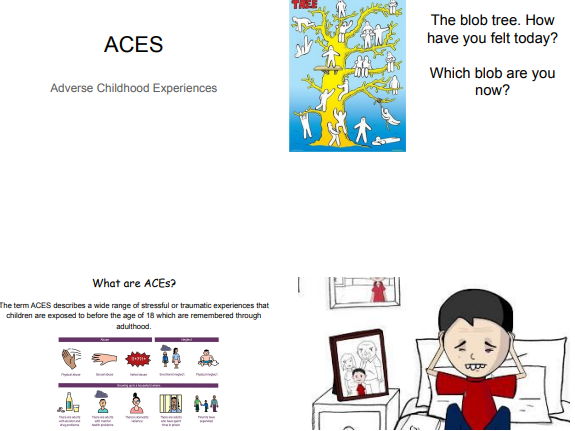
- What Are ACES?
Definition of ACES
Examples (abuse, neglect, household challenges)
- Types of ACES
Abuse
Neglect
Household adversity
Visual icons/images included
- How Common Are ACES?
Key UK and global statistics
Data presented visually
- Brain Development & Trauma
How trauma affects the developing brain
Stress response explained simply
- Impact of ACES on Behaviour
Fight, flight, freeze responses
Why behaviour is communication
- Impact of ACES on Learning
Attention
Memory
Emotional regulation
- Long-Term Impact of ACES
Mental health
Physical health
Life outcomes
Statistics included
- ACES in the Classroom
What trauma may look like in school
Case examples
- Trauma-Informed Practice
Key principles
Creating emotionally safe environments
- Supportive Strategies
Consistency
Relationships
Regulation strategies
Visual supports
- What Helps?
Predictability
Safe adults
Connection before correction
- The Protective Factors
Introduction to protective factors
Why they matter
- The Protective Wheel
Visual protective wheel
Relationships, safety, routines, support
- What Are PACES?
Positive Childhood Experiences
How they build resilience
- ACES vs PACES
Balance of risk and protection
Visual comparison
- What Schools Can Do
Whole-school approaches
Staff wellbeing
Trauma-informed culture
- Reflection & Next Steps
Discussion questions
Staff reflection
Further reading and video links
Key Topics Covered
Adverse Childhood Experiences (ACES)
Impact of trauma on behaviour and learning
Brain development and toxic stress
Supportive and trauma-informed strategies
Protective factors and the Protective Wheel
Positive Childhood Experiences (PACES)
Ideal For
Whole-school CPD
Safeguarding training
SEND and pastoral teams
Behaviour support training
Senior leaders and governors
Features
Clear, professional layout
Images to support understanding
Video links for discussion
Real statistics presented accessibly
Reflection and discussion opportunities
Something went wrong, please try again later.
This resource hasn't been reviewed yet
To ensure quality for our reviews, only customers who have purchased this resource can review it
Report this resourceto let us know if it violates our terms and conditions.
Our customer service team will review your report and will be in touch.
£4.00