pptx, 1.37 MB
pptx, 1.37 MB

T Level Digital Software Development Year 2: teach 3.2 user feedback and software evaluation with practical examples, activities and teacher notes.

This editable PowerPoint helps students understand how developers collect and use evidence to evaluate and improve software. It covers Occupational Specialism 3.2 through approachable examples and short activities.

Topics covered:

  • Qualitative and quantitative data
  • Surveys and questionnaires
  • Verbal feedback and interviews
  • User observation
  • Focus groups and representative users
  • Performance and usage data
  • Peer mentoring
  • Line management and appraisal
  • Turning evidence into recommendations

What’s included:

  • A 18-slide editable PowerPoint
  • Clear examples and questions throughout
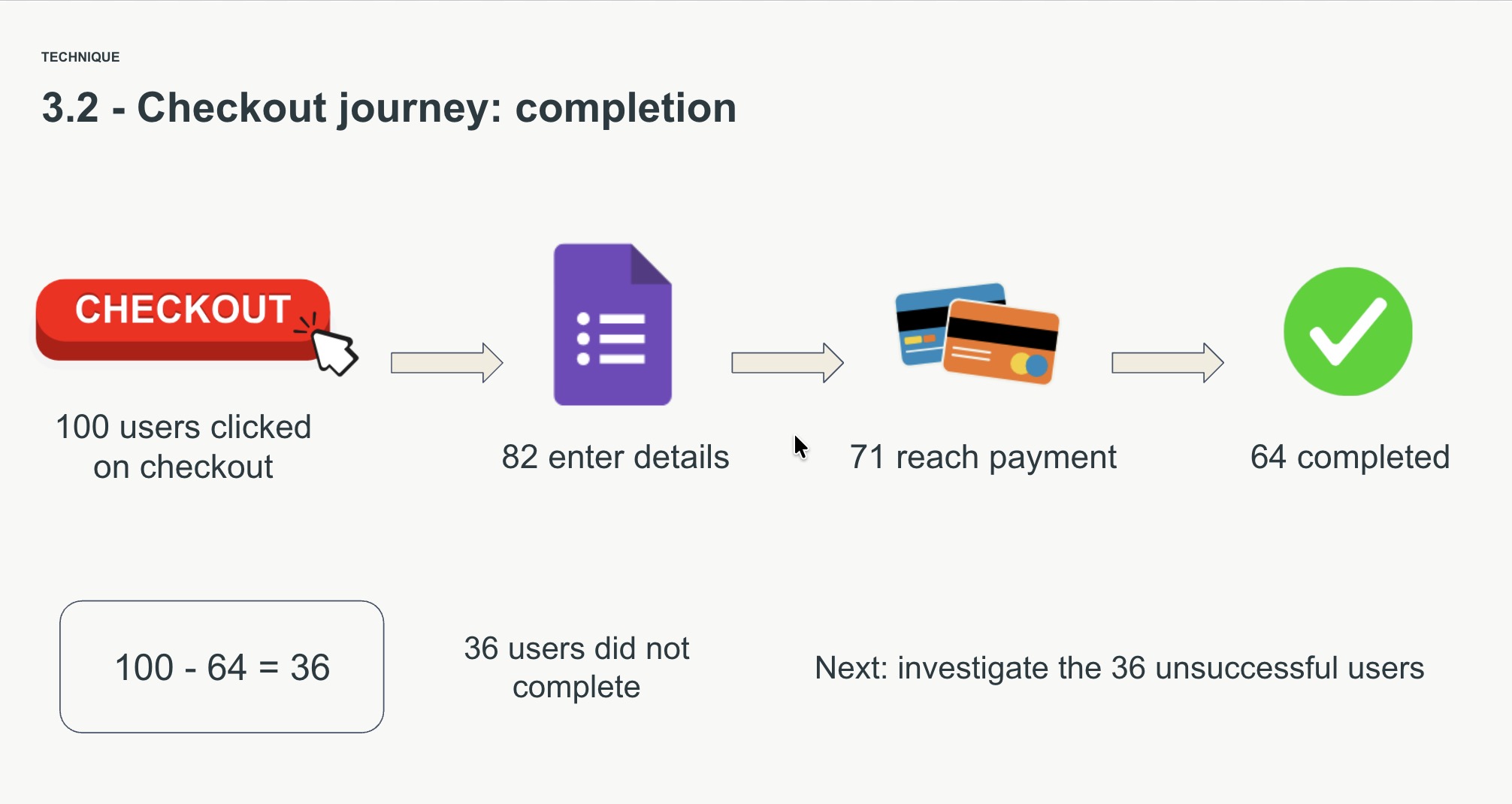
  • A checkout journey scenario showing how usage data can reveal problems
  • A short peer-review code activity
  • Teacher notes with suggested answers and discussion prompts
  • A final check of learning

The resource is designed for Year 2 students who need to select appropriate feedback methods and use evidence to justify improvements to software.

Aligned to Pearson T Level Digital Software Development, Occupational Specialism 3.2. This is an independently produced teaching resource.

Get this resource as part of a bundle and save up to 20%

A bundle is a package of resources grouped together to teach a particular topic, or a series of lessons, in one place.

Bundle

T Level DSD Year 2 Bundle Content Area 3

T Level DSD Year 2 bundle: two editable PowerPoints, a working HTML website with code and a guided workbook for interactive research and user feedback. Teach Occupational Specialism 3.1 and 3.2, then help students apply their knowledge through a practical software evaluation challenge. **This bundle includes three resources:** **3.1 Evaluating Sources of Knowledge** An editable PowerPoint covering technical information sources and how to evaluate reputation, bias, evidence, currency and independent confirmation. Includes software development examples, short activities and teacher notes. **3.2 Gathering User Feedback** An editable PowerPoint covering qualitative and quantitative data, surveys, interviews, verbal feedback, observation, focus groups, performance data, peer mentoring and formal reviews. Includes examples, interactive questions and teacher notes. **Software Evaluation Activity Pack** A working HTML shop prototype and a seven-page editable Word workbook. Students run the website, test shopping tasks with other users, record observations, collect feedback, evaluate research sources and recommend improvements. **Practical skills students develop:** - Selecting suitable research sources and feedback methods. - Distinguishing observations from interpretations. - Recording task success, completion times and user comments. - Calculating completion rates. - Justifying improvements using research and user evidence. - Planning how to retest a software solution. **Easy classroom setup** Open the supplied HTML file in a browser. No installation, accounts, API keys or coding experience are required. The website works offline; internet access is needed for the research stage. Orders are simulated and no payment is taken. Use the presentations to introduce the concepts, followed by the practical investigation for consolidation. The activity takes approximately 75–90 minutes and suits paired or small-group work. Designed for T Level Digital Software Development Year 2, Occupational Specialism 3.1 and 3.2. This is an independently produced teaching resource.

£7.45

Reviews

Something went wrong, please try again later.

This resource hasn't been reviewed yet

To ensure quality for our reviews, only customers who have purchased this resource can review it

Report this resourceto let us know if it violates our terms and conditions.
Our customer service team will review your report and will be in touch.