


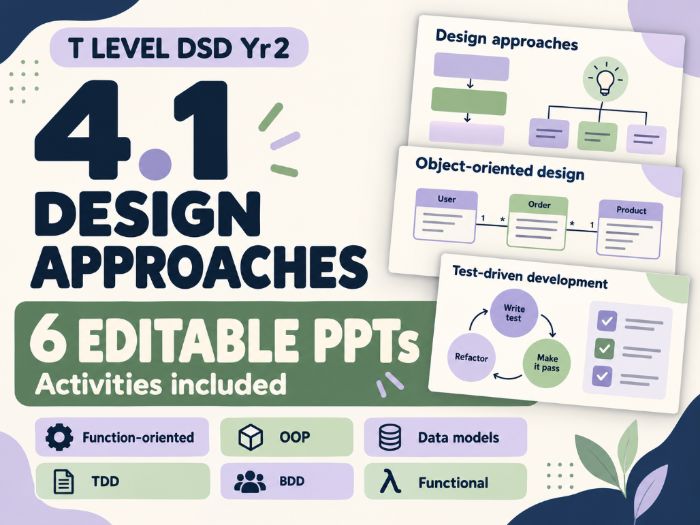
Teach T Level DSD Year 2 section 4.1 with 6 editable PowerPoints, each covering a different design approach, with activities inside every PPT.
This scenario-based bundle introduces common software design approaches through clear explanations, worked examples and practical student activities. It helps learners connect design decisions to the prototypes and system designs they develop for their assessments.
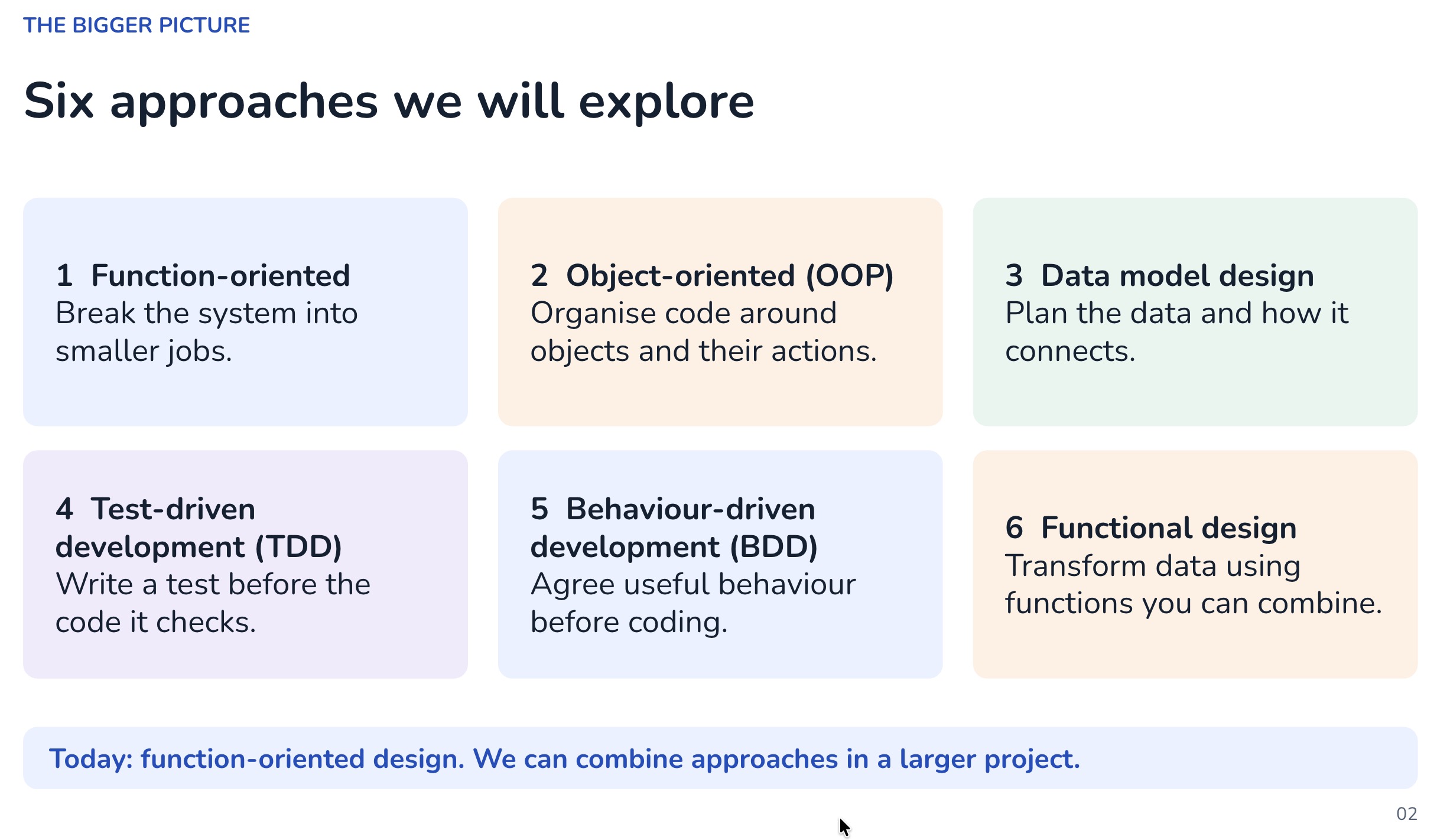
Six editable PowerPoints included:
- Function-oriented design: breaking a system into smaller functions, tracing data through a system and building data flow diagrams step by step.
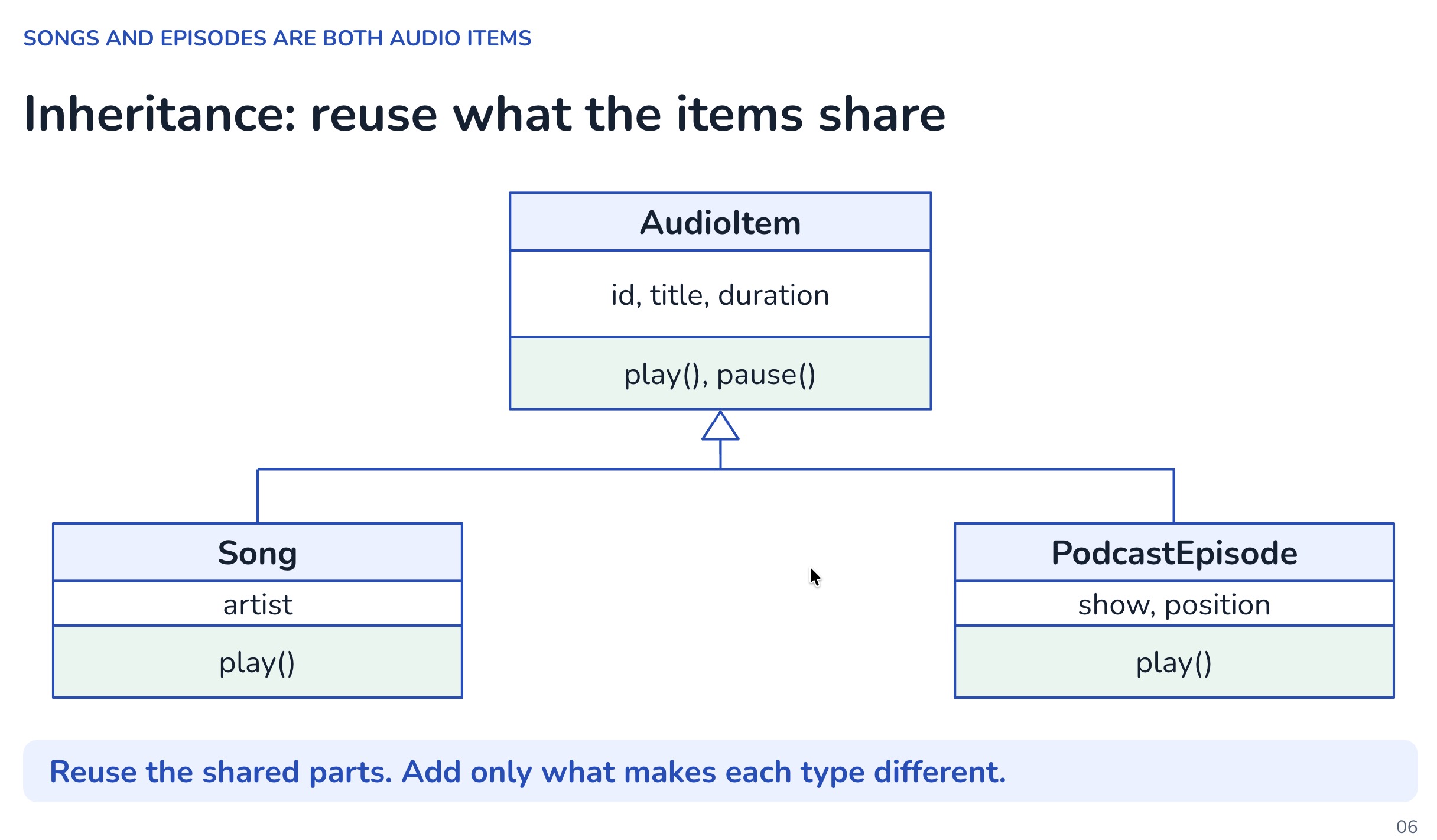
- Object-oriented design: classes, objects, methods, core OOP concepts and simple design patterns.
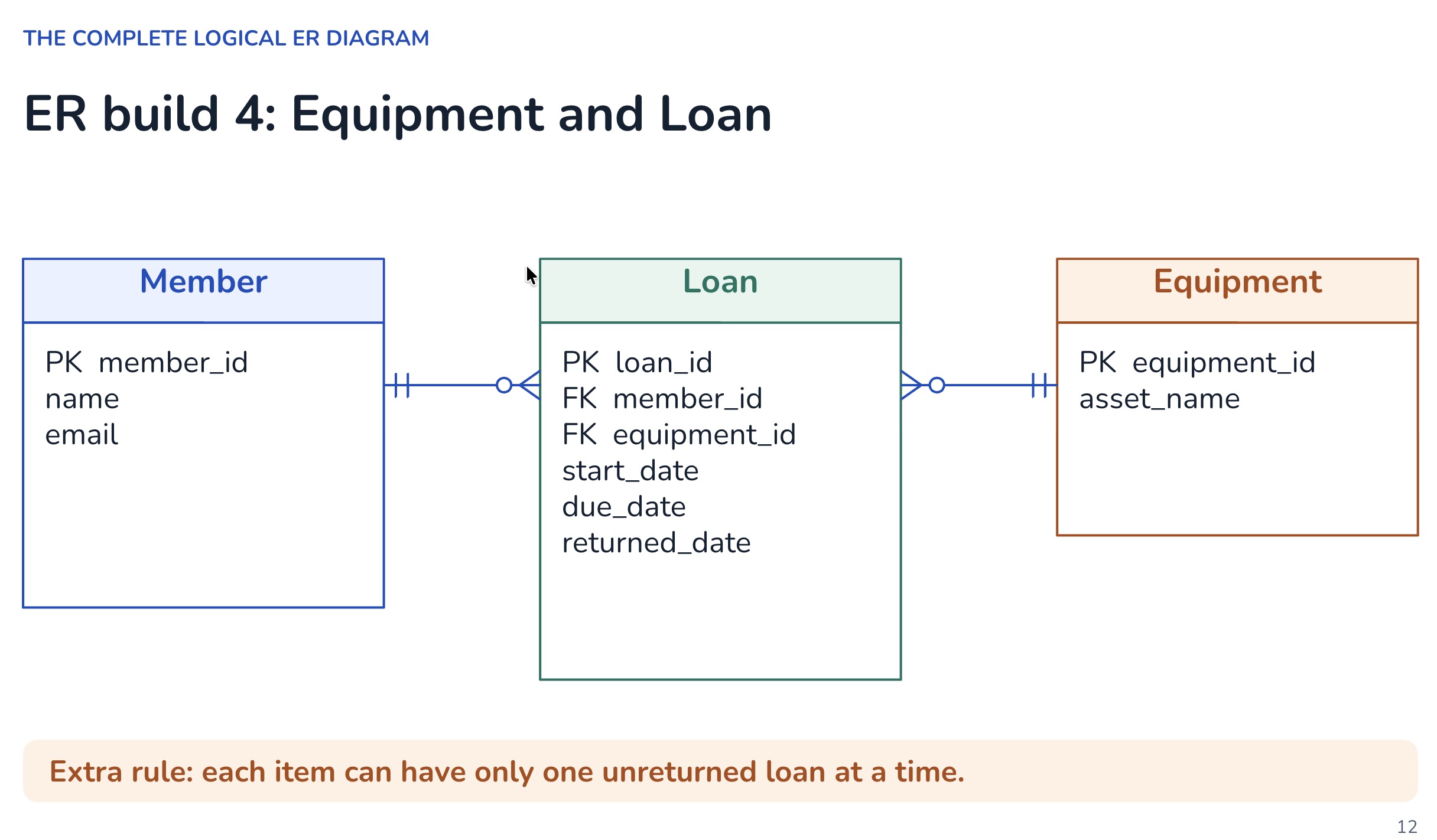
- Data model design: organising data, identifying keys and relationships, and gradually constructing ER and UML class diagrams.
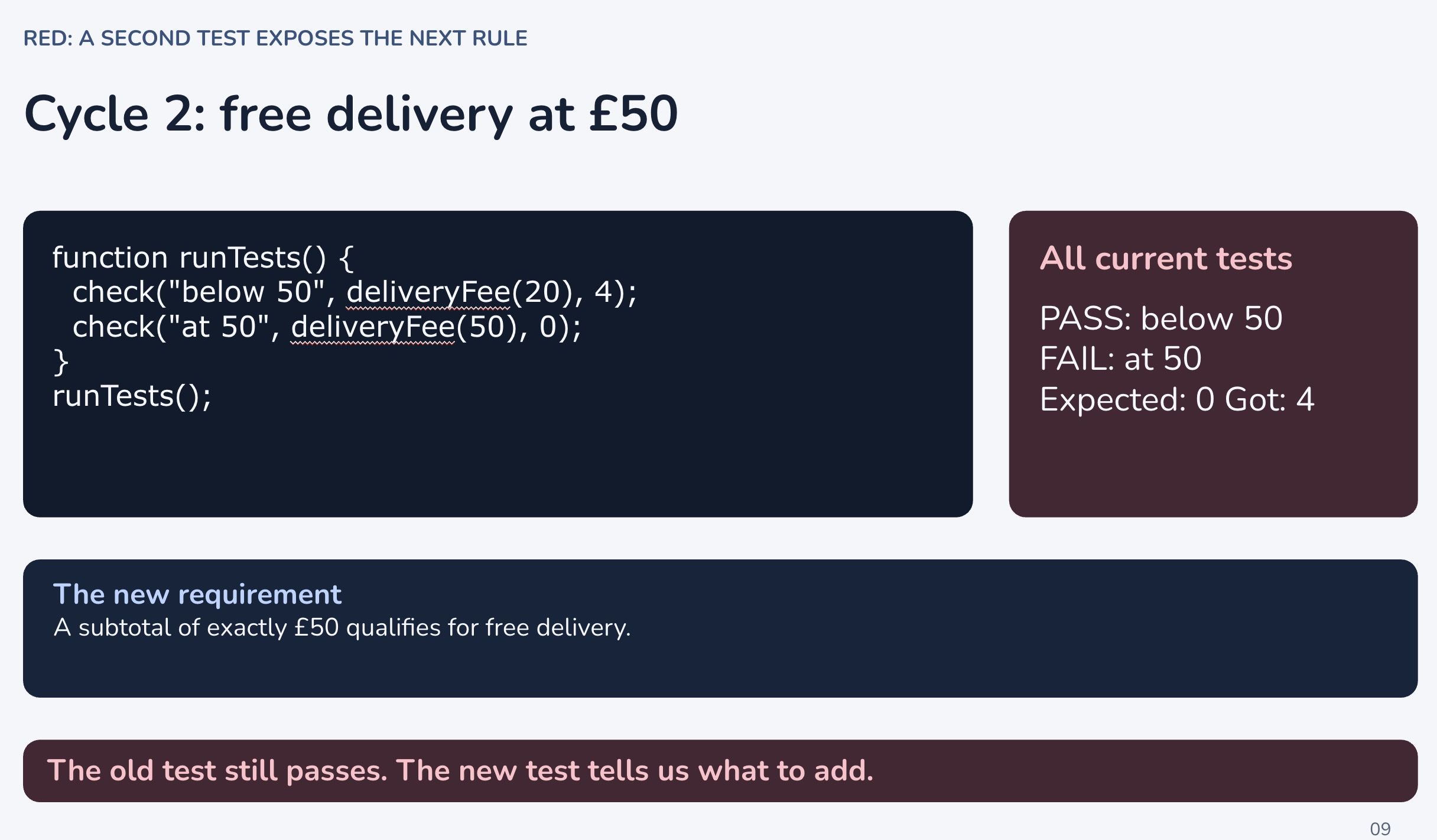
- Test-driven development (TDD): following a practical JavaScript example through writing tests, observing failures, implementing code and refactoring.
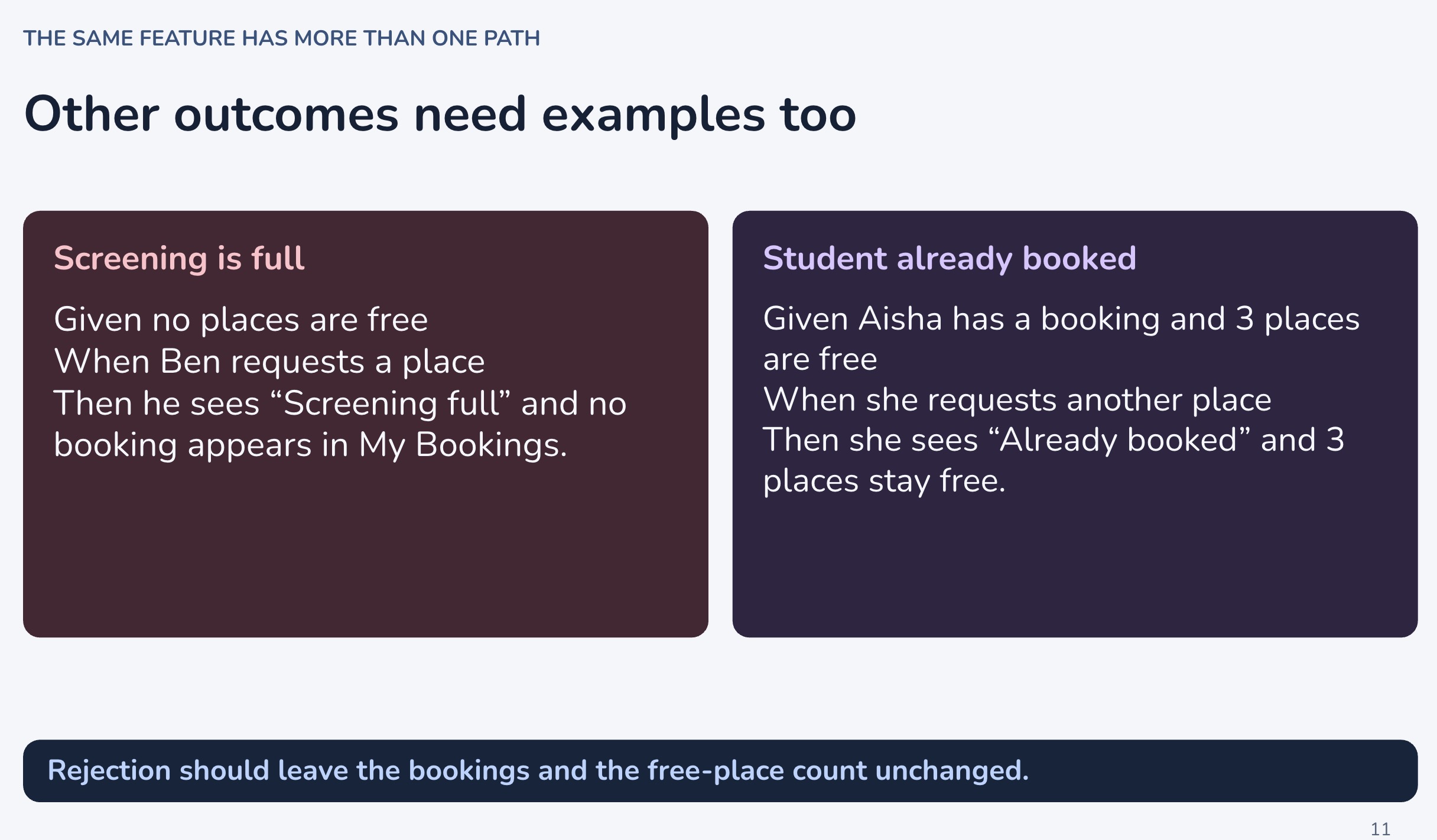
- Behaviour-driven development (BDD): identifying user value and writing titles, narratives and Given/When/Then acceptance examples.
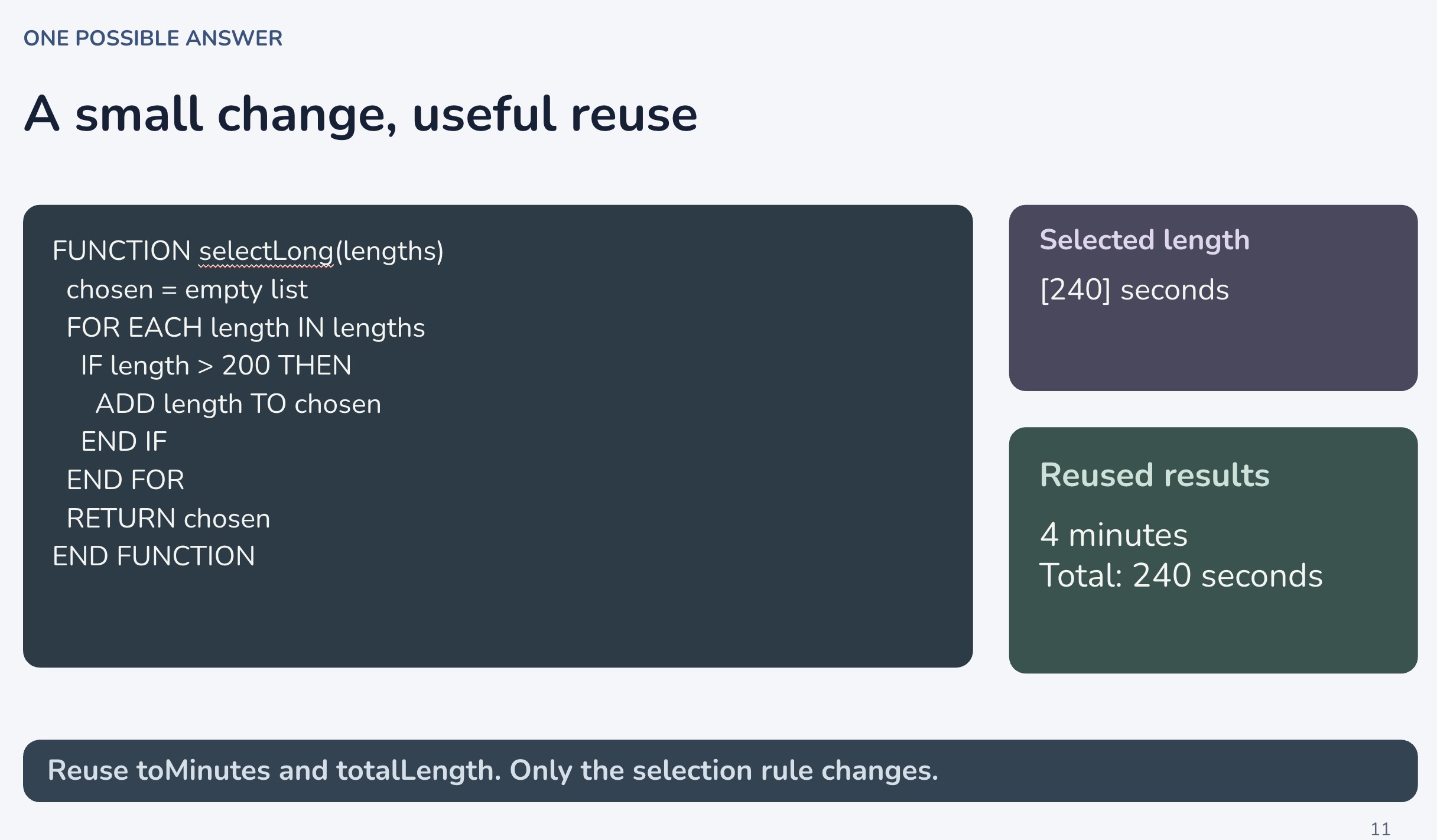
- Functional design: using simple, language-neutral pseudocode to show how separate functions support reuse, testing and changes.
Teaching features:
- Student activities embedded directly within each PowerPoint.
- Familiar scenarios introduced before learners begin designing.
- Worked examples and suggested answers for guided review.
- Teacher notes to support delivery and discussion.
- Clear layouts and editable text, shapes and diagrams.
- Practical links to interpreting requirements, planning solutions and building prototypes.
Designed for T Level Digital Software Development Year 2, section 4.1: Common design approaches. Use the presentations in sequence or teach individual approaches separately.
This is an independent teaching resource. Assessment requirements should be checked against the relevant specification and task brief.
Something went wrong, please try again later.
This resource hasn't been reviewed yet
To ensure quality for our reviews, only customers who have purchased this resource can review it
Report this resourceto let us know if it violates our terms and conditions.
Our customer service team will review your report and will be in touch.
£11.89