20 STEM Engineering Disasters Bundle
Resource Bundle




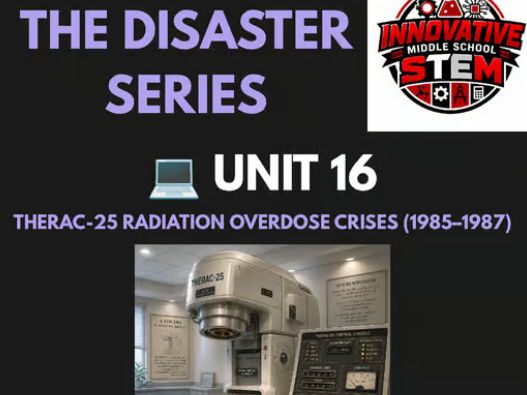

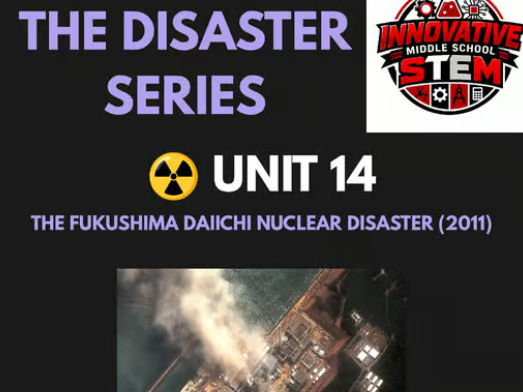

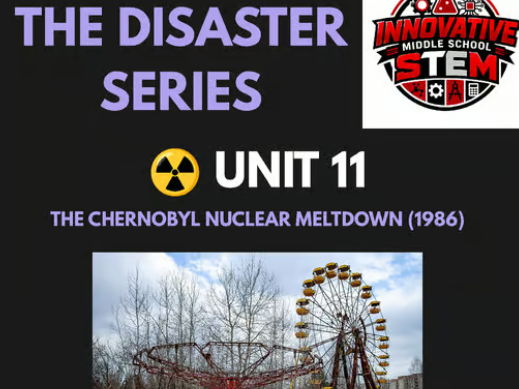

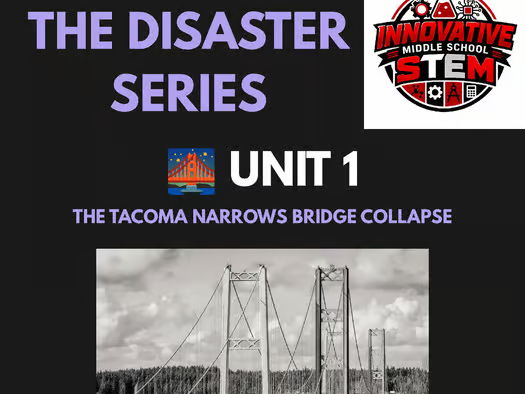
Transform your classroom with a 120-page bundle covering 20 famous engineering disasters, applied math, telemetry diagnostics, ethics, and redesigns.
Full Details:
Bring real-world problem-solving, failure analysis, and ethics into your classroom with this comprehensive 20-Unit Engineering Disasters Mega-Bundle! From structural bridge collapses and space shuttle catastrophes to chemical plant meltdowns and fatal software glitches, this 120-plus page collection challenges middle and high school students to analyze real telemetry, perform applied physics and math calculations, navigate high-stakes ethical dilemmas, and redesign safer engineering systems.
What’s Included in this 120+ Page Mega-Bundle?
Each of the 20 units follows a consistent, student-friendly 6-page printable framework designed for 3 to 5 full class periods of engagement:
Page 1: Historical Case Study & Technical Breakdown – Detailed narrative, physical/mechanical principles, key vocabulary, and quick-check comprehension questions.
Page 2: Day in the Life Scenario Challenge – Immersive roleplay placing students in control rooms or inspection teams analyzing real-time diagnostic logs and emergency protocols.
Page 3: Hands-On Applied Math & Telemetry Simulation – Step-by-step calculations covering structural load limits, thermodynamic heat generation, chemical decay half-lives, binary overflow, and probability margins.
Page 4: Engineering Ethics & Workplace Dilemma – Thought-provoking analyses on corporate cost-cutting, whistleblower protection, schedule pressure versus safety, and regulatory reform.
Page 5: Redesign Brief & Innovation Lab – Creative blueprinting assignment where students design safer “V-2” systems, write “If/Then” automated computer control logic, and outline structural schematics.
Page 6: Teacher Answer Key & Scoring Rubric – Complete answer key for all questions and math problems, plus a standardized 10-point grading rubric for evaluating student redesigns.
The 4 Complete Blocks (20 Units Total):
Block 1: Civil & Structural Disasters
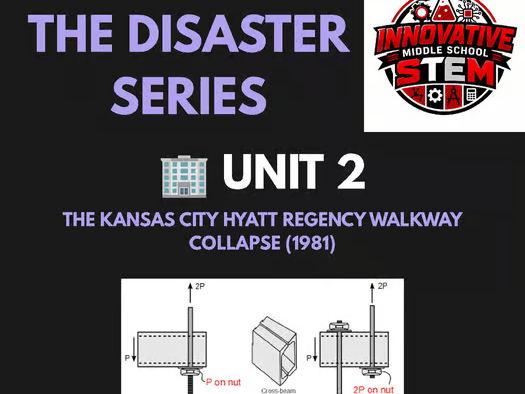
Unit 1: Hyatt Regency Walkway Collapse (1981) — Load paths, dynamic force transfer, and beam physics.
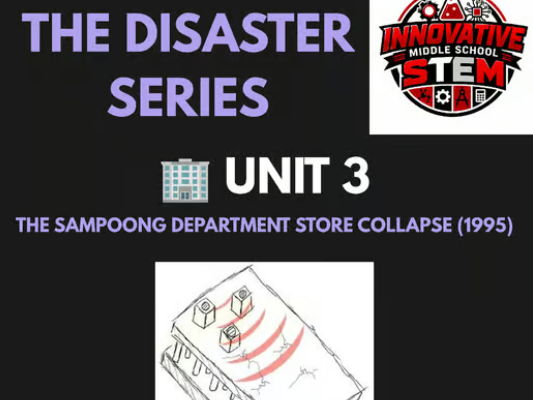
Unit 2: Sampoong Department Store Collapse (1995) — Punching shear failure, slab overloading, and structural integrity.
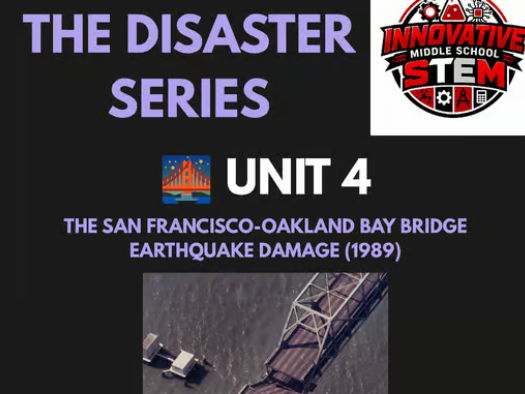
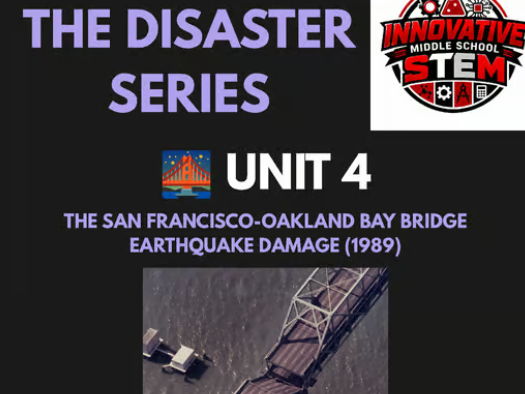
Unit 3: San Francisco–Oakland Bay Bridge Failure (1989) — Seismic resonance, expansion joints, and earthquake engineering.
Unit 4: St. Francis Dam Failure (1928) — Geotechnical uplift pressure, paleolandslides, and hydraulic engineering.
Unit 5: Tacoma Narrows Bridge Collapse (1940) — Aeroelastic fluttering, torsional resonance, and wind dynamics.
Block 2: Aerospace & Transportation Catastrophes
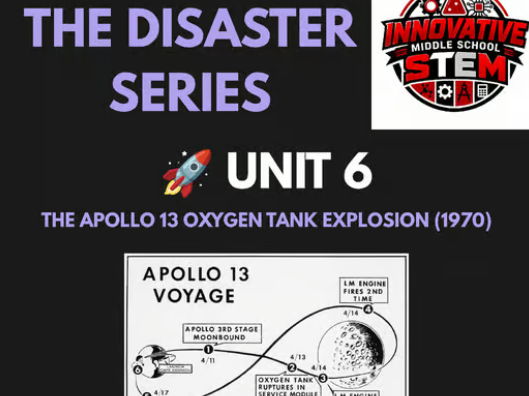
Unit 6: Apollo 13 Oxygen Tank Explosion (1970) — Thermodynamic pressure, wire insulation degradation, and space survival.
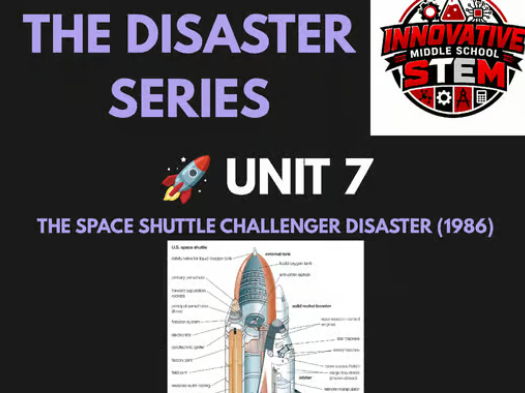
Unit 7: Space Shuttle Challenger Disaster (1986) — O-ring glass transition temperature, solid rocket booster blow-by, and flight ethics.
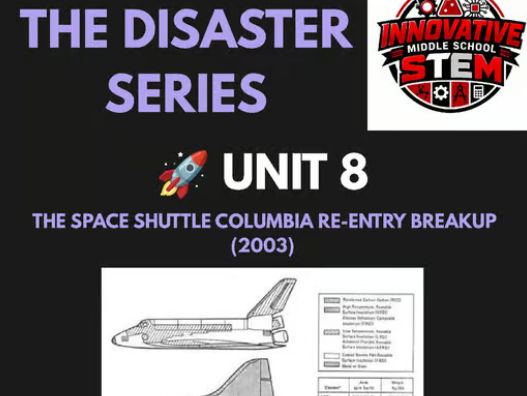
Unit 8: Space Shuttle Columbia Re-Entry Breakup (2003) — Reinforced Carbon-Carbon (RCC) strike impact, plasma thermodynamics, and re-entry physics.
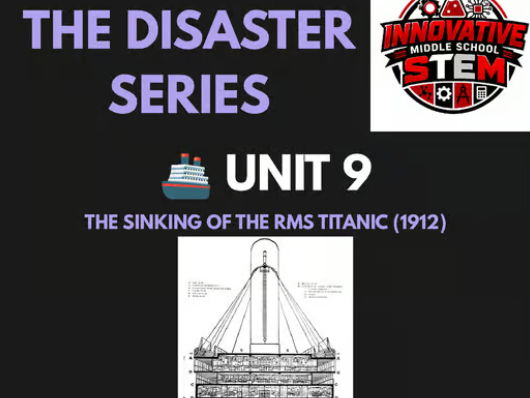
Unit 9: Sinking of the RMS Titanic (1912) — Brittle steel fracture, watertight bulkhead spillover, and buoyancy physics.
Unit 10: The Hindenburg Airship Fire (1937) — Hydrogen gas flammability, static discharge ignition, and airship aerodynamics.
Block 3: Industrial & Environmental Disasters
Unit 11: The Chernobyl Nuclear Meltdown (1986) — RBMK positive void coefficient reactivity, graphite-tip control rods, and nuclear decay math.
Unit 12: The Bhopal Gas Tragedy (1984) — Exothermic runaway reaction kinetics, toxic gas dispersion plume math, and chemical safety.
Unit 13: The Deepwater Horizon Oil Spill (2010) — Subsea hydrostatic mud pressure balance, cement bond failure, and BOP shear rams.
Unit 14: The Fukushima Daiichi Nuclear Disaster (2011) — Tsunami hydrodynamics, station blackout (SBO), and decay heat thermodynamics.
Unit 15: The Texas City Fertilizer Explosion (1947) — Ammonium nitrate decomposition kinetics, confinement pressure, and shockwave physics.
Block 4: Computing, Robotics & Modern Failures
Unit 16: Therac-25 Radiation Overdose Crises (1985–1987) — Software race conditions, removal of hardware interlocks, and integer overflows.
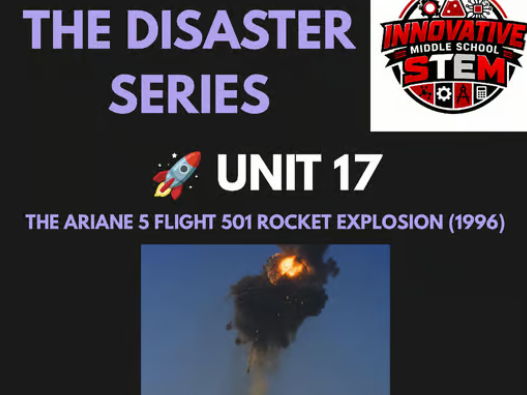
Unit 17: Ariane 5 Flight 501 Rocket Explosion (1996) — 64-bit to 16-bit signed integer overflow, data bus corruption, and legacy code reuse.
Unit 18: Mars Climate Orbiter Crash (1999) — Imperial versus Metric unit conversion errors (lbfs vs Ns) and trajectory mechanics.
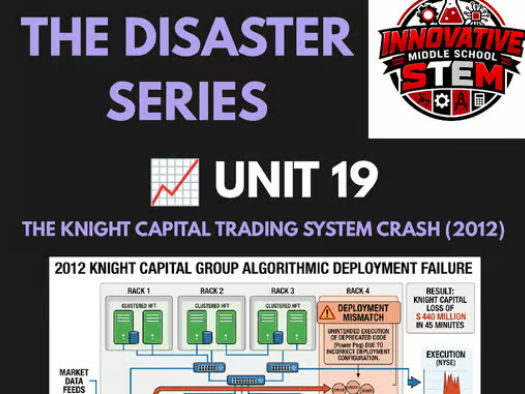
Unit 19: Knight Capital Trading System Crash (2012) — Algorithmic execution loops, dead-code reactivation, and software deployment errors.
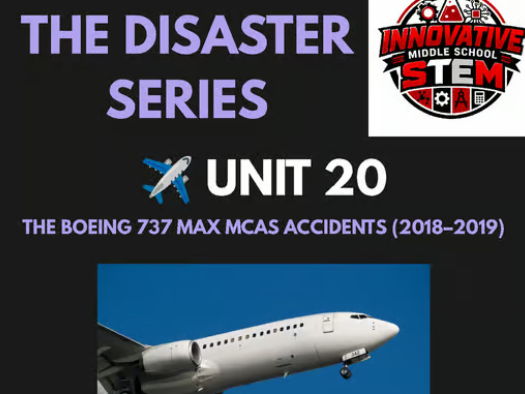
Unit 20: Boeing 737 MAX MCAS Accidents (2018–2019) — Single Angle of Attack (AoA) sensor dependency, pitch-up aerodynamics, and MCAS software logic.
Teacher Benefits:
100% Print-Friendly Format: Clean text layout with zero dark background boxes or awkward formatting for easy editing in Word, Google Docs, or Canva.
Cross-Disciplinary Value: Bridges Physics, Chemistry, Physical Science, Computer Science, Environmental Science, Mathematics, and World/US History.
Flexible Implementation: Perfect for full STEM units, weekly Case Study Fridays, sub plans, gifted enrichment, CTE courses, or engineering electives.
Something went wrong, please try again later.
This resource hasn't been reviewed yet
To ensure quality for our reviews, only customers who have purchased this resource can review it
Report this resourceto let us know if it violates our terms and conditions.
Our customer service team will review your report and will be in touch.