


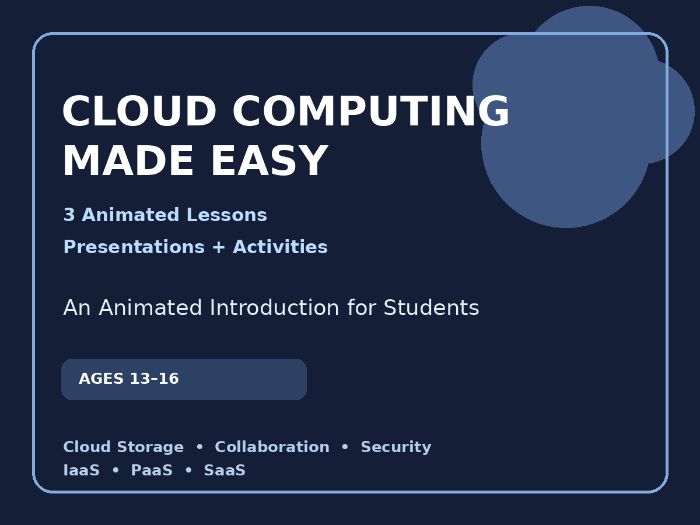



Teach cloud computing with 3 engaging animated lessons, 3 theory presentations and 2 classroom activities. A ready-to-teach mini-unit for students aged 13–16.
Cloud computing can be difficult for students to understand when it is presented only through technical definitions. This resource introduces the topic visually and progressively, starting with cloud storage and moving towards the wider concept of cloud computing.
Students explore:
• What cloud storage is and why it can be useful
• The risks of keeping important files on a single device
• Device failure and data loss
• Collaboration and file sharing
• Version history and file recovery
• Accessing files from different devices
• Practical limitations such as storage space and upload speed
• Security and passwords
• Wider applications of cloud computing
• The introductory concepts of IaaS, PaaS and SaaS
WHAT’S INCLUDED
- 3 animated educational lessons
- 3 theory presentations
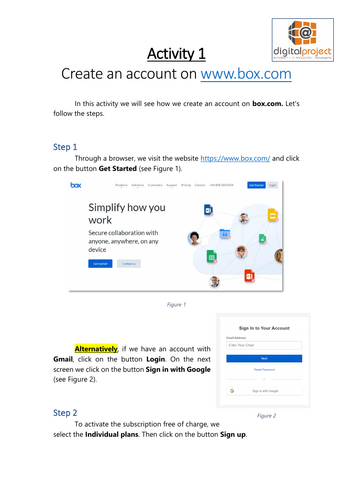
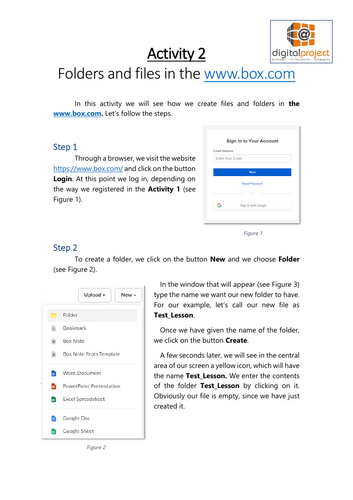
- 2 classroom activities
- Key vocabulary and review questions
The three-part sequence is designed to take students from familiar, everyday examples of digital file storage to the broader concepts and service models of cloud computing.
This resource is suitable for Computing, ICT, Computer Science, Digital Literacy and Technology lessons. It can be used for whole-class teaching, computer-lab activities, independent learning or flipped learning.
No previous knowledge of cloud computing is required.
LEARNING OBJECTIVES
By the end of the mini-unit, students should be able to:
• Explain the basic idea of cloud storage.
• Recognise risks associated with relying on a single physical device.
• Describe advantages and limitations of cloud services.
• Explain basic cloud features such as collaboration, sharing, recovery and access from different devices.
• Identify examples of cloud computing beyond file storage.
• Distinguish between IaaS, PaaS and SaaS at an introductory level.
TEACHER USE
The animations can be used as engaging introductions to each topic, followed by the accompanying theory presentation. The activities can then be used to reinforce understanding and check students’ comprehension.
The resource is designed as a coherent mini-unit, but the three lessons can also be used independently.
Credits:
Clipchamp software was used for the narration.
Music track: Social Network by Aylex
Royalty Free Music for Videos (Safe)
Music track: Successful by Aylex
Free Vlog Music Without Copyright
Music track: Achievement by Bluewave
Free Background Music for Videos
Something went wrong, please try again later.
This resource hasn't been reviewed yet
To ensure quality for our reviews, only customers who have purchased this resource can review it
Report this resourceto let us know if it violates our terms and conditions.
Our customer service team will review your report and will be in touch.
£9.00