How do you feel today?
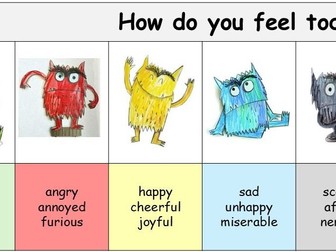
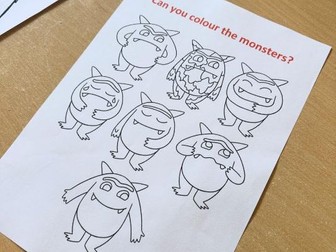
Colour Monster characters and vocabulary, suitable for self check in, supporting feelings discussions and to support self-regulation areas.
Available as JPEG & PowerPoint for you to adapt to your own font/vocabulary.
Hi all,
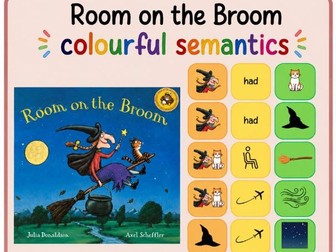
This is for my SEN student who is mad about ‘Going on a bear hunt’. It can be used with the book, then use to cards and board enclosed.
4 pages, including basic frame for CS.
Best wishes,
Vicky
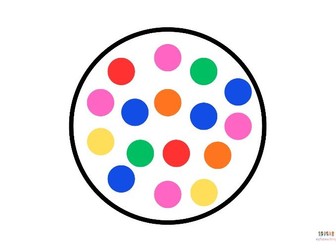
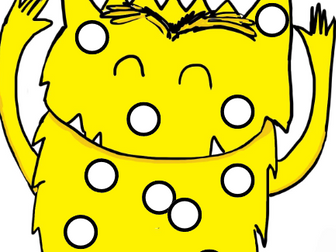
Can be used to match colours and develop fine motor skills
Can also be used for a numeracy activity
Includes 7 monsters - Red, Pink, Yellow, Grey, Blue, Green & Multicoloured
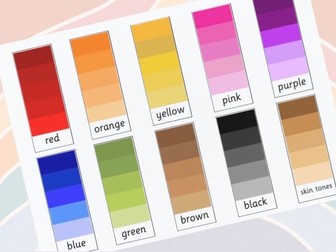
Perfect lesson resource for KS3 Physics! A fully differentiated and resourced lesson that assists students in learning about how we see colours and what happens to light as it passes through prisms and filters . Students will describe what happens when light passes through a prism, how primary colours add to make secondary colours, and explain how filters and coloured materials subtract light.
The resource includes a detailed and engaging lesson PowerPoint with differentiated activities, worksheets and quizzes for students to complete. This resource is part of the Light topic and has been created for the delivery of the Activate KS3 Science course. Also great for KS2 Science.
30 slides in total for the lesson PPT
Christmas Science Colouring Pages
The perfect wind down resources for high school science students - hand drawn colouring pages.
Included in this resource:
1 biology ‘DNA tree’ colouring page
1 chemistry ‘Chemistree’ colouring page
1 physics ‘Cosmic Christmas’ colouring page
All three colouring pages come in A4 and A5 formats (both can be opened in PowerPoint or by PDF). I have also included the images used, so you can adapt the pages into which ever format/size you like.
Thanks!
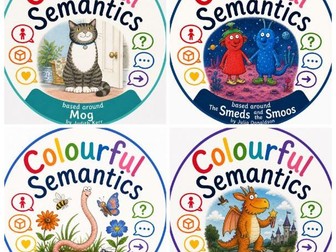
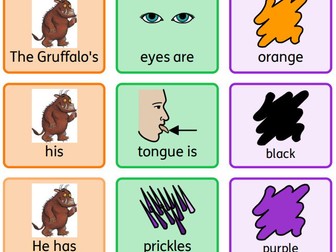
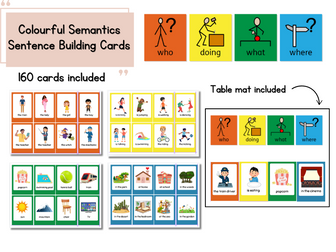
Sentence Building Colourful Semantics Cards (160 Cards)
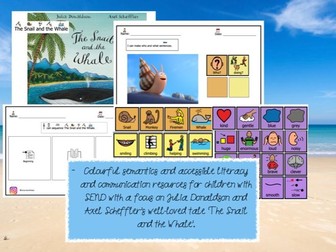
Help primary age children develop their sentence-building skills with this fun and interactive resource! This set includes 160 colourful semantics cards designed to support children in creating sentences, understanding sentence structure, and visualising what they read and say.
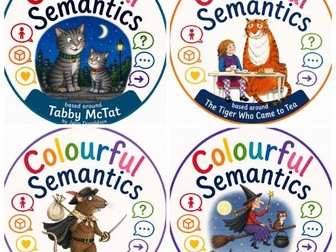
This comprehensive pack contains everything you need to successfully introduce Colourful Semantics into your classroom or school. Tried and tested in both KS1 and KS2, these resources have been used as part of whole-school training and embedded into daily writing practice
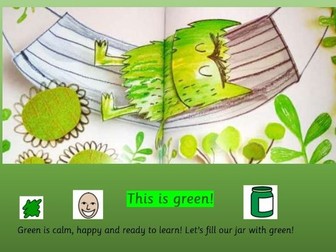
This resource includes images for the colour monster story using real images from the story itself. The resource includes images of ‘happy, sad, calm, angry, scared, love and confused.’ This resource could be used to retell the story, to discuss emotions and feelings or in a calm corner or tinker box. Great for SEN children in particular. This resource just needs to be printed and laminated for longevity. They could also then be hole punched to hang up in your classroom or home too.
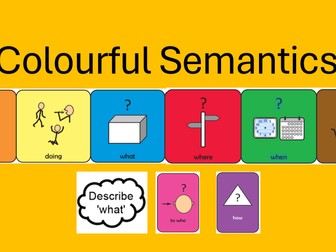
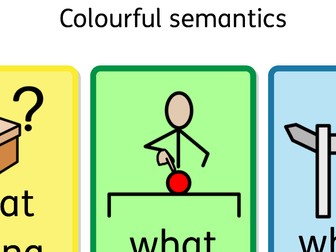
These are the colourful semantic colours I use when completing colourful semantics with my class. I have put them in a handy A4 sheet to prompt you what each colour means.
Use colourful semantics to support children in writing sentences e.g. sentence structure, to improve vocabulary, to aid spelling and writing formation and many more things.
Please also see the Core Boards based off these colourful semnatics colours, which help support communicaion and aid vocabulary use within the classroom.
Please leave reviews for my resources if you like them. If you would like to see any other resources in particular, let me know in the reviews and I can try to make them for you.
This resources has been created for use alongside The Colour Monster by Anna Llenas. The children must help the monster fill his jars by drawing people, things, or places that make them feel each of the feelings identified.
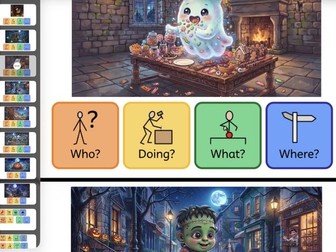
This Elf on the Shelf Colorful Semantics cut and stick activity is designed to support children in answering “WH” questions while building simple sentences.
The resource includes 10 festive picture scenes featuring Santa or the Elf, each showing a clear action in a clear place. Children describe each picture by cutting and sticking symbols or words to build sentences using the structure:
Who – What doing – Where
This activity is ideal for supporting:
early sentence building
understanding and answering Who questions
expressive language development
Colourful Semantics teaching and intervention
The cut and stick format encourages hands-on engagement and is well suited to EYFS, KS1, SEN, and speech and language support, including children working at an early communication level. Perfect for Christmas-themed lessons, intervention groups, or independent work.