Minibeast Detective Activity Pack
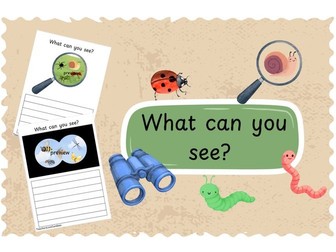
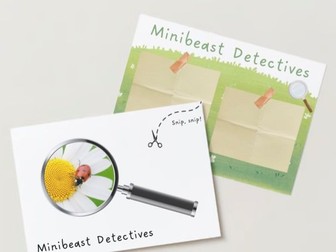
12 different magnifying glasses to be cut out
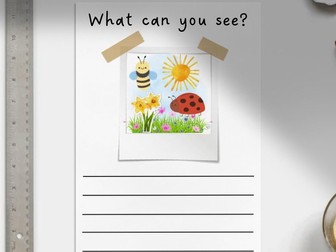
Pair with the writing mat for children to write what they can see
Table sign
Flower cut outs
This KS1 microhabitats (or micro-habitats) activity is a fun way for children to explore where minibeasts would like within a garden. They’ll also think about why different minibeasts prefer different microhabitats.
Use this resource to support a year 2 science lesson about local habitats/microhabitats or before exploring the microhabitats in your school grounds.
This resource includes:
A3 printable garden (with and without microhabitat labels)
A4 printable garden (with and without microhabitat labels)
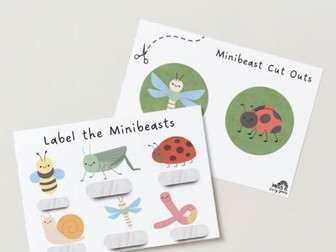
12 common minibeasts to place in the garden
Minibeast ID sheet
Guidance notes on how the resource could be used, including follow up questions to explore together.
Primary science link:
identify that most living things live in habitats to which they are suited and describe how different habitats provide for the basic needs of different kinds of animals and
plants, and how they depend on each other
identify and name a variety of plants and animals in their habitats, including micro-habitats
Factsheet about minibeasts! Wasps, dragonflies, honey bees, flies, moths, butterflies, aphids, snails, woodlice, spiders, grasshoppers, centipedes. Bring the outdoors into your classroom with this inspiring activity from the Woodland Trust's nature detectives website.
A six week unit of work linked to questions. Questions attached so you can enlarge and display in the classroom. Activities and outcomes included. Lots of exciting ways to engage children in a Minibeast topic.
A small collection of minibeast photos that I put together for my class as part of our module on minibeasts, ecosystem, life cycle, and habitats.
Please leave me a review and I will send you any other resource of your choice for free (contact me: office@oceansproject.com). Check out my other resources at my shop: https://www.tes.com/teaching-resources/shop/sarah277
Let me know if you have any resource requests and I will tailor make a resource for you.
This unit looks at minibeasts and may be useful either prior to embarking on work of a practical nature or after a practical session collecting and observing bugs. This activity should not replace the practical task of collecting bugs. The thrill pupils have in first hand observations of live creatures cannot be replicated on a whiteboard screen.
Using the resources in this pack, pupils will learn about:
* different kinds of animals in the local environment
* that animals can be grouped according to observable similarities and differences
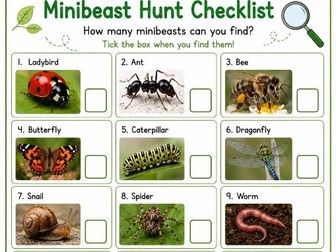
Print, make and take outside to ID minibeasts on the ground! Snail, woodlouse, spider, ant, millipede, centipede, grasshopper, caterpillar, beetle, worm. Bring the outdoors into your classroom with this inspiring activity from the Woodland Trust's nature detectives website.
This A4 colourful chart is designed to enable children (from age 5 upwards) and beginners to identify the invertebrates commonly found in a garden or outdoor space.
The simple flow chart on this guide shows representatives of the main groups found in a garden or outdoor space. These include animals with no legs, such as snails, slugs, earthworms, roundworms, insect and larvae. Plus the animals with jointed legs, such as crustaceans, insects, spiders and mites.
The most simple ID key I’ve ever come across!