


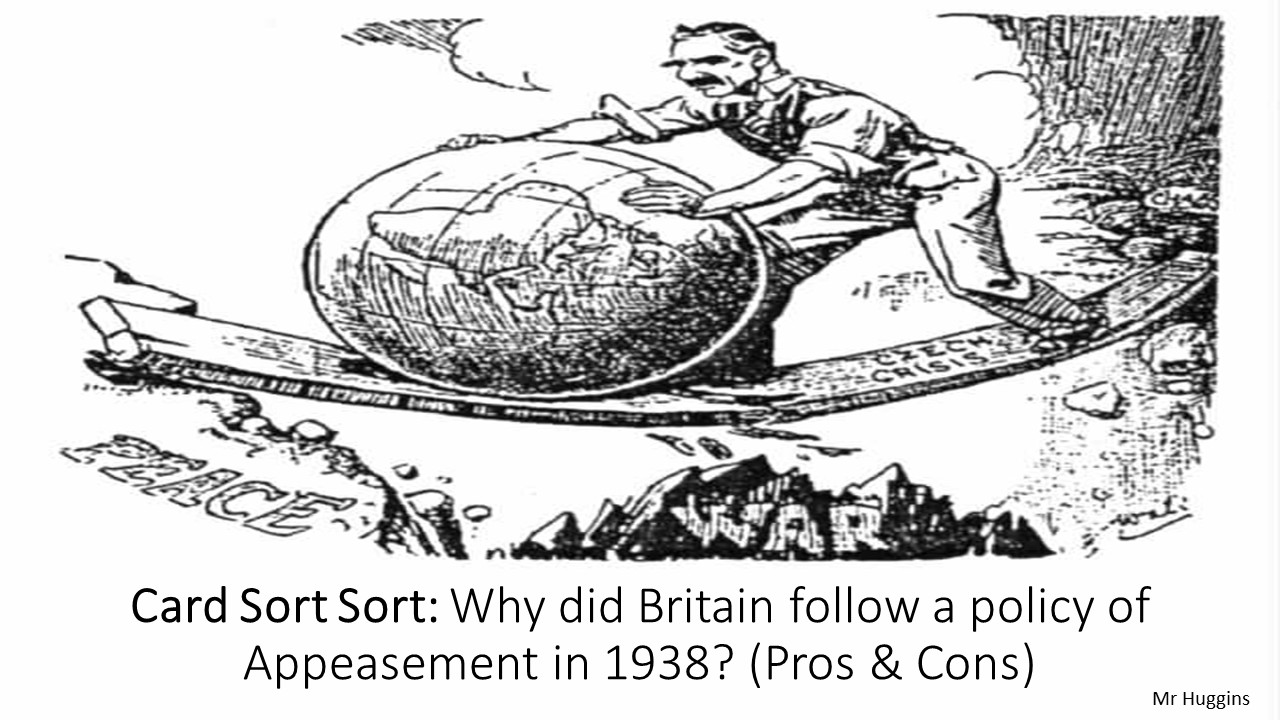
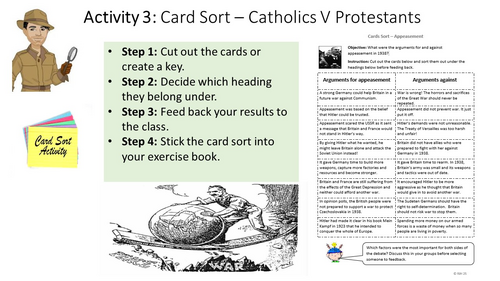
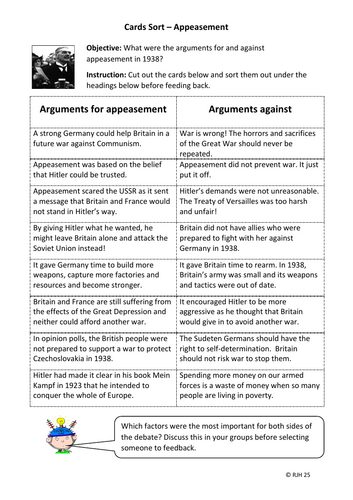
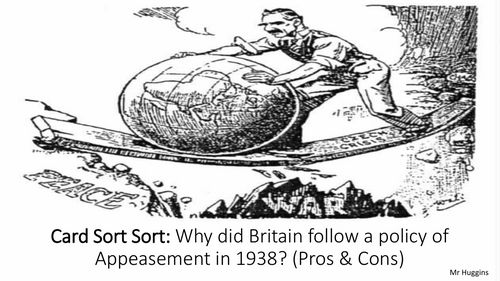
This tried-and-tested card sort activity is designed to help students understand why Britain followed a policy of appeasement in the late 1930s. It fits smoothly into Grades 7–10 World History, Social Studies, or World War II survey units and works well as a warm-up, plenary, review task, or assessment for learning activity. The task is flexible, accessible, and suitable for a wide range of learners.
Card sorts are a powerful strategy for promoting active learning. Instead of passively receiving information, students must sort, classify, and discuss the arguments provided. This encourages critical thinking, justification of choices, and clearer connections between historical ideas. The activity also supports key skills—explanation, comparison, and evaluation—and creates strong opportunities for paired or group discussion.
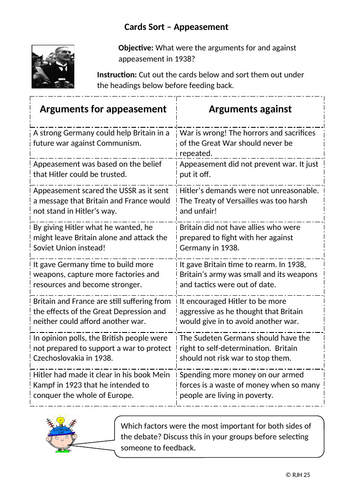
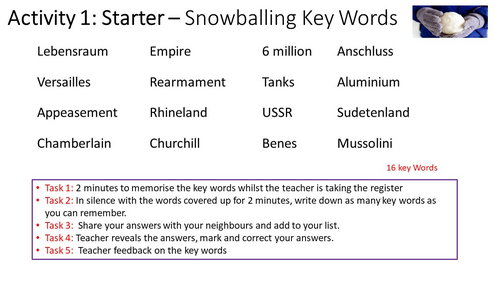
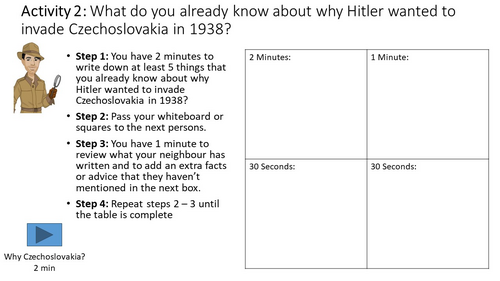
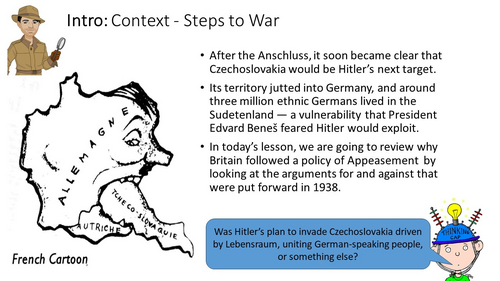
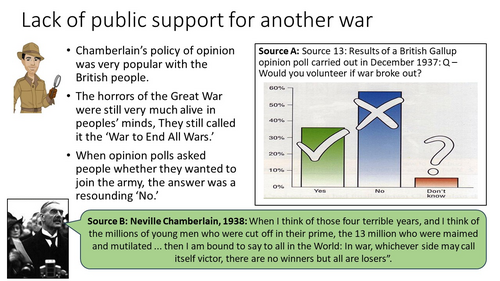
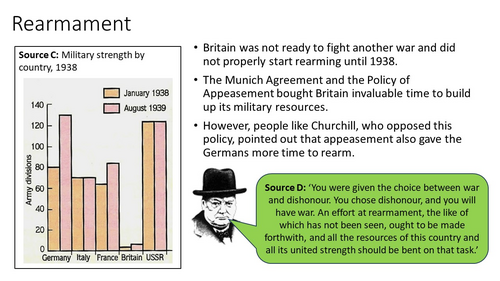
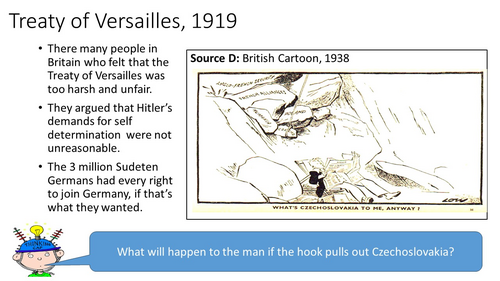
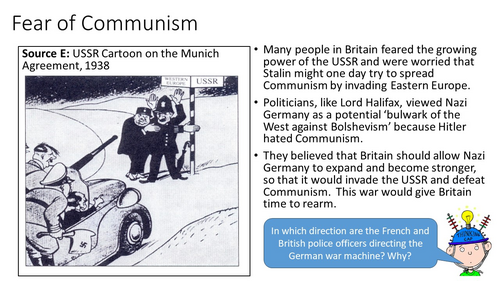
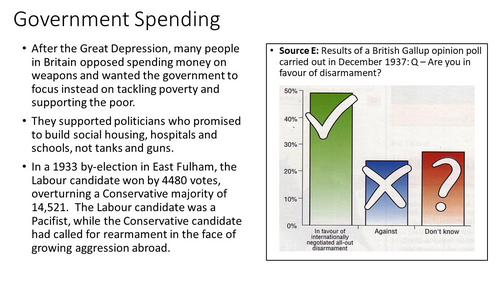
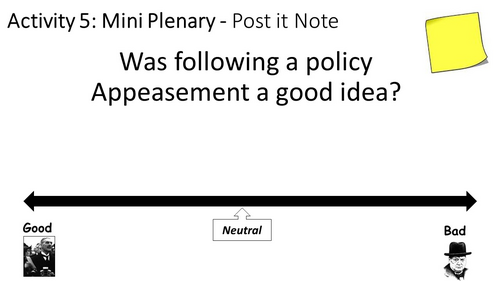
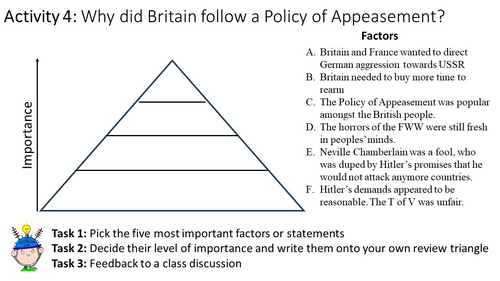
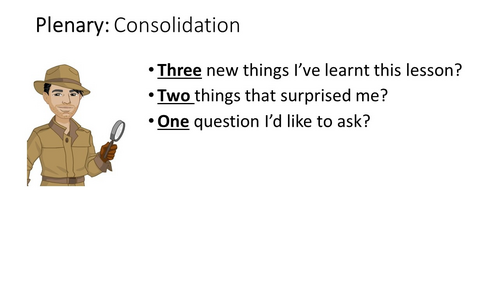
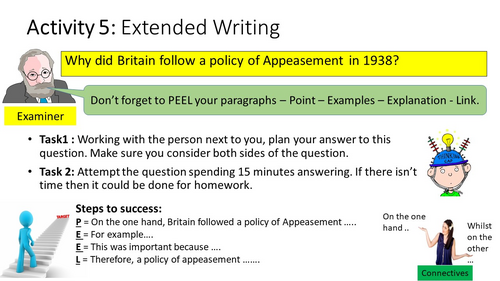
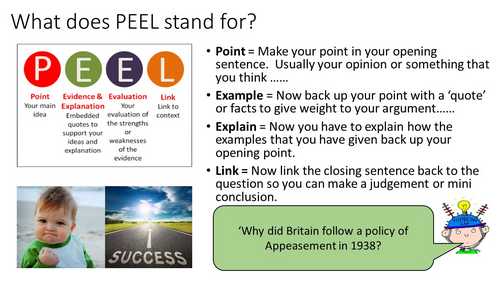
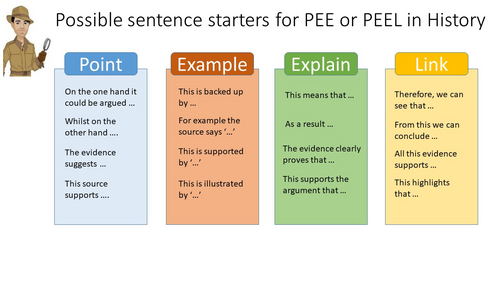
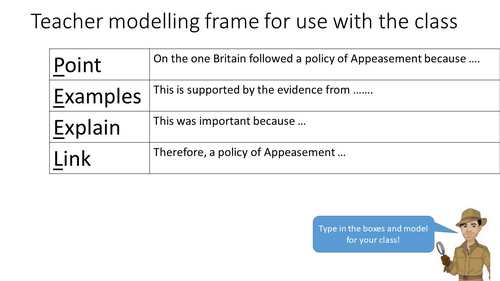
This resource includes a fully editable Microsoft Word document containing two heading cards—Arguments For Appeasement and Arguments Against—plus sixteen carefully written statement cards reflecting political, military, and economic perspectives from 1938. The language is accessible for middle and high school students while remaining historically accurate. An accompanying PowerPoint presentation provides aims, objectives, differentiated outcomes, starters, plenaries, information slides, historical sources, a continuum voting task, a thinking skills review triangle, templates, and writing frames.
After sorting the cards into the correct categories, students can extend their learning by ranking the arguments in order of importance or grouping them into themes such as political concerns, military weaknesses, economic pressures, or public opinion. These extension tasks provide a clear route into writing a structured paragraph or essay explaining why Britain supported appeasement in the years leading up to World War II.
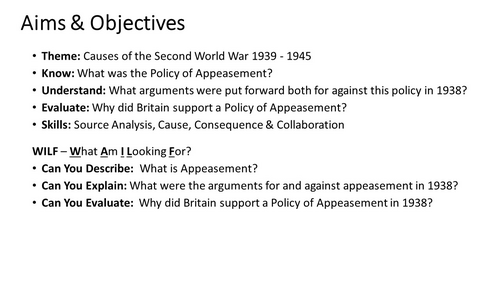
Aims and Objectives
Theme: Causes of World War II
Know: What the policy of appeasement was
Understand: The arguments for and against appeasement in 1938
Evaluate: Why Britain supported this policy
WILF – What Am I Looking For?
• Identify and describe the policy of appeasement
• Explain key arguments for and against the policy
• Analyse why Britain followed appeasement in 1938
If you want to stretch higher-achieving students, you may also be interested in my Diamond 9 ranking task on appeasement. For more World War II resources, please visit my TES shop or follow The History Academy on social media for updates and teaching ideas.
Thank you for exploring this resource—I hope it supports engaging and meaningful learning in your classroom.
Kind regards,
Roy
Something went wrong, please try again later.
This resource hasn't been reviewed yet
To ensure quality for our reviews, only customers who have purchased this resource can review it
Report this resourceto let us know if it violates our terms and conditions.
Our customer service team will review your report and will be in touch.
$4.60