IB Economics Unit 2 Complete Lesson Bundle | CBCI
Resource Bundle


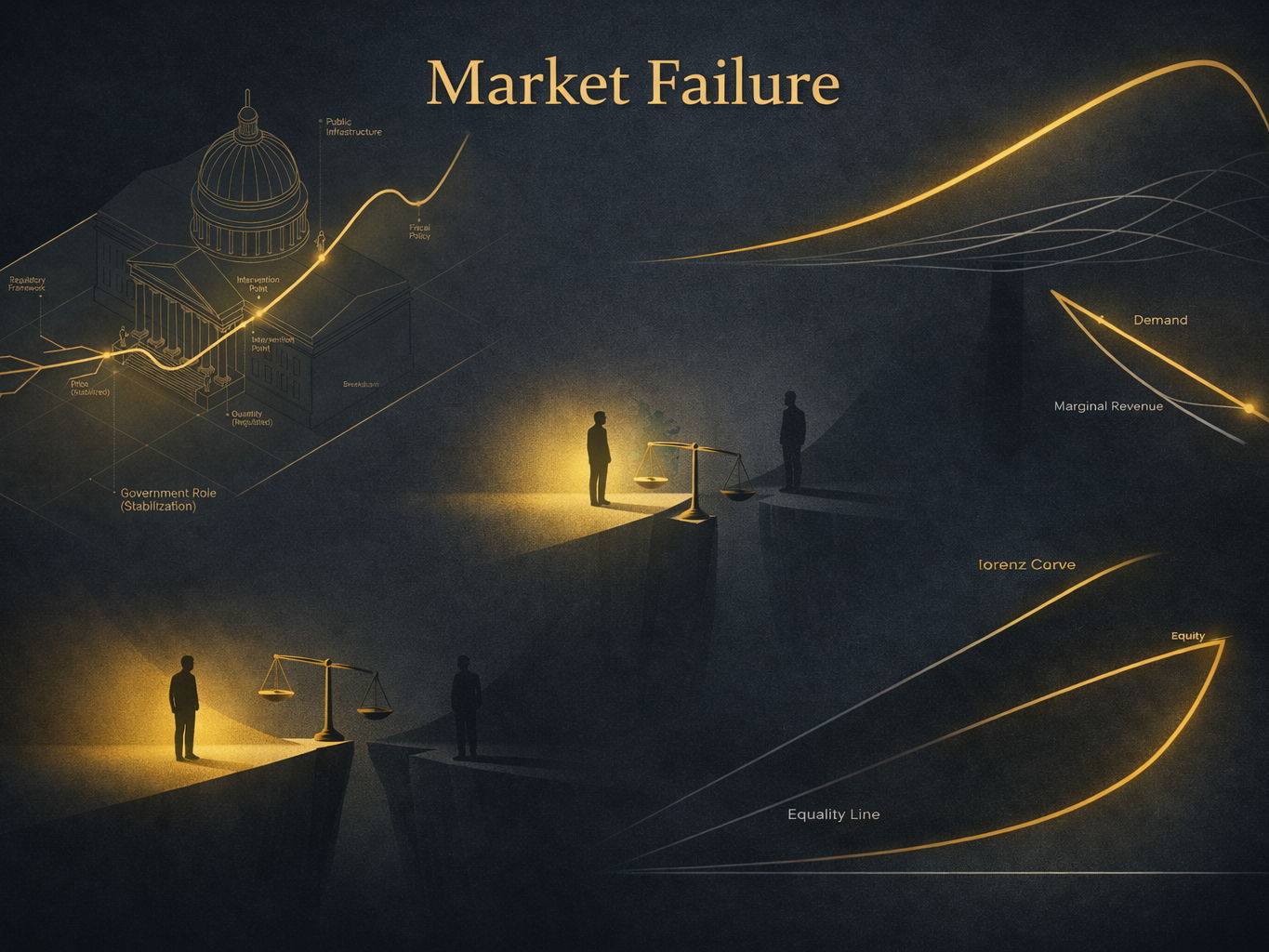












IB Economics Unit 2 Microeconomics — Complete Lesson Bundle | 18 Student Lessons & Teacher Guides (SL & HL)
Unit 2: Microeconomics is the largest and most technically demanding unit in the IB DP Economics course. This bundle gives you every lesson, fully built, from 2.1 Demand to 2.12 The Market’s Inability to Achieve Equity — each one structured to the same pedagogical standard, written to IB examiner precision, and ready to teach without adaptation.
Each of the 18 lessons includes a Student Lesson Document and a Teacher Guide. Nothing is left for you to fill in.
————————————————————
WHAT EACH LESSON CONTAINS
————————————————————
Student Lesson Document
• A real-world hook scenario that makes the economics feel urgent and relevant
• Phased collaborative tasks structured for active inquiry
• Diagram precision checklists — specific, checkable criteria for every diagram the syllabus requires
• Differentiated individual application options (one analytical, one evaluative)
• A conceptual takeaway — a paragraph-length statement connecting the lesson to the transferable ideas of the course, with a one-sentence student response prompt
Teacher Guide
• Full CBCI framework table (factual / conceptual / transfer levels mapped to lesson tasks)
• Model responses for every student task — what a top-band answer actually looks like
• Teaching notes explaining the purpose of each phase and common student misunderstandings
• Probing questions mapped to specific student errors — what to ask when you see the mistake
• Common errors section with precise corrections
• ATL (Approaches to Teaching and Learning) notes
• Bridge from previous lesson and bridge to next lesson — so every lesson connects explicitly to the sequence
————————————————————
SYLLABUS COVERAGE
————————————————————
2.1 Demand
2.2 Supply
2.3 Competitive Market Equilibrium
2.4 Critique of Maximising Behaviour (HL)
2.5 Elasticity of Demand
2.6 Elasticity of Supply
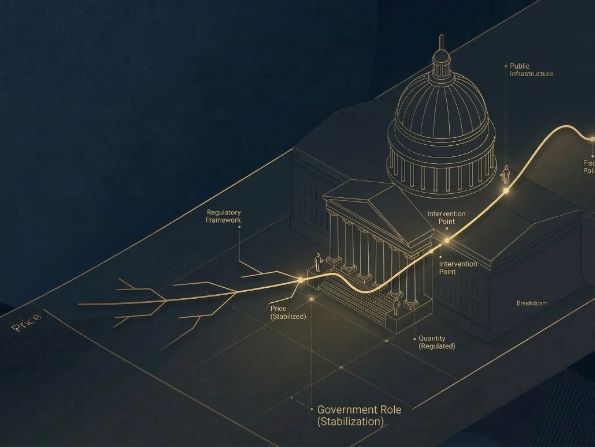
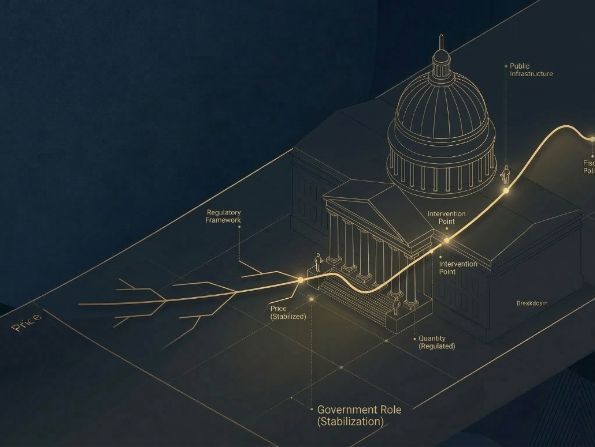
2.7 Role of Government in Microeconomics
2.8 Market Failure — Externalities & Common Pool Resources
2.9 Market Failure — Public Goods
2.10 Market Failure — Asymmetric Information (HL)
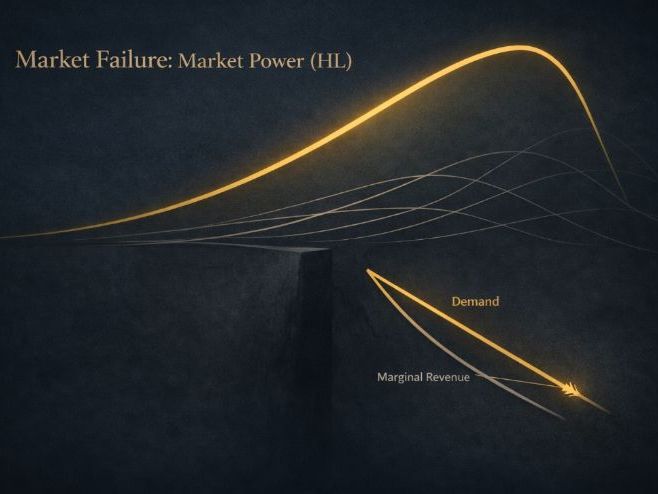
2.11 Market Failure — Market Power (HL)
2.12 The Market’s Inability to Achieve Equity (HL)
HL-only content is clearly identified throughout. SL teachers will find every SL lesson complete and usable without modification.
————————————————————
PEDAGOGICAL APPROACH
————————————————————
These lessons are designed for active, discussion-driven classrooms where students engage in structured collaborative tasks and the teacher facilitates rather than delivers. The structure follows Lynn Erickson’s Concept-Based Curriculum and Instruction (CBCI) framework, moving students from factual knowledge through conceptual understanding to genuine transfer.
This is not a set of slides for students to copy. It is a pedagogical system for teaching economics with rigour and depth.
————————————————————
PRICING
————————————————————
Individual lessons are available separately at £4 each. This bundle represents a saving of over 30% against buying all 18 lessons individually.
Suitable for: IB DP Economics SL and HL — First Assessment 2022 syllabus.
Something went wrong, please try again later.
This resource hasn't been reviewed yet
To ensure quality for our reviews, only customers who have purchased this resource can review it
Report this resourceto let us know if it violates our terms and conditions.
Our customer service team will review your report and will be in touch.