KS3 History: Power & the People - Protest, Reform and Democracy in Britain Mega Bundle
Resource Bundle


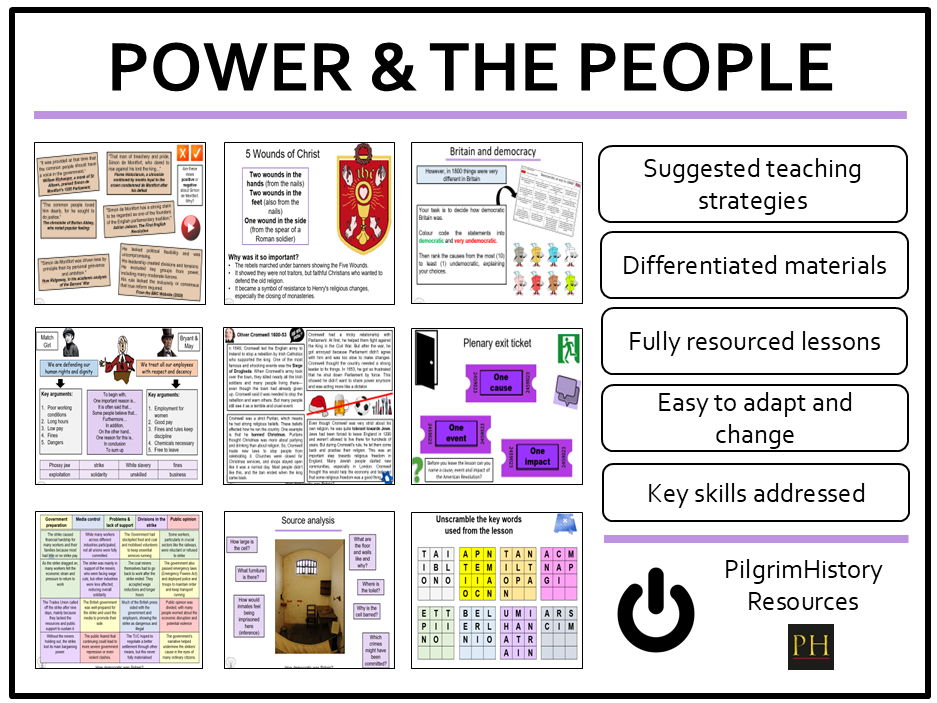

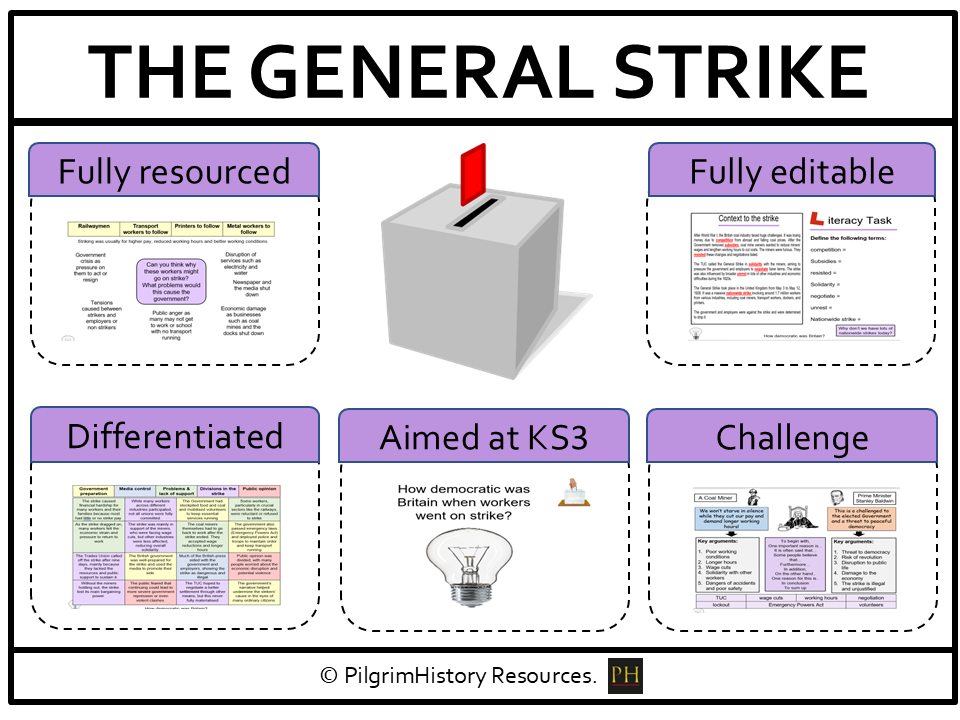
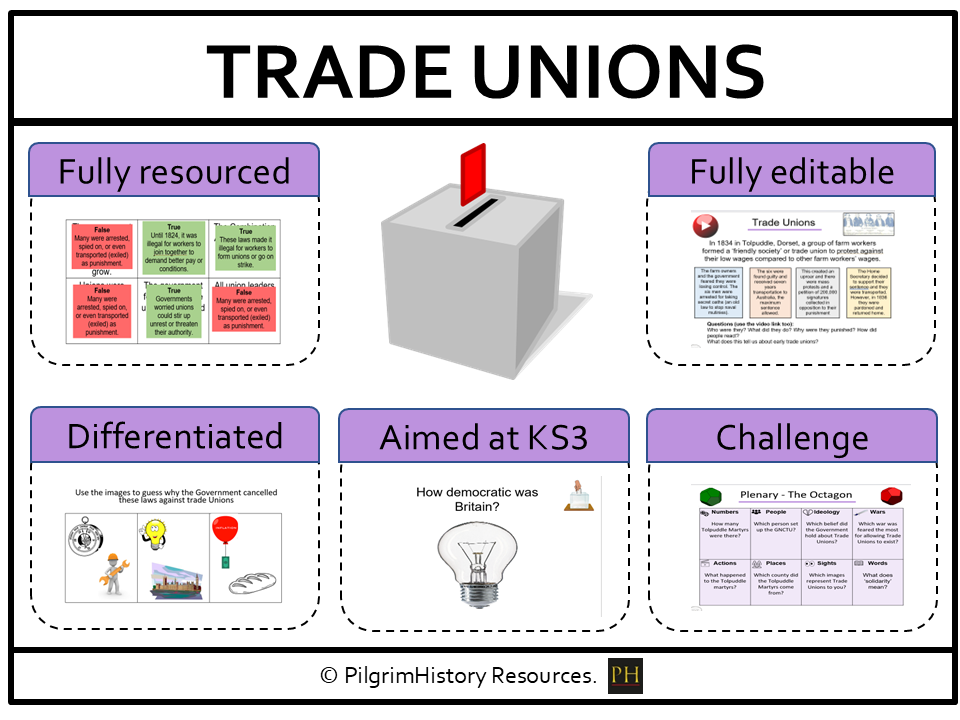
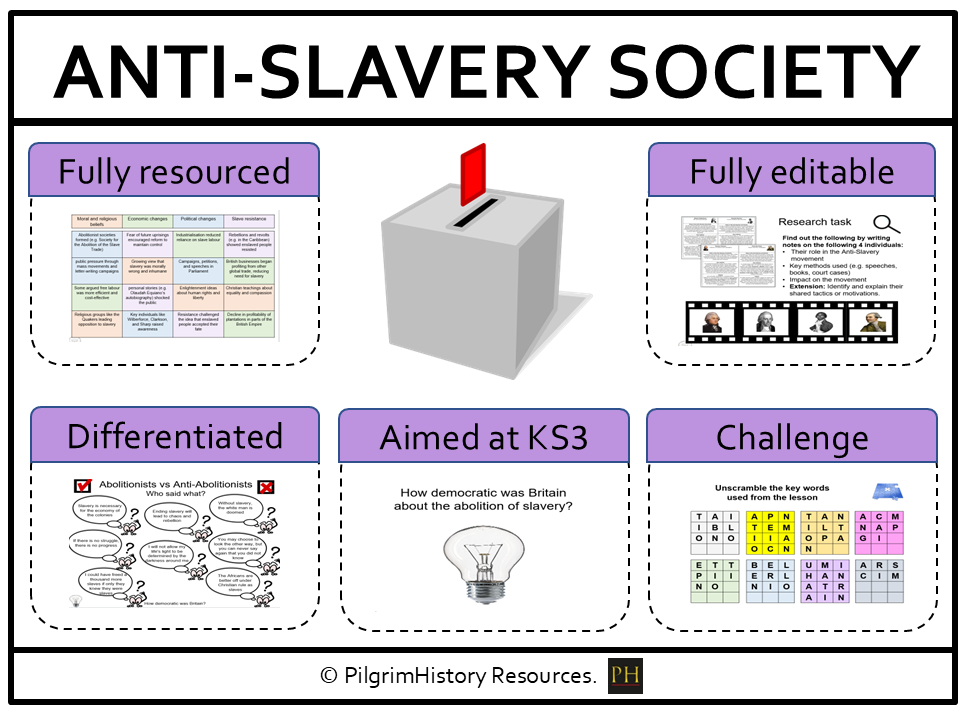
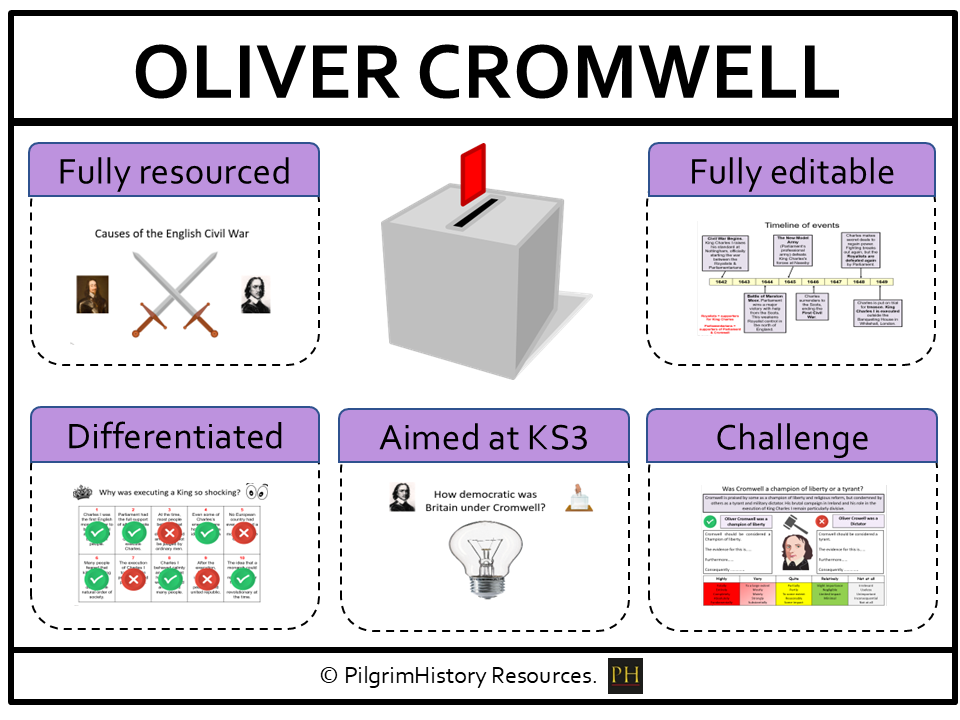
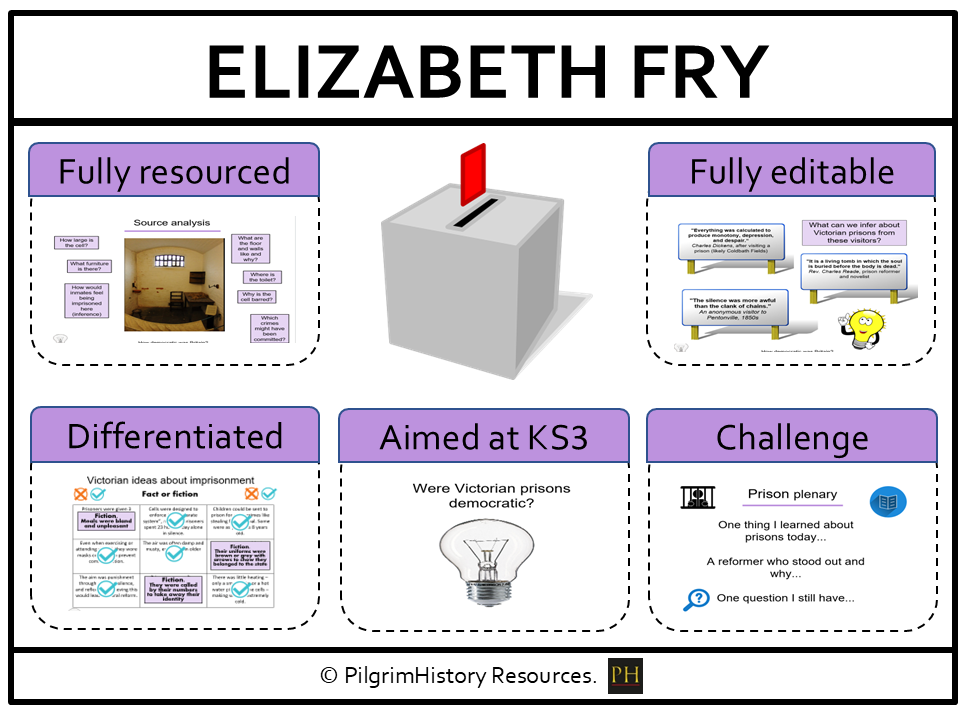
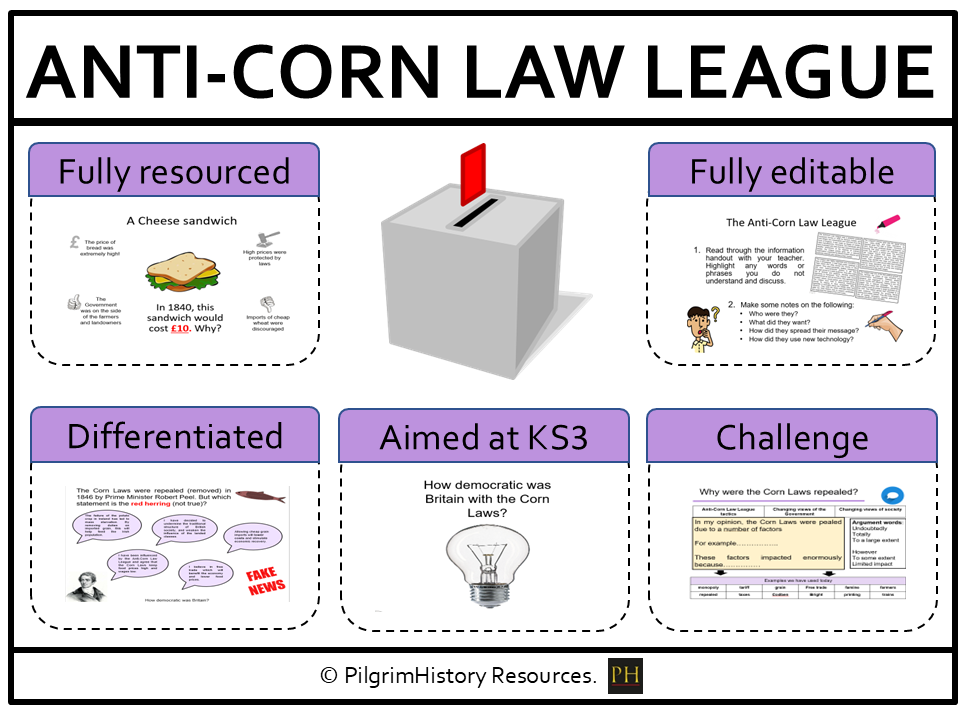
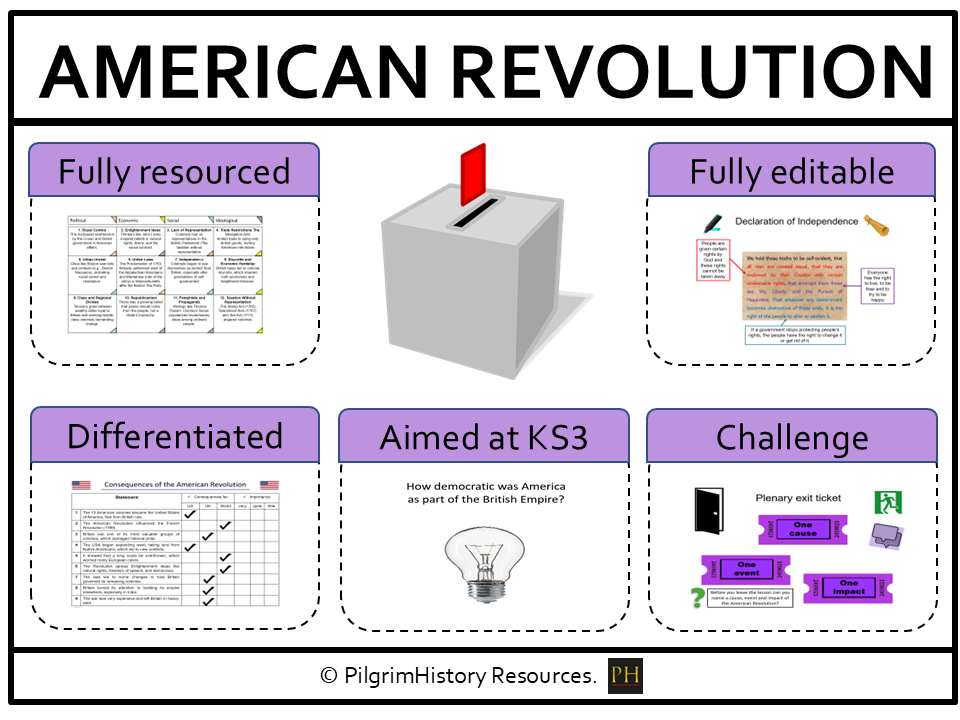
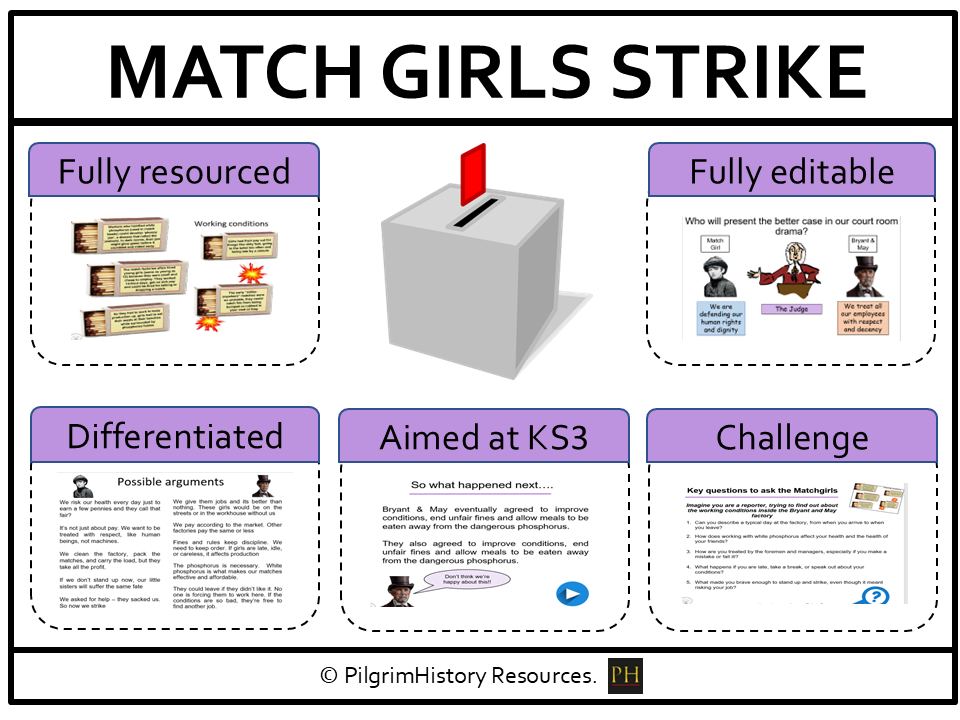
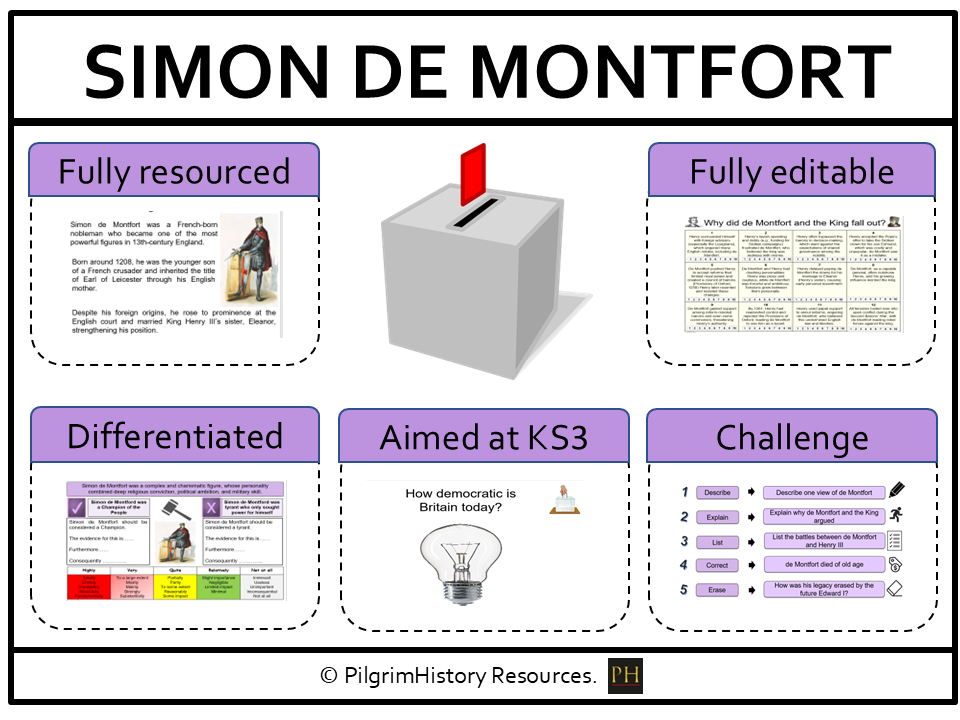
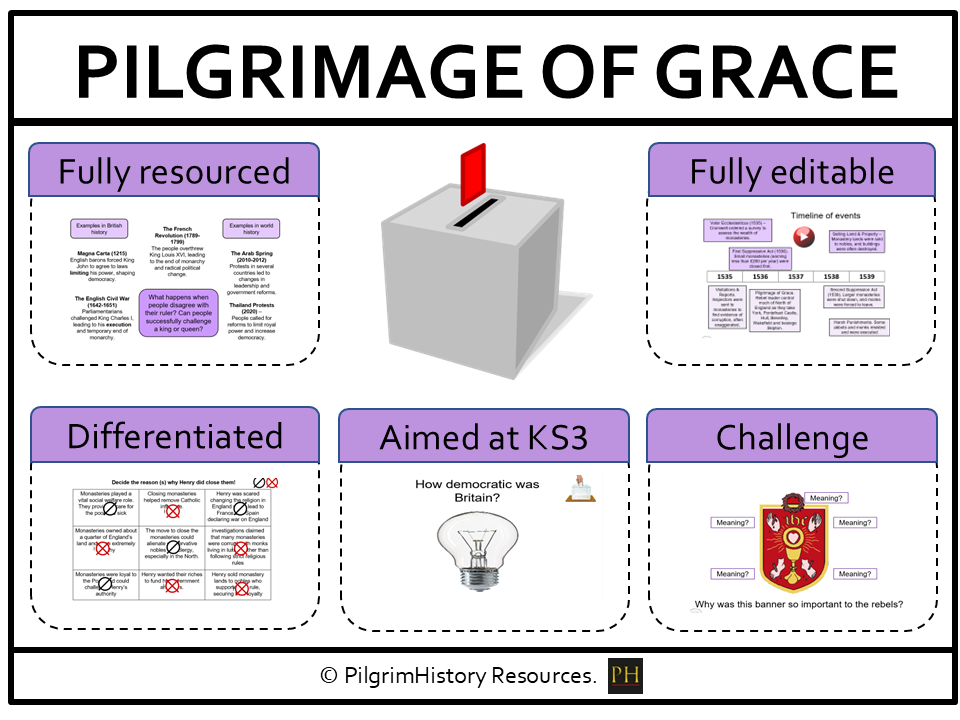
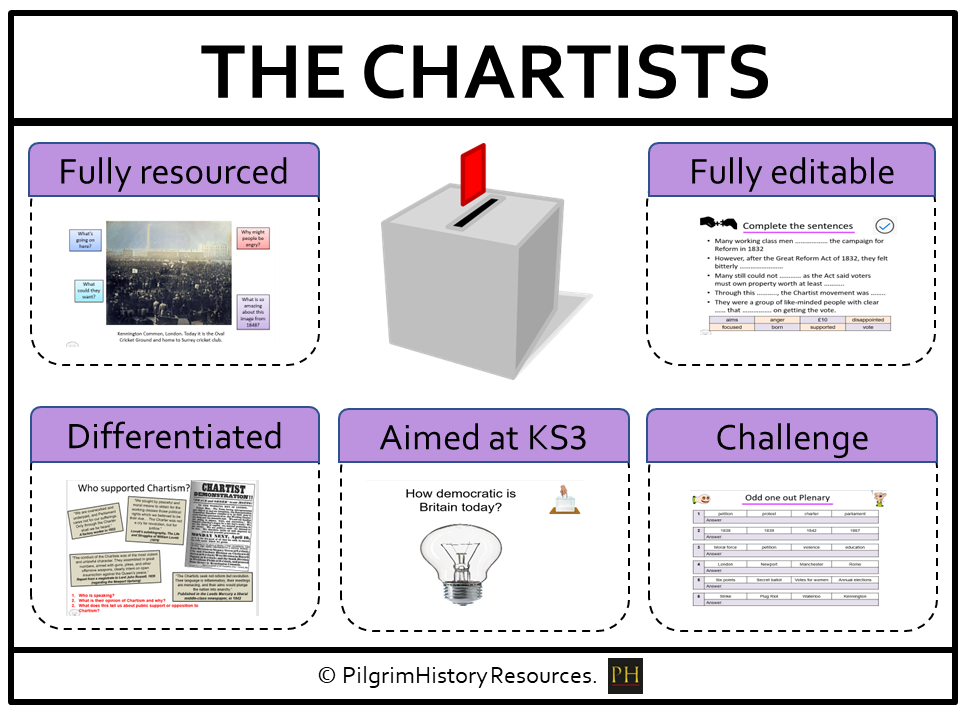
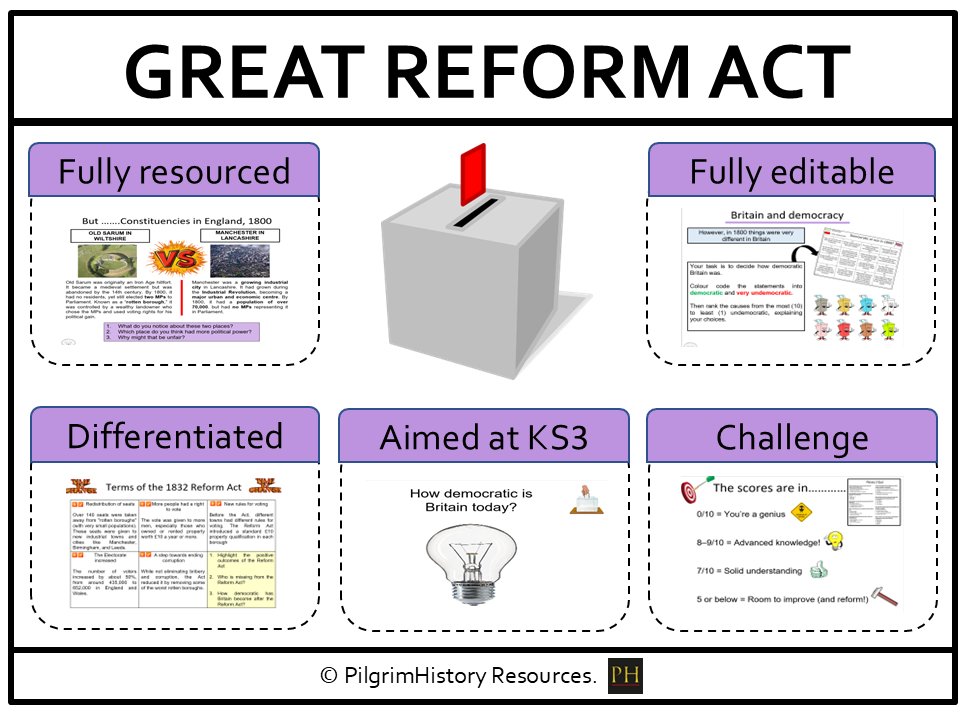
I have created this comprehensive bundle of twelve lessons to support the Key Stage 3 National Curriculum unit on ‘ideas, political power, industry and empire: Britain, 1745–1901’, with a particular focus on the changing nature of political power, protest and reform.
Covering over 800 years of British history, this enquiry-based unit takes students from Simon de Montfort to the General Strike, providing an excellent foundation for GCSE studies of power, monarchy, democracy, protest and social reform.
Throughout the unit, students develop core historical skills including causation, consequence, change and continuity, significance, chronology, source analysis, interpretation and balanced historical judgement.
They investigate why people challenged authority, how governments responded and how protest gradually transformed British society. Along the way they explore religious rebellion, political reform, workers’ rights, prison reform, abolition, democratic change and industrial protest.
The lessons are fully planned, enquiry-based and designed to promote discussion, critical thinking and extended historical writing. Each lesson is fully differentiated, editable and classroom-tested.
This bundle includes:
L1: Simon de Montfort and Parliament
L2: Pilgrimage of Grace
L3: Oliver Cromwell
L4: American Revolution
L5: Elizabeth Fry and Prison Reform
L6: The Anti-Slavery Society
L7: Early Trade Unions (Free Resource)
L8: Great Reform Act, 1832
L9: The Anti-Corn Law League
L10: The Chartists
L11: Matchgirls’ Strike
L12: General Strike,
These lessons have been successfully used and refined within my own History department and are designed to save teachers valuable planning time while delivering engaging, rigorous and enjoyable History lessons.
Please leave a review if you find this bundle useful. Your feedback is greatly appreciated.
Something went wrong, please try again later.
This resource hasn't been reviewed yet
To ensure quality for our reviews, only customers who have purchased this resource can review it
Report this resourceto let us know if it violates our terms and conditions.
Our customer service team will review your report and will be in touch.