KS3 Minecraft Education: Coding Lessons - Computer Science
Resource Bundle




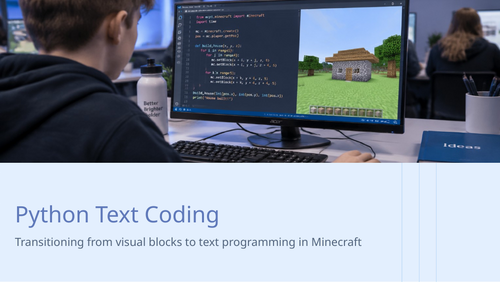
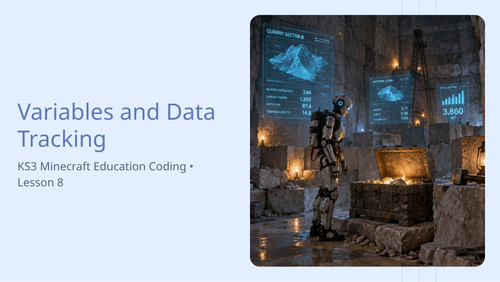
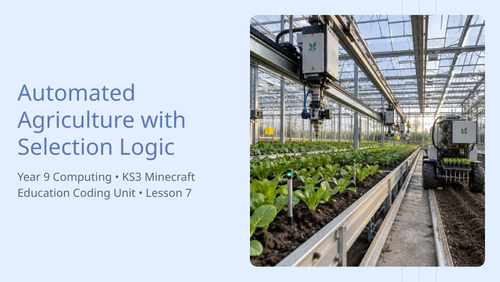
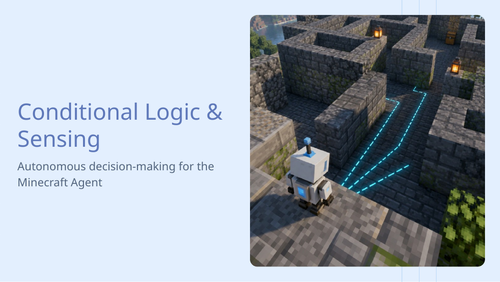
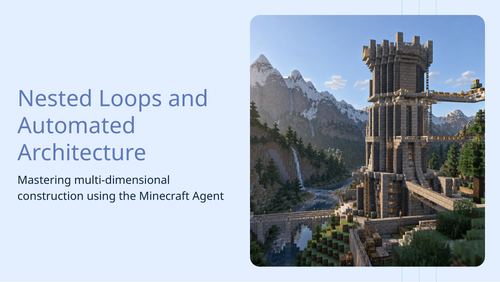
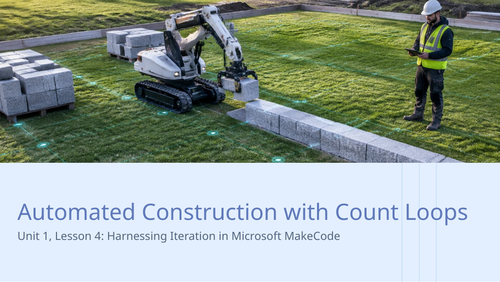
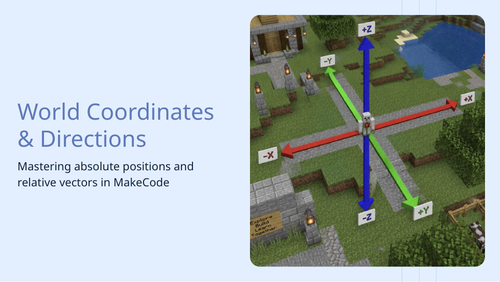
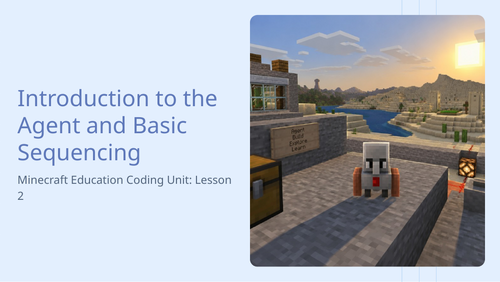
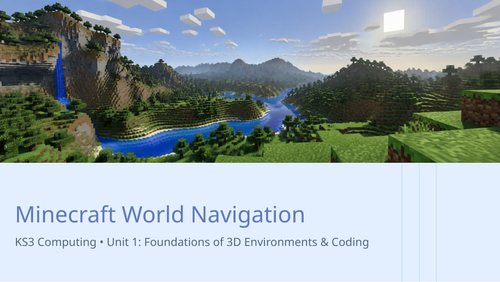
KS2/KS3/Home-Ed/Home-school/Self-study/Computing/Coding/Computer Science
Design, use and evaluate computational abstractions that model the state and behaviour of real-world problems and physical systems
Understand several key algorithms that reflect computational thinking [for example, ones for sorting and searching]; use logical reasoning to compare the utility of alternative algorithms for the same problem
Use two or more programming languages, at least one of which is textual, to solve a variety of computational problems; make appropriate use of data structures [for example, lists, tables or arrays]; design and develop modular programs that use procedures or functions
Undertake creative projects that involve selecting, using, and combining multiple applications, preferably across a range of devices, to achieve challenging goals, including collecting and analysing data and meeting the needs of known users
Create, re-use, revise and re-purpose digital artefacts for a given audience, with attention to trustworthiness, design and usability
Understand a range of ways to use technology safely, respectfully, responsibly and securely, including protecting their online identity and privacy; recognise inappropriate content, contact and conduct and know how to report concerns.
Something went wrong, please try again later.
This resource hasn't been reviewed yet
To ensure quality for our reviews, only customers who have purchased this resource can review it
Report this resourceto let us know if it violates our terms and conditions.
Our customer service team will review your report and will be in touch.