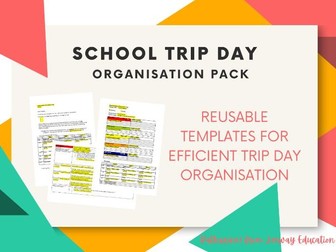
Save time, avoid mistakes and ensure a high-quality, consistent approach to organising your trip days. These templates can be re-used time and again, providing a quick and efficient system and supporting a happy, safe and educational school trip.
This resource includes:
group details sheets
helper introductory letter and timetable for the trip
class teacher summary sheet
Customise the highlighted text in each document for your own class(es) and trip. Fill in the details, print off everything and then make 5 more copies of the introductory letter and timetable. Staple together the letter and a group details sheet for each supporting adult and the teacher summary is for you.
Most of the hard work is done for you, just fill in the details, print, be safe and look good on trip day!
NB this pack does not include a risk assessment which must be completed in line with your school/LA’s policies. Information on medical conditions must be planned for but should not be listed on documents shared with non-school staff due to the GDPR.
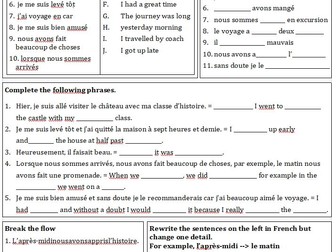
3 double-sided worksheets on the topic of school trips for GCSE using the past and future tenses. These resources will help pupils to talk and write about previous school trips and plans for the future.
Resource 1: Mon dernier voyage scolaire 1 (Vocabulary, grammar, writing)
Resource 2: Mon dernier voyage scolaire 2 (Review of worksheet 1, reading comprehension and grammar practice)
Resource 3: Un voyage scolaire à l’avenir (Future time phrases, key structures, reading and grammar)
Format: Word and .pdf documents with answers.
This document is a comprehensive risk assessment for a 6 day residential trip abroad. It contains 19 pages and is composed of:
General RA
Individual RAs for specific conditions (diabetes, nut allergy, epilepsy, glandular fever, PKU, general and hemiplegic migraines, visual impairment, hypermobilty and thyroid)
EpiPen guide
Hypoglycemia guide
Allergy cards in French
Medical log
A full list of potential issues have been identified and measures suggested to reduce the risks.
PDF version and also editable Word version.
I adapted this resource from the work of 'ali20' to enable my GCSE French group to create a description of a school visit in the past which will feed into their Controlled Assessment on School.
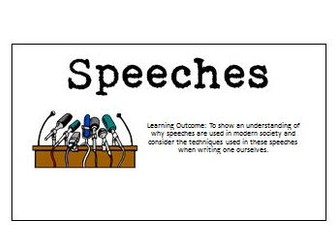
A two lesson scheme of work for Speeches (within the Non-Fiction Reading section of WJEC). This lesson was created for Key Stage 3 students. Perfect to be used towards the end of the year as a speaking and listening activity.
The lessons are based around the idea of presenting a speech to adults persuading them to allow students an enrichment trip. Activities throughout the two lessons allow students to generate ideas collaboratively and independently. Videos are used as a visual stimulus.
The "School Trips Argument Sheets" are best being printed in A3 format.
Additional resources are attached.
Literacy included: Verbs, Imperative Verbs, Persuasive Techniques.
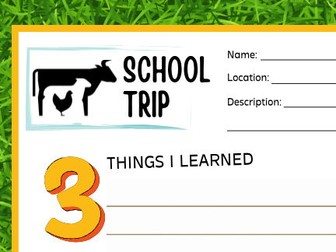
A resource designed for primary students to reflect on an educational trip. This reflection worksheet includes prompts and questions to enable children to revisit ideas and learning from a recent visit.
This worksheet is a colourful resource ideal for forming part of AFL, in-book work or as a display to share the class’ field trip work!
Year 1 School Trip Review
A simple and practical School Trip Review resource designed specifically for Year 1.
This resource is perfect for helping children reflect on their school trip and share their thoughts, experiences and the best parts of the day. It provides an engaging way for children to talk about what they have seen, learned and enjoyed.
Ideal for use after a school trip, this resource can be completed independently, with a partner or as part of a whole class discussion.
Perfect for:
Year 1
Post-trip reflection
Literacy and speaking & listening
Encouraging children’s recall and discussion
Recording children’s experiences
A lovely way to capture children’s thoughts and memories from a special school trip while encouraging them to reflect on their learning and experiences.
Complete quiz used on a school trip to London, with four rounds: London, General Knowledge, English Subject-Specific and a picture round of famous authors. Answer sheets included.
Collection of documents to support teachers when planing school trips abroad.
Planning checklist
Parent information presentation
Parent information presentation booklet
Student activity pack
Two pages of resources describing and giving opinions on school uniform. Fits with EPI teaching. Listening, reading, and writing/translation activities.
I'm about to use this with my class today! We are having an Olympics 2 weeks. The children will be planning their own olympic journey at the end of the week involving flights from somewhere in Europe to London, choosing accomodation, working out prices for event tickets, travel, food etc. This booklet is for the first phase of preparation. It&'s a model of how to go about this type of investigation. We will be using John Nike centre in Bracknell as our location. I will update the resource after reflecting on my lesson later. As always, comments and ideas for development are much appreciated!
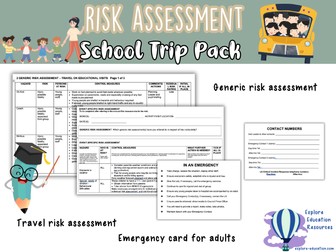
Planning a school trip? Make sure you’re prepared for anything with our comprehensive ‘Travel Safe’ pack! This handy resource helps you think ahead and keep your students safe and sound.
What’s Inside?
★ Detailed General Risk Assessment and Travel Risk Assessment (8 Pages):
A clear and easy-to-use risk assessment templates, covering all the important things to consider before you travel.
Simply highlight the risks that apply to your trip and rate how serious they could be.
Plenty of space to write down your plans for keeping everyone safe.
★ Emergency Contact Cards for Adults:
These cards are perfect for teachers and helpers to carry.
They include space for important contact details, medical information, and emergency procedures.
Give you peace of mind knowing you have all the essential information at your fingertips.
Why This Pack Is Super Helpful:
★ Safety First: Helps you think about potential risks and make sure you’re prepared.
★ Easy to Use: The risk assessment is simple and straightforward, saving you time and stress.
★ Peace of Mind: The emergency cards give you quick access to vital information in case of any problems.
How It Works:
★ Risk Assessment:
Read through the risk assessment pages.
Highlight the risks that could happen on your trip.
Rate how serious each risk could be.
Write down what you’ll do to keep everyone safe.
★ Emergency Cards:
Fill in the emergency contact cards with all the important information.
Give a card to each adult who’s coming on the trip.
Perfect for:
★ School trips
★ Outdoor adventures
★ Any time you’re taking students off school grounds
Make your next trip safe and stress-free!
Made by Ella (@ellalessons) - educator and resource creator.
For Printing
For Interactive Use
For Teachers and Tutors
Check out my other mad libs!
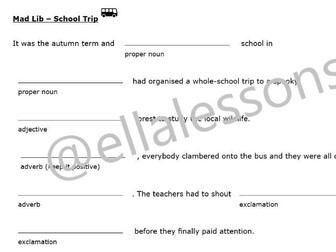
A ‘mad lib’ activity sheet – a funny and entertaining way to practise grammar and word classes
This 5-page English activity is based on the game ‘mad libs’ and encourages students/children to shout out different kinds of words to fill in the gaps in the story!
For best results: don’t show students the story in advance, only ask them for the words. Then the finished story will be a hilarious surprise!
These always go down so well and encourage children to practise word classes without them even realising.
They are reusable as words can be filled in again and again! (Particularly on the interactive version.)
The pages consist of:
Printed version of the story
Interactive/online-use version of the same story
Useful information about the different word classes and how to fill in the gaps!
Suitable for KS1, KS2 or KS3 – in general the children themselves set the difficulty depending on the words they want to come up with!
Optimised for Microsoft Word.
Covers the following skills:
Grammar
Word classes
Adjectives, Nouns, Adverbs, Verbs and more!
Year group: KS1, KS2 or KS3
Topic: Word classes
No. of pages: 5
Answers: N/A
Always Dyslexia-Friendly!
Clear, uniform spacing as far as possible
Any/all images used are copyright-free – sourced from Unsplash
Thanks for downloading!
This is a photo quiz to give the students a bit of fun on a day trip to France and to ensure that they are a little more observant than they would otherwise be! Can easily be adapted for your trip.
A 4 page booklet on school trips and activities, including key vocabulary, reading practice, translation both ways, revising key tenses and a 80-90 words writing task on this topic. This resources will support pupils to speak and write confidently about school activities and trips in all three key tenses.
Format: Word and pdf documents with answers.
A pack of flashcard size visuals for using widgit symbols for a school day timetable. In my SEN classroom I velcro them and have a long strip of velcro next to my IWB so as the lessons finish we can take them down and students have a visual reference as to where in the day we are.
Visuals included are:
-English
-Maths
-Science
-Reading
-Assembly
-Circle Time x2
-PE
-Humanities
-Music
-Forest School
-Horticulture
-PSHE
-DT
-Cookery
-Play Time
-Lunch
-Home Time
-Art
-Drama
-Reward Time
-Form Time x3
-Visitor
-Trip
-RE
-Geography
-International Day
-Meeting
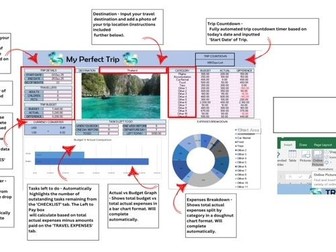
All in one travel planner for teachers planning school trips or residential visits! All fully automated, just input your info. Also looks great. Link to how to use it is below.
Includes:-
Budget Planner
Graphs to show spending
Countdown to holiday
Currency Converter
Time planner
Reservations and Planner spreadsheet
Video to guide you through the process
I’ve included as a bonus luggage labels and a printable packing list too :)
Link to video guide will be sent on purchase (TES won’t allow external links here)
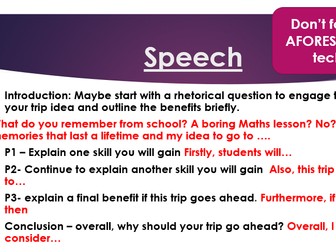
A lesson about speeches and persuasive techniques.
Students must write a persuasive speech to the head teacher about why they should go. There is a speech structure guide, examples of each persuasive technique and an example speech for students to use as a model.
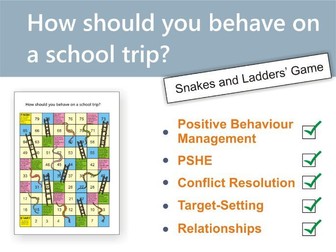
Snakes and Ladders’ Games for Positive Behaviour Management and PHSE:
with editable Target-Setting proformas in Microsoft Word.
(Format: A3 COLOUR/ / A4 COLOUR / GREYSCALE)
This game is one of a set of 11 different games, also offered in the Shop as “a bundle”.
Each game is designed in the familiar format of a “snakes and ladders” game but the squares also have descriptions of situations and behaviours which typically occur in all classrooms and playgrounds. The ladders’ squares describe positive behaviours, and the snakes’ squares have descriptions of behaviours which negatively affect learning and relationships. The titles of the full set are listed below:
How do you deal with angry feelings?
What is “Bullying”?
Bullying - How do you deal with it?
Are you a good friend?
How do you behave in class?
Do you follow the School’s Code of Conduct?
Do you look after your environment?
Do you work well in a group?
Are you well-organised for the school day?
How should you behave on a school trip?
Do you try to work hard at school?
The games have been successful as a springboard for target-setting at KS2 and the early years of KS3. When laminated, they provide a permanent resource for your class and for future year groups. The statements in the games promote discussion which facilitates a focussed but non-judgemental approach to target-setting.
The teacher/mentor chooses one or more of the games relating to difficulties that are pertinent to an individual or group. The student/s agree on the targets that they are confident to be able to achieve. The games which focus on friendship, anger management and bullying have also proven useful following incidents of conflict between individuals.
The class plays a game, or different games, in pairs. If they play different games, the pairs can rotate and move on to another game. The teacher calls the class together for discussion with the most important targets agreed upon. Games can be chosen according to issues that need to be addressed. We have included editable Target Charts for whole class/groups and individuals., where teacher or students can type in the agreed targets which are ideally expressed in positive language.
NB: The teacher MUST establish a rule at the beginning that no-one’s name should be mentioned when discussing behaviours. Their contributions can be written by the teacher on the “board” using the template provided in the worksheet section.
We have provided examples of responses you might expect.
We have also provided a worksheet which students could complete at home, or in a small group, where they have privacy to write their responses. Again, the “No Names” rule should apply. The teacher can then review these statements, see which issues are identified by the majority of students, and then establish whole class targets.
The games have also been successful in lunch-time Games Clubs., and in “workshop” settings as part of a day focussing on Bullying and Friendship.


 Quick View